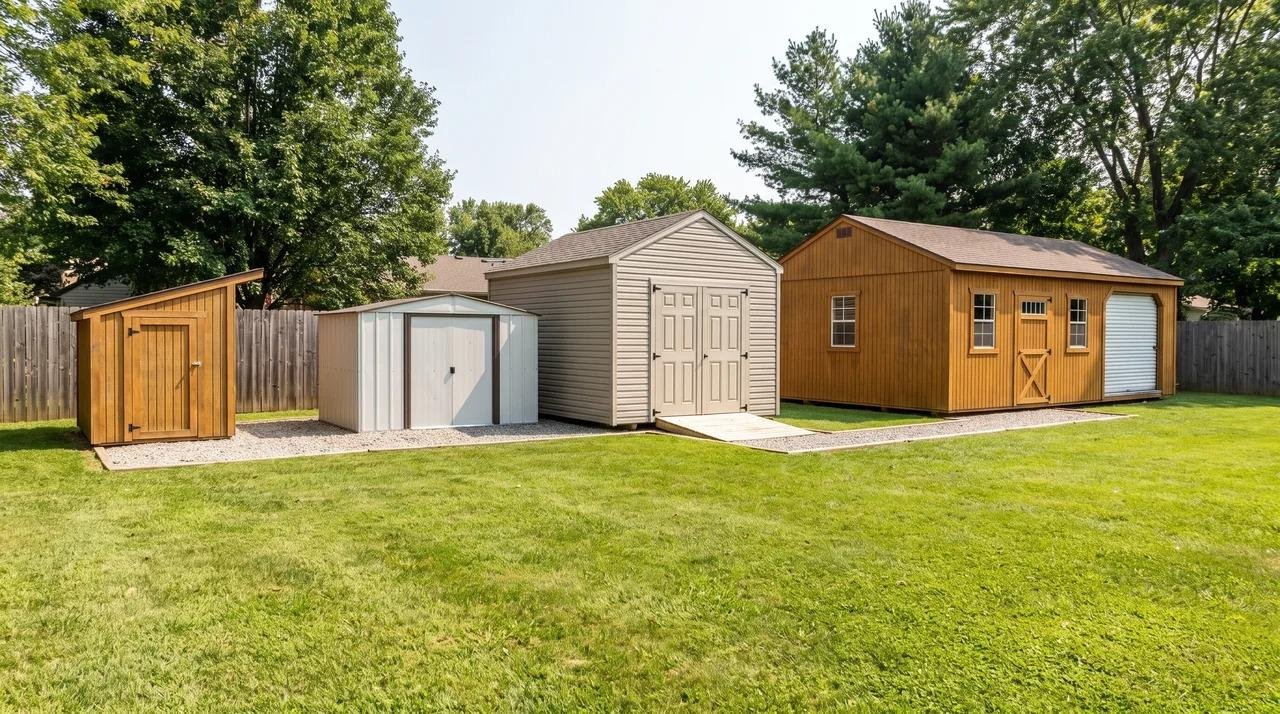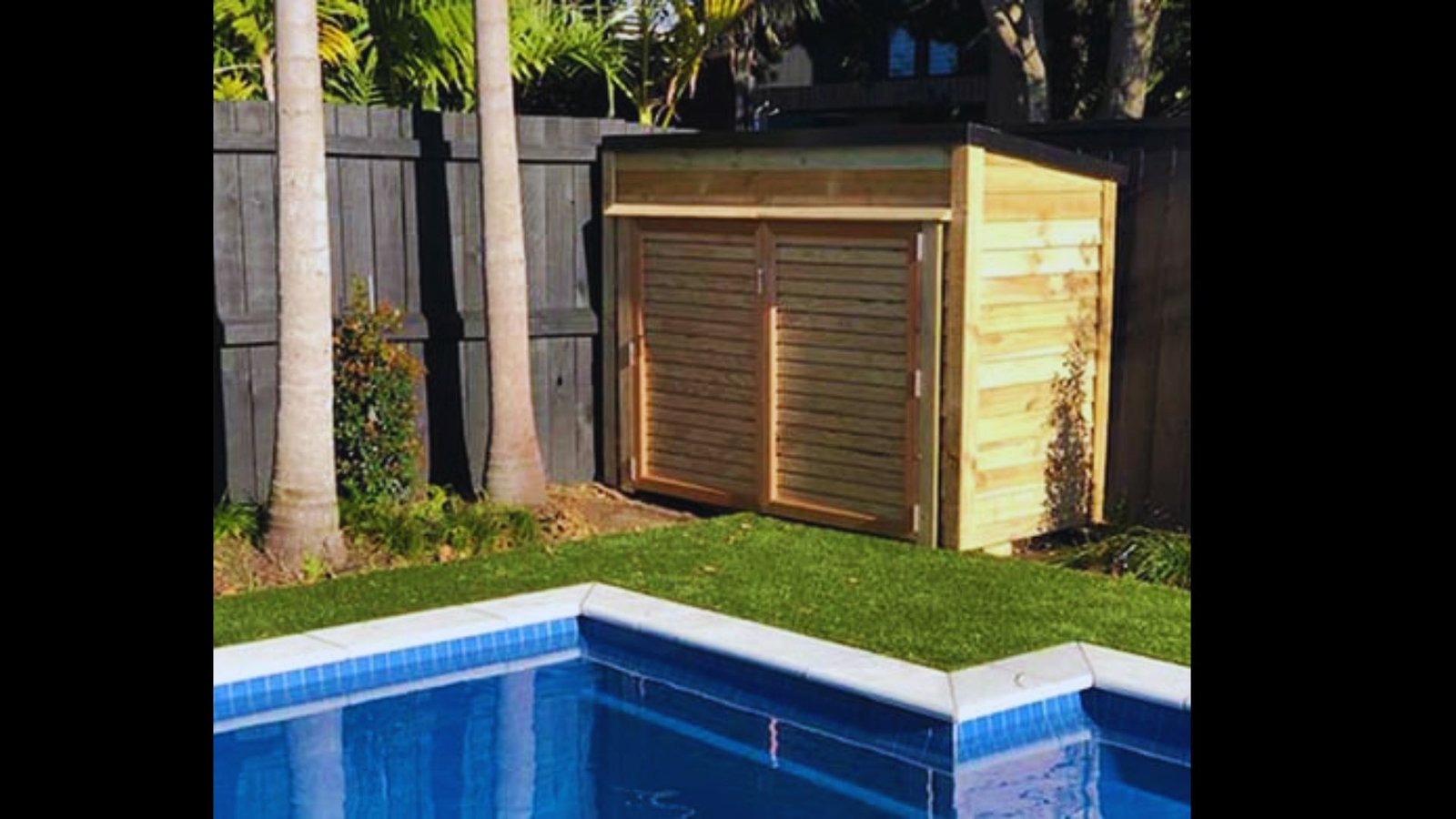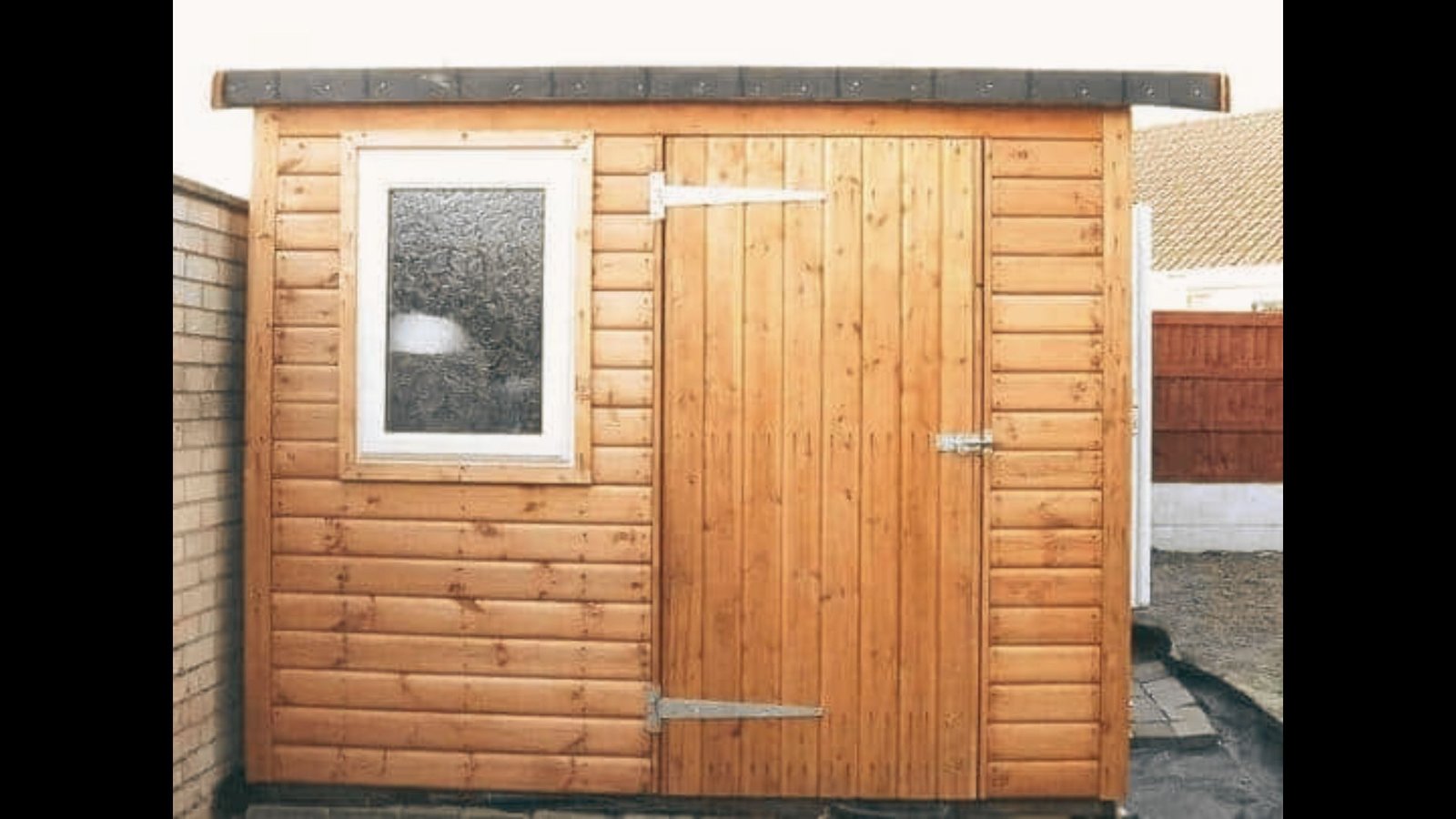
Not sure whether your backyard actually needs a shed or a full garage?
You're weighing two very different structures, and picking the wrong one can mean wasted money or a space that doesn't fit your needs.
This guide compares shed vs garage side by side, covering size, cost, and durability, so you can figure out exactly which structure makes sense for your property.
Shed vs Garage: What's the Difference?
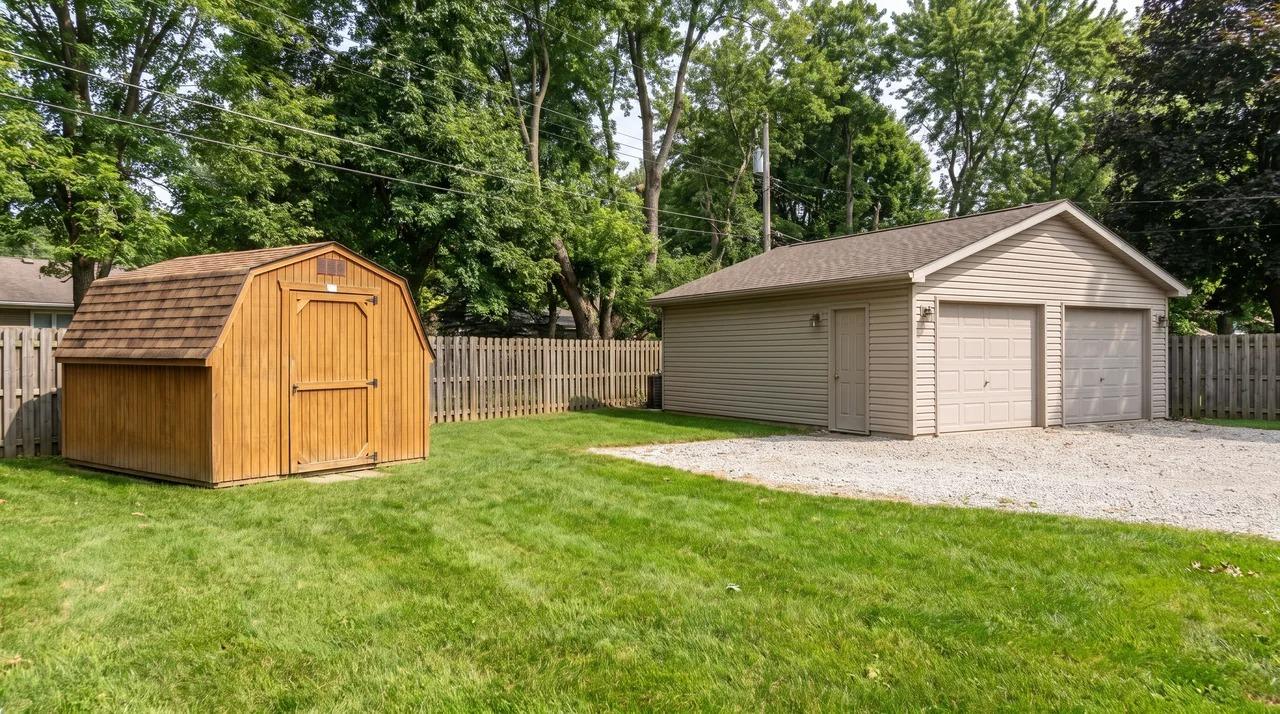
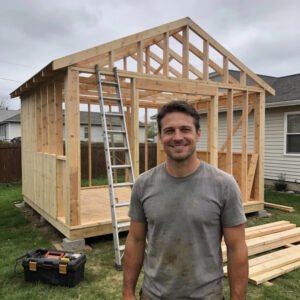
A shed is a small, standalone structure built mainly for storage, usually without insulation, electrical wiring, or a foundation strong enough to support a vehicle.
A garage is a larger, more permanent structure designed to hold at least one car, often built with a solid foundation, insulation, and sometimes electricity or plumbing.
The biggest difference comes down to purpose and construction: a shed handles overflow storage and light outdoor projects, while a garage protects vehicles and supports heavier, longer-term use.
Once you understand that core difference, most other decisions in the shed vs garage comparison become much easier to make.
Shed vs Garage Comparison
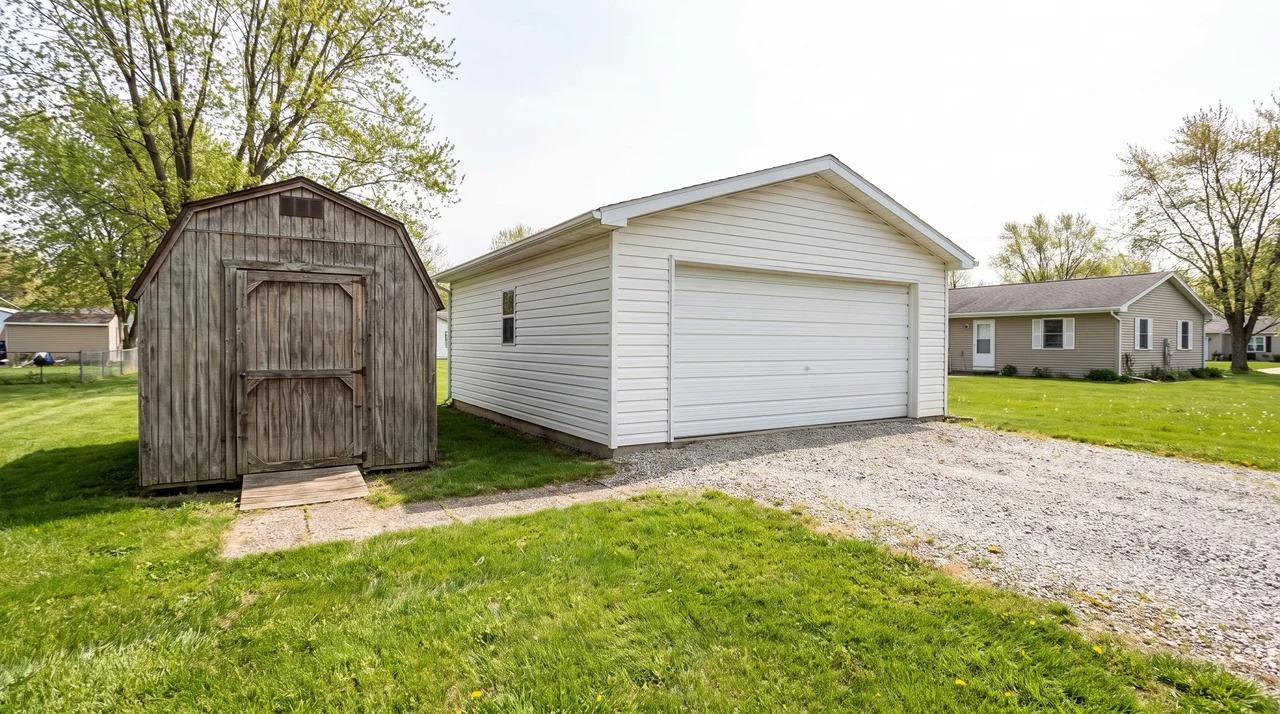
Looking at these structures side by side makes the practical differences much clearer.
Size and storage space
Sheds typically range from 60 to 200 square feet, enough for tools, lawn equipment, and seasonal items.
Garages usually start around 200 square feet for a single car and go up from there, giving you far more room for storage plus vehicle space.
Vehicle storage
Sheds aren't built to hold cars. Their foundations and door sizes usually can't support vehicle weight or access.
Garages are built specifically with vehicles in mind, with reinforced flooring and doors sized for cars, trucks, or even boats.
Construction and durability
Sheds are often built with lighter materials like thin wood panels or resin, since they don't need to support much weight, and wood sheds usually sit on a simple gravel foundation.
Garages use stronger materials like poured concrete, block, or framed lumber with a proper foundation, making them more durable over time.
Metal sheds and metal garages tend to outlast their wood counterparts, standing up better to weather and pests over the years.
Security
Most sheds come with basic latches or simple locks, which offer limited protection.
Garages typically include solid doors, sometimes with automatic openers, and better overall security for higher value items like vehicles or tools.
Utilities and insulation
Sheds rarely include insulation, electricity, or plumbing unless specifically upgraded. If you want those upgrades, this guide to finishing a shed interior shows what is involved.
Garages more commonly include at least basic electrical wiring, and some are insulated or heated, especially if used as a workshop or extra living space.
Accessibility
Sheds are usually accessed through a single door and sit apart from the house, which can mean walking outside in bad weather.
Garages, especially attached ones, often connect directly to the home for easier year-round access, and many include a secondary side door for entry if the main garage door is ever locked or malfunctioning.
Maintenance
Sheds generally need less upkeep due to their smaller size and simpler construction, though wood sheds still need occasional weatherproofing.
Garages require more maintenance over time, including door mechanisms, foundation care, and roof upkeep.
Property value
A garage typically adds more resale value than a shed, since buyers place a premium on covered vehicle storage, though converting that garage space and removing parking can sometimes reduce resale value instead of adding to it.
A shed can still add some value, particularly if it's well built and matches the style of the home.
Pros and Cons of a Shed and garage
| Shed | Garage | |
| Advantages | Lower cost, takes less space, and works well for tools and outdoor storage. | Protects vehicles, adds property value, and provides extra storage or workspace. |
| Disadvantages | Not suitable for vehicles, limited weather protection, and less storage space. | Higher cost, needs more space, and often requires permits and a foundation. |
Cost Comparison
| Factor | Shed | Garage |
| Cost | Usually $1,500–$5,000 | Usually $15,000–$40,000+ |
| Installation | Faster and simpler to build | Requires foundation, framing, electrical work, and more construction |
| Maintenance | Occasional painting or sealing | May require roof, door, and structural repairs |
| Long-Term Value | Practical for basic storage | Adds more usable space and property value |
Which Should You Choose?
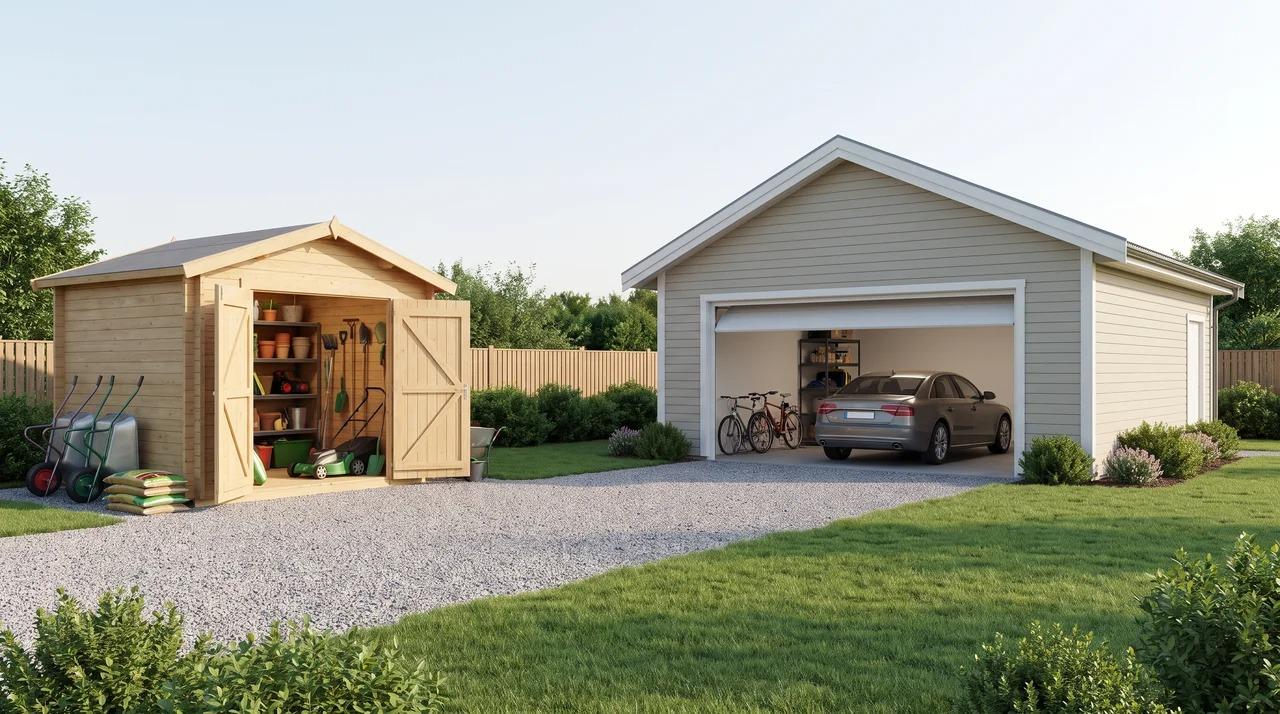
The right choice depends on how you plan to use the space.
A shed is a good option if you need extra storage for tools, outdoor equipment, or seasonal items, have a smaller budget, and do not need space for a vehicle.
A garage is a better choice if you want to protect one or more vehicles, need additional storage or workspace, and are prepared for the higher cost and maintenance that come with a larger structure.
Factors to Consider Before Choosing
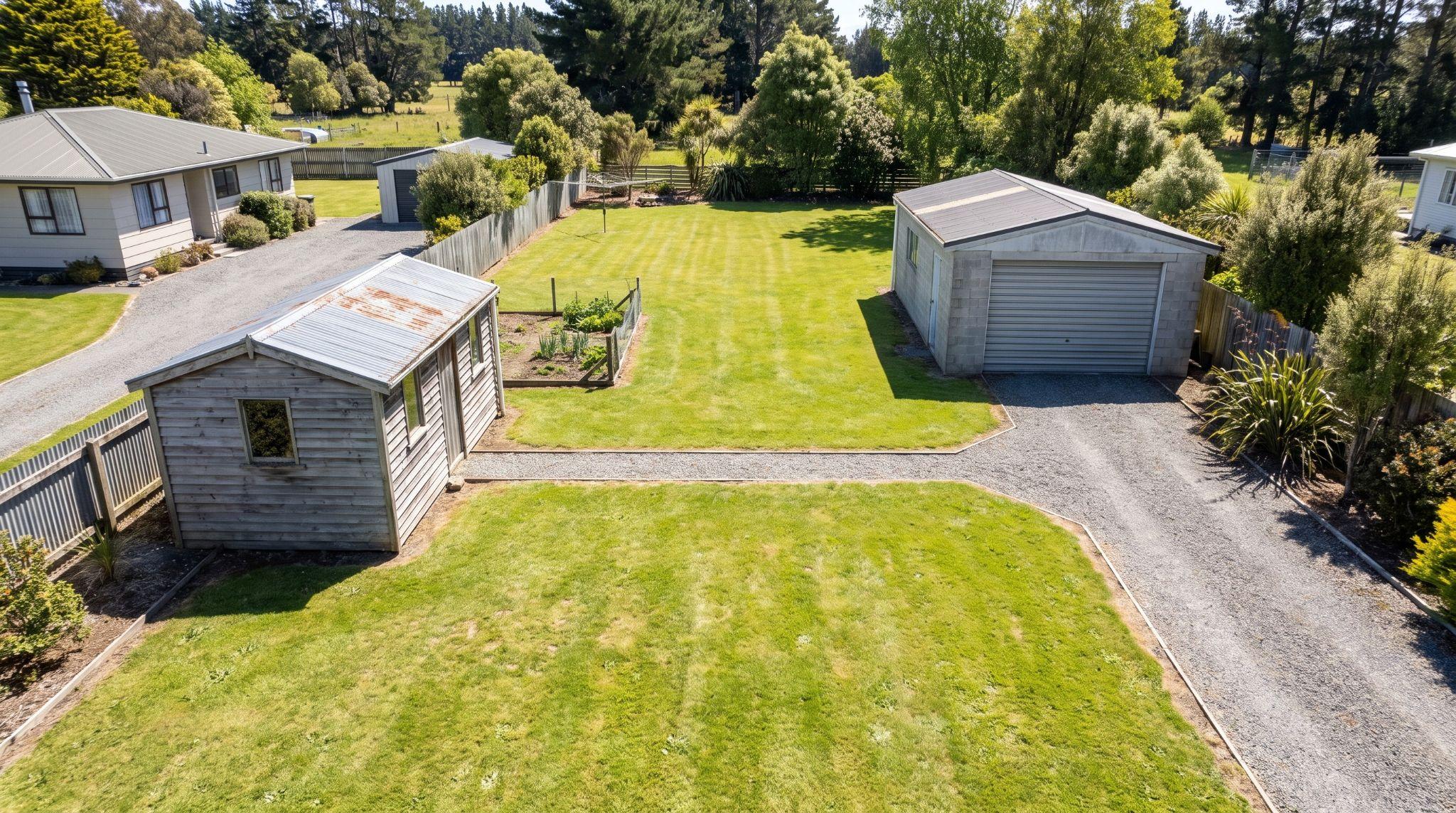
A few practical factors can make the choice between a shed and a garage much easier.
Start by measuring your available space, since a garage requires more room and must meet local setback requirements.
Your budget also plays an important role, as garages cost considerably more to build and maintain than sheds.
Check local building regulations before starting, because garages usually require permits, while smaller sheds may not, depending on local codes. If a shed is your pick, see whether you need a permit to build a shed where you live.
Think about your future storage needs as well. If you expect to own another vehicle or need extra workspace later, a garage may be the better fit.
Climate also matters, as a garage offers greater protection during harsh weather and can be insulated, while a shed is generally better suited for storing weather-resistant items.
Key Takeaway
Deciding between a shed vs garage really comes down to what you need the space to do. Once you've thought through your space, budget, and future needs, the right choice usually becomes clear.
Try mapping out your own priorities using this guide before you commit to either option.
If it helped, share it with a friend making the same decision, or leave a comment with what you ended up choosing.
Frequently Asked Questions
Can a shed be converted into a garage later on?
It's possible, but usually requires reinforcing the foundation and widening the entry, which often costs more than building a proper garage from scratch.
Do sheds and garages affect home insurance differently?
Yes, garages typically raise insurance coverage needs due to higher value contents like vehicles, while sheds usually require only minor policy adjustments.
Can a shed be built close to a property line, unlike a garage?
Often yes, since many areas allow smaller setback distances for sheds under a certain size, while garages usually face stricter placement rules.
Is a carport a middle option between a shed and a garage?
Yes, a carport offers vehicle cover without full walls or security, landing between a shed's basic storage and a garage's full protection.