Choosing the best material for raised garden beds can feel confusing with so many options available. Wood, metal, stone, fabric, and composite materials all have different strengths, costs, and lifespans.
The right choice can affect how long your garden bed lasts, how much maintenance it needs, and how well your plants grow.
This guide compares the most popular materials, explains their pros and cons, and helps you find the best fit for your budget, climate, and gardening goals.
The recommendations are based on practical gardening advice and common factors that experienced gardeners consider when building raised beds.
What Is the Best Material for Raised Garden Beds?
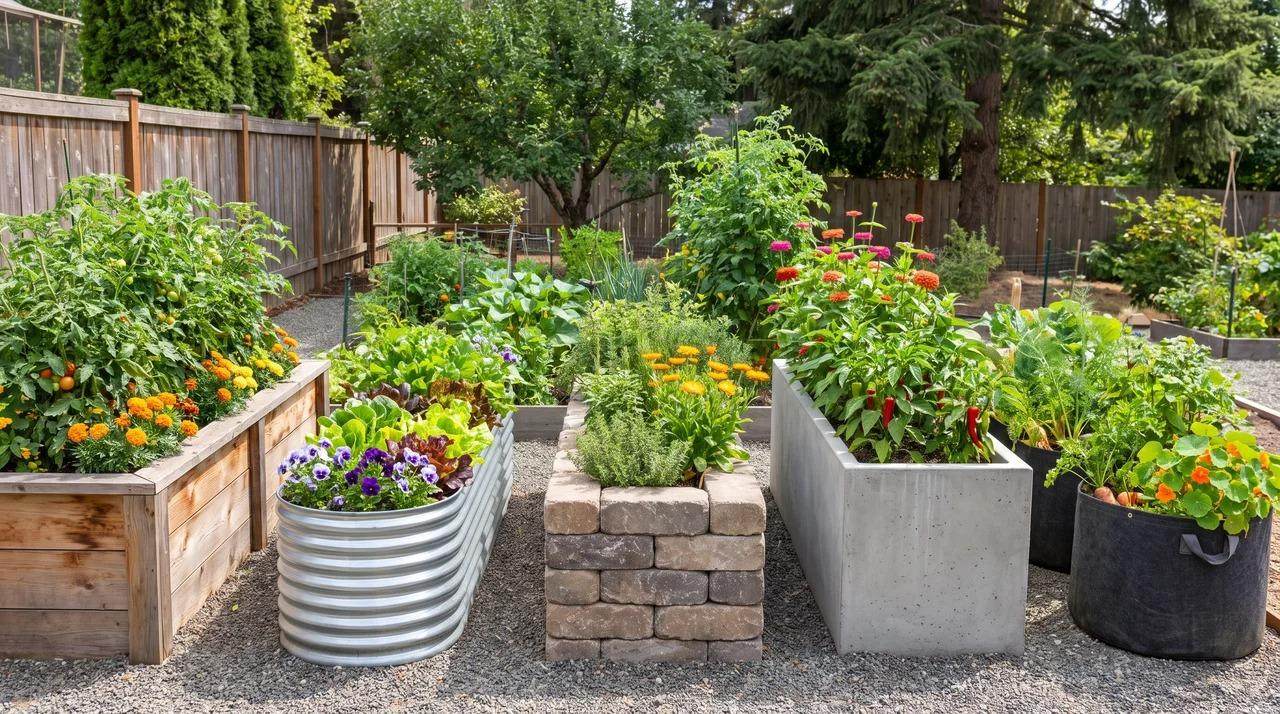
Finding out the best material for raised garden beds depends on your gardening goals because there is no single option that works for everyone.
The right material should match your budget, local climate, preferred appearance, expected lifespan, and the types of plants you want to grow.
For example, cedar and redwood are popular for their natural resistance to rot, while galvanized steel offers excellent durability with little maintenance.
Stone and concrete create permanent garden beds, and fabric works well for small spaces or temporary setups.
By comparing each material carefully, you can select one that provides good value, supports healthy plant growth, and suits your outdoor space for years to come.
Factors to Consider Before Choosing a Raised Garden Bed Material
Choosing the best material for raised garden beds starts with understanding what matters most for your garden. Every material offers different benefits, so comparing them before you build can save money and reduce future maintenance.
- Budget: Decide how much you want to spend. Materials like untreated pine cost less, while cedar, redwood, and galvanized steel require a higher upfront investment.
- Durability: Consider how long you want the raised bed to last. Some materials can serve you for decades, while others may need replacement within a few years.
- Climate: Think about your local weather. Wet areas need rot-resistant materials, while hot regions benefit from options that handle heat without breaking down.
- Food Safety: Choose materials that are safe for growing vegetables and herbs. Avoid products that may contain harmful chemicals or unknown treatments.
- Maintenance: Some raised beds need regular sealing or repairs, while others require very little upkeep over their lifespan.
- Appearance: Pick a material that matches your outdoor space and blends well with your landscaping style.
Taking a few minutes to compare these factors will help you choose a raised garden bed material that fits your gardening goals, budget, and long-term needs.
Best Material for Raised Garden Beds
The best material for raised garden beds depends on your budget, climate, maintenance preferences, and how long you want the bed to last. Below is a closer look at the most popular materials to help you choose the right one for your garden.
1.Cedar
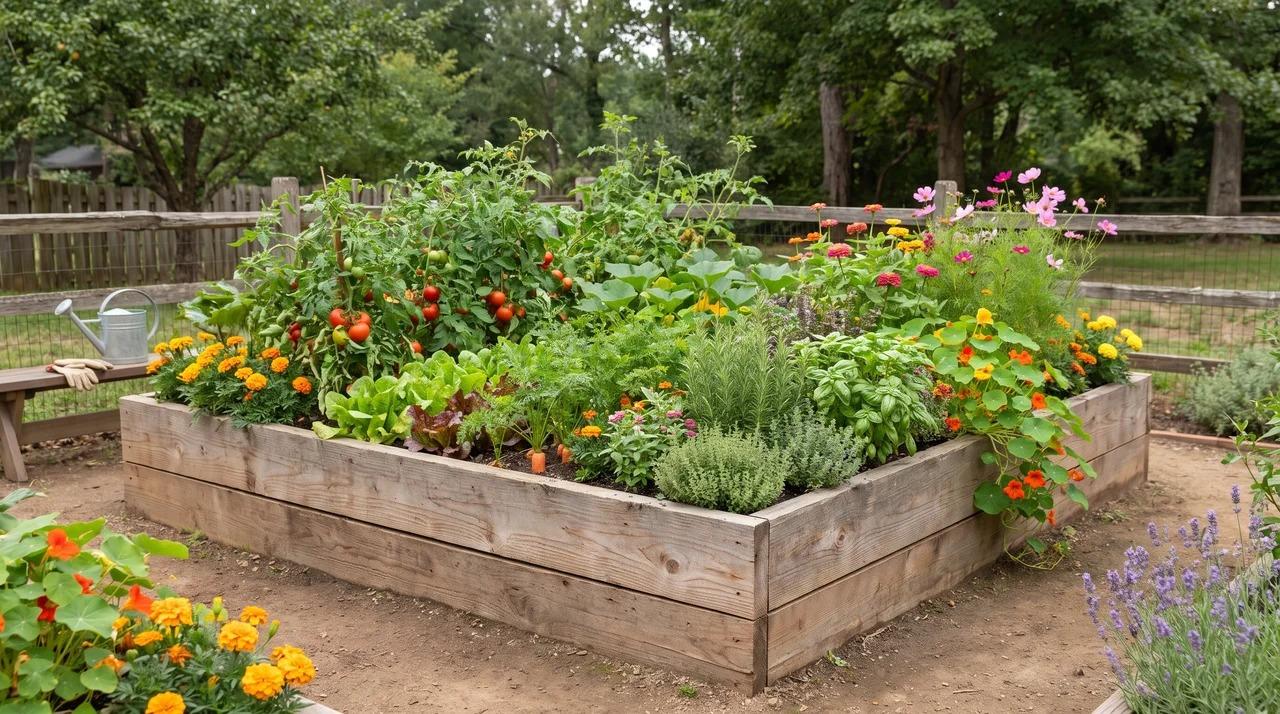
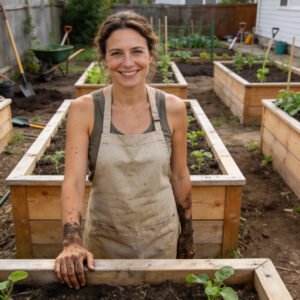
Cedar is one of the most popular choices for raised garden beds because it naturally resists rot and insects without chemical treatments. It also gives gardens a warm, natural appearance.
Lifespan: 10–15 yearsCost: HighBest for: Organic vegetable gardens, backyard gardens, and gardeners looking for long-lasting natural wood.
Cedar requires very little maintenance and usually does not need sealing. Its biggest drawback is the higher upfront cost compared to other wood options.
2.Redwood
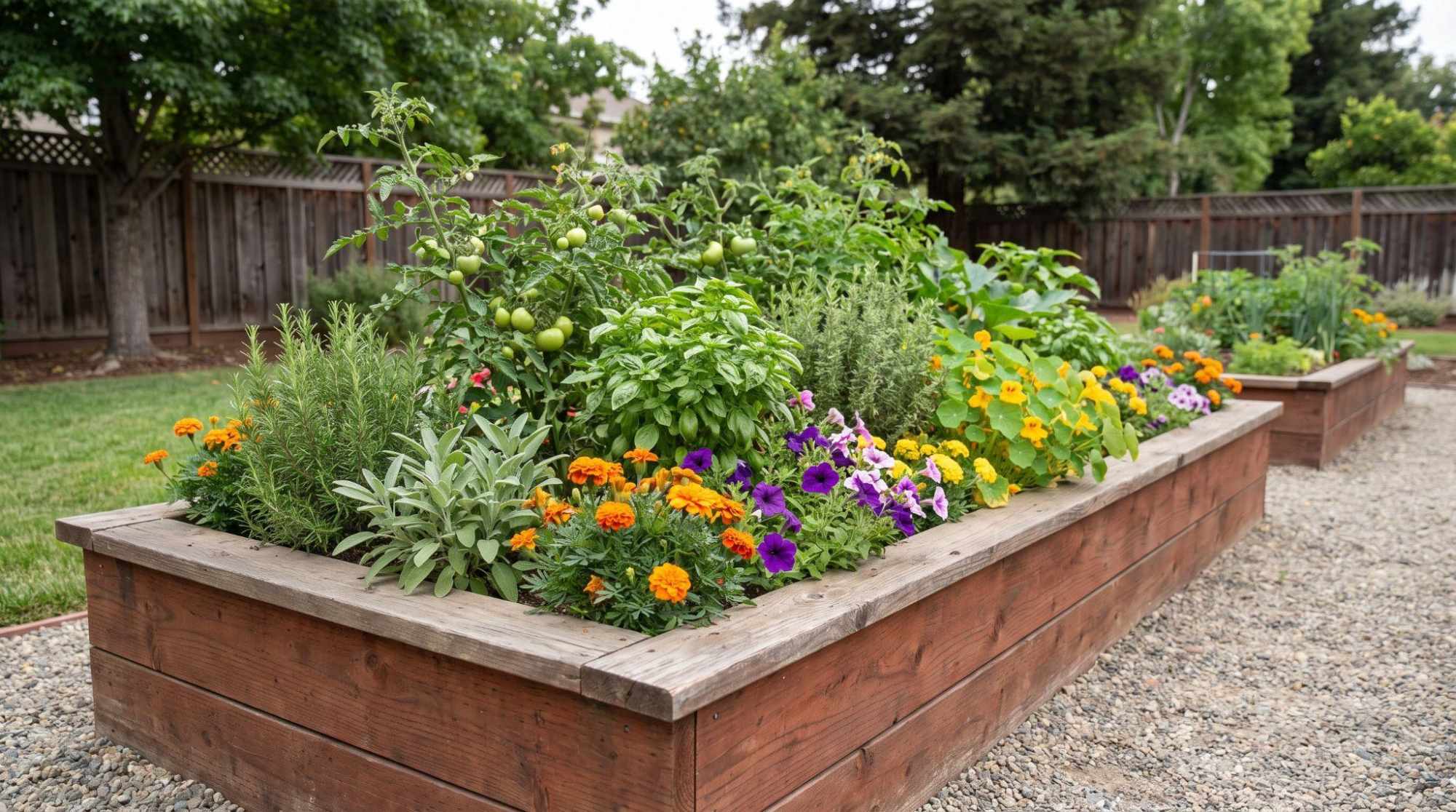
Redwood is a premium hardwood known for its strength, attractive color, and natural resistance to moisture, decay, and insects.
Lifespan: 15–20 yearsCost: High to very highBest for: Long-term gardens, decorative landscapes, and premium raised bed projects.
Maintenance is minimal because the wood ages well outdoors. The main drawback is that redwood can be expensive and may not be readily available in every region.
3.Galvanized Steel
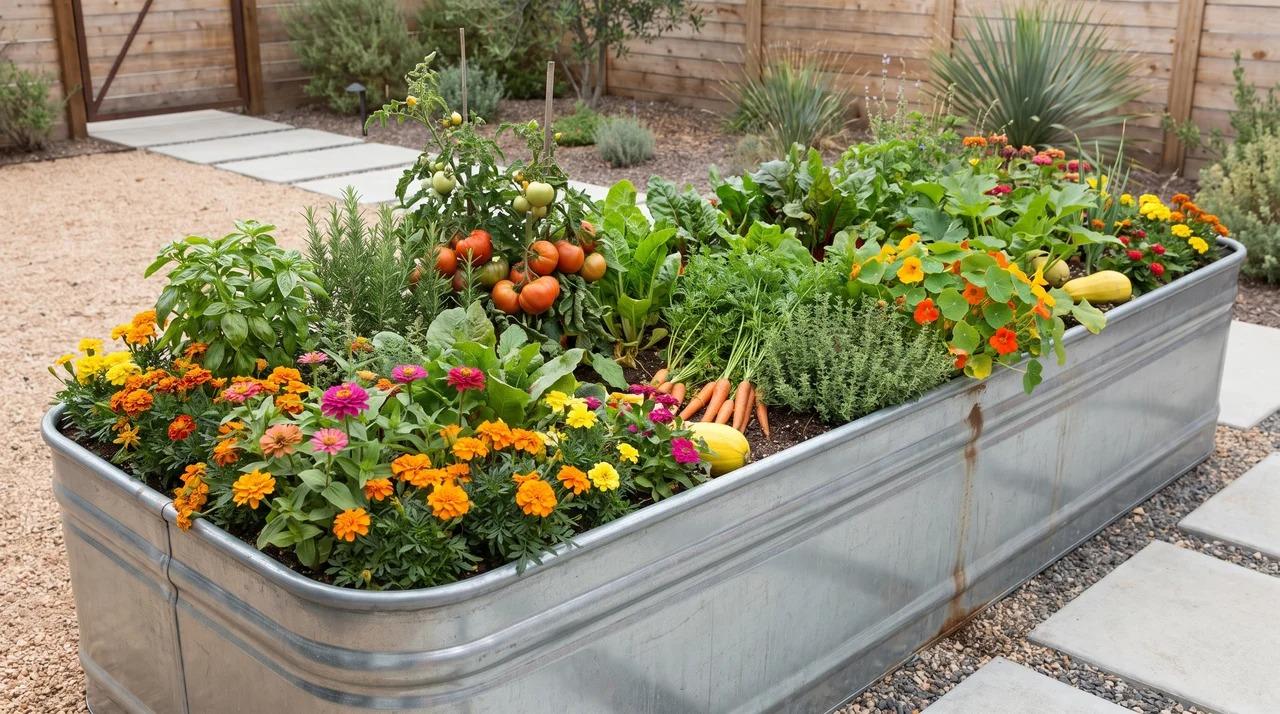
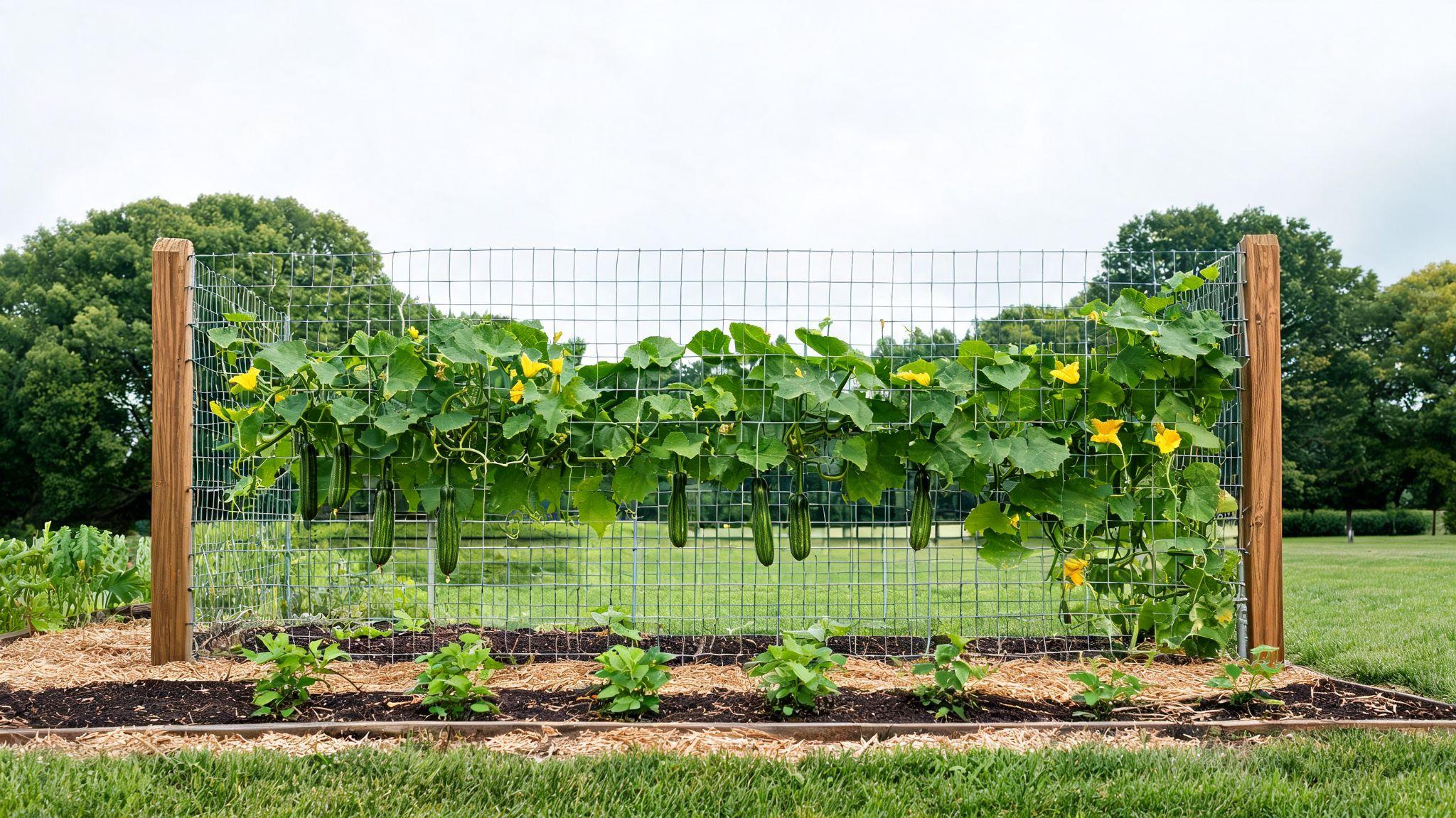
Galvanized steel raised beds are highly durable and resistant to rot, pests, and harsh weather. They also offer a clean, modern appearance.
Lifespan: 20–30+ yearsCost: Medium to highBest for: Low-maintenance gardens, modern landscapes, and areas with frequent moisture.
Steel requires almost no maintenance besides occasional cleaning. The main drawback is that it can warm up faster than wood during very hot summers.
4.Stone
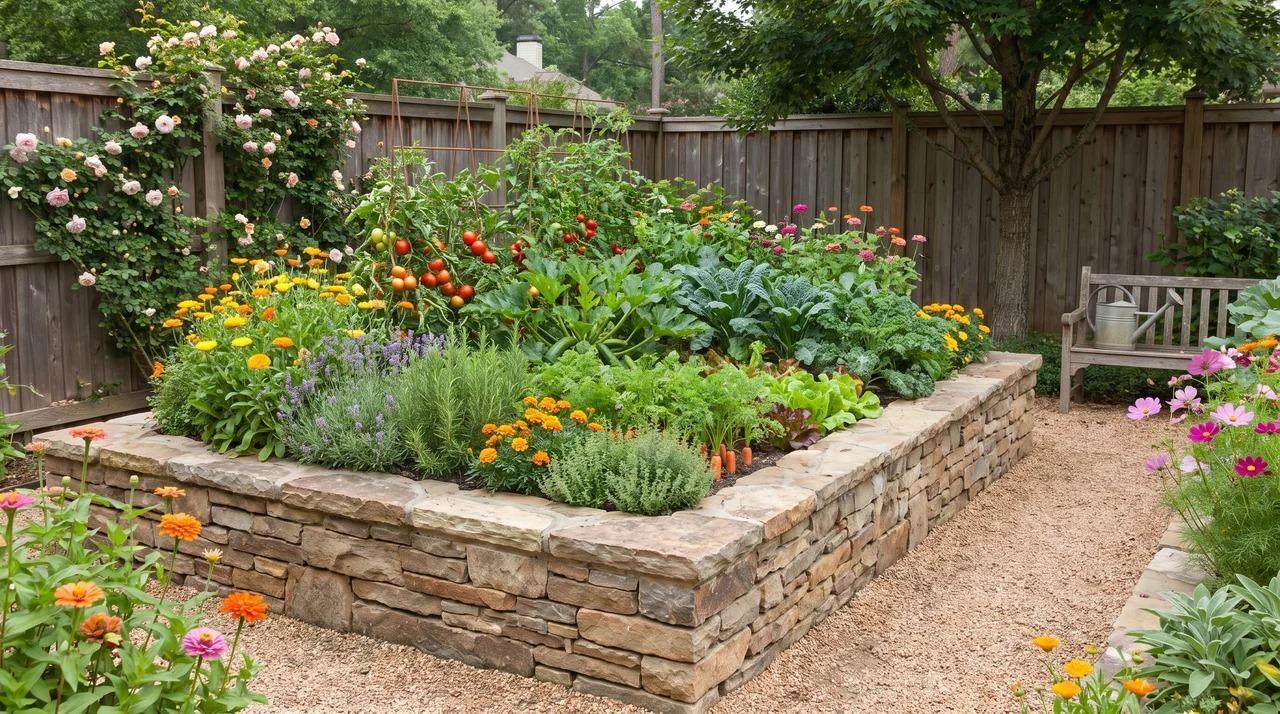
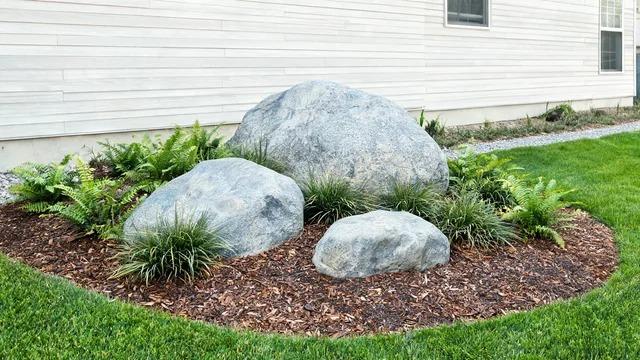
Natural stone creates a solid and attractive raised bed that blends well with outdoor landscapes. It is one of the longest-lasting materials available.
Lifespan: 50+ yearsCost: HighBest for: Permanent gardens, decorative landscapes, and large outdoor spaces.
Stone needs very little maintenance after installation. Its biggest drawback is the higher cost and the labor required to build the raised bed.
5.Concrete Blocks
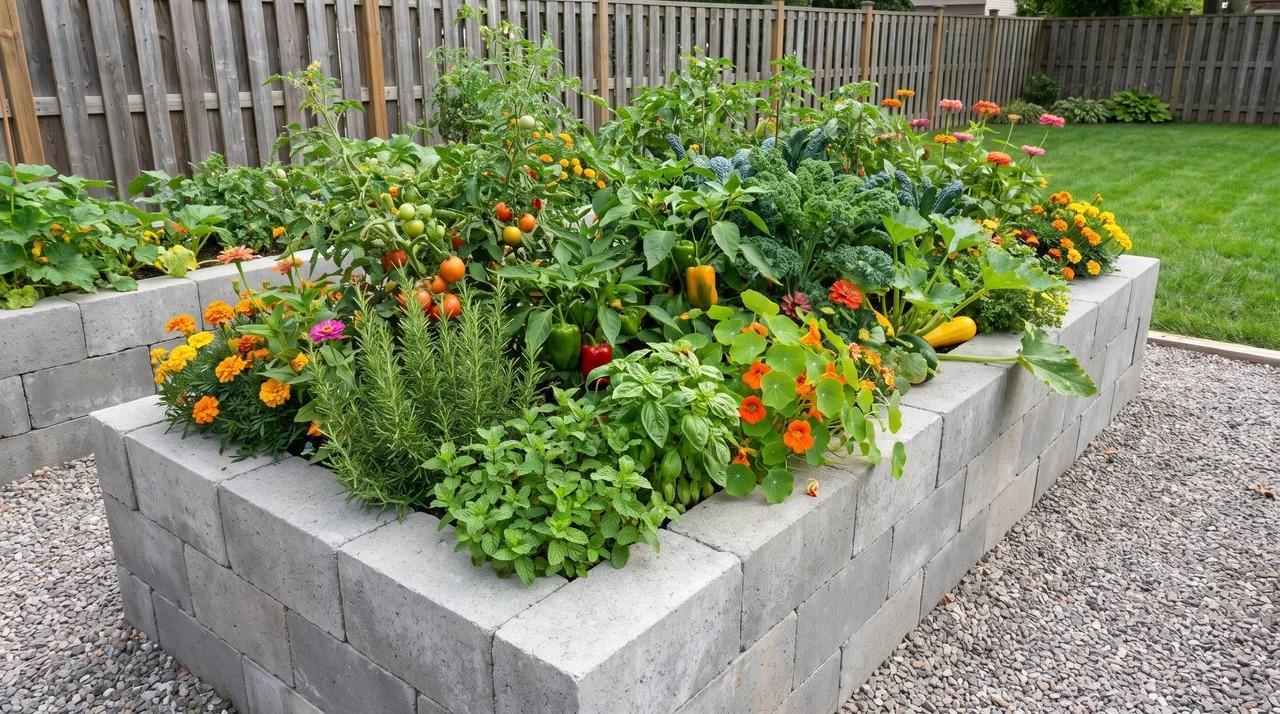
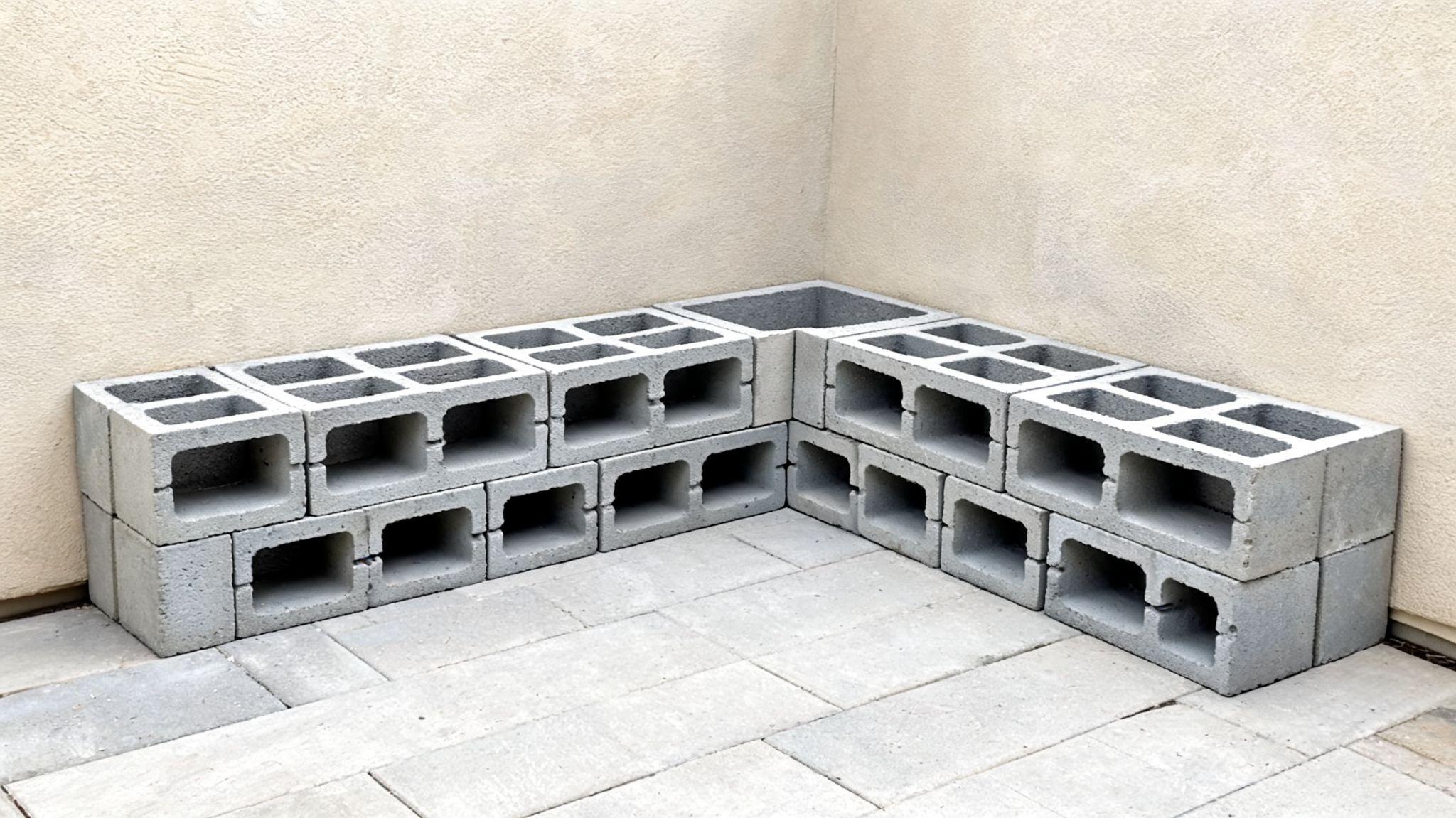
Concrete blocks provide a sturdy and budget-friendly option for gardeners who want a permanent raised bed with excellent strength.
Lifespan: 50+ yearsCost: MediumBest for: Large vegetable gardens, permanent installations, and DIY projects.
Maintenance is almost nonexistent once the bed is built. The main drawback is that concrete blocks are heavy, difficult to move, and may slowly affect soil pH over many years.
6.Composite
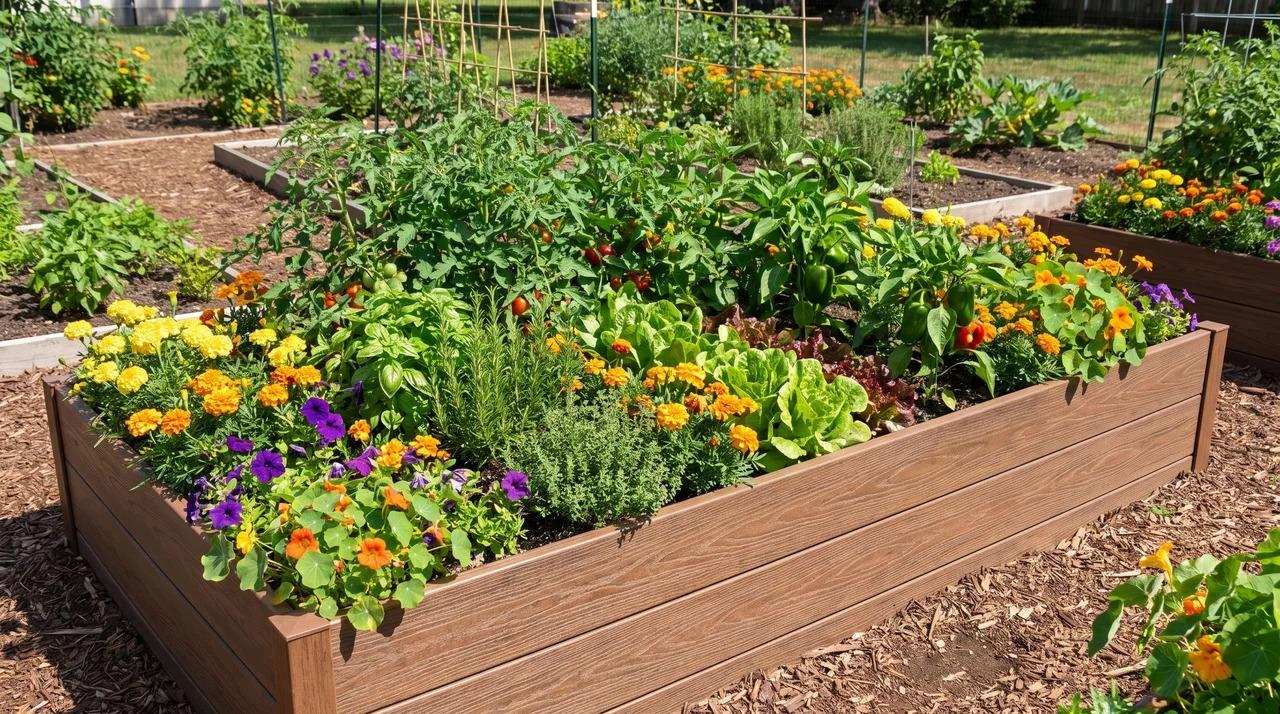
Composite raised beds are made from recycled wood fibers and plastic, giving them the look of wood with improved durability.
Lifespan: 20–25 yearsCost: HighBest for: Gardeners looking for a wood-like appearance with reduced maintenance.
Composite materials rarely rot or warp and need very little upkeep. Their main drawback is the higher purchase price compared to natural wood.
7.Untreated Pine
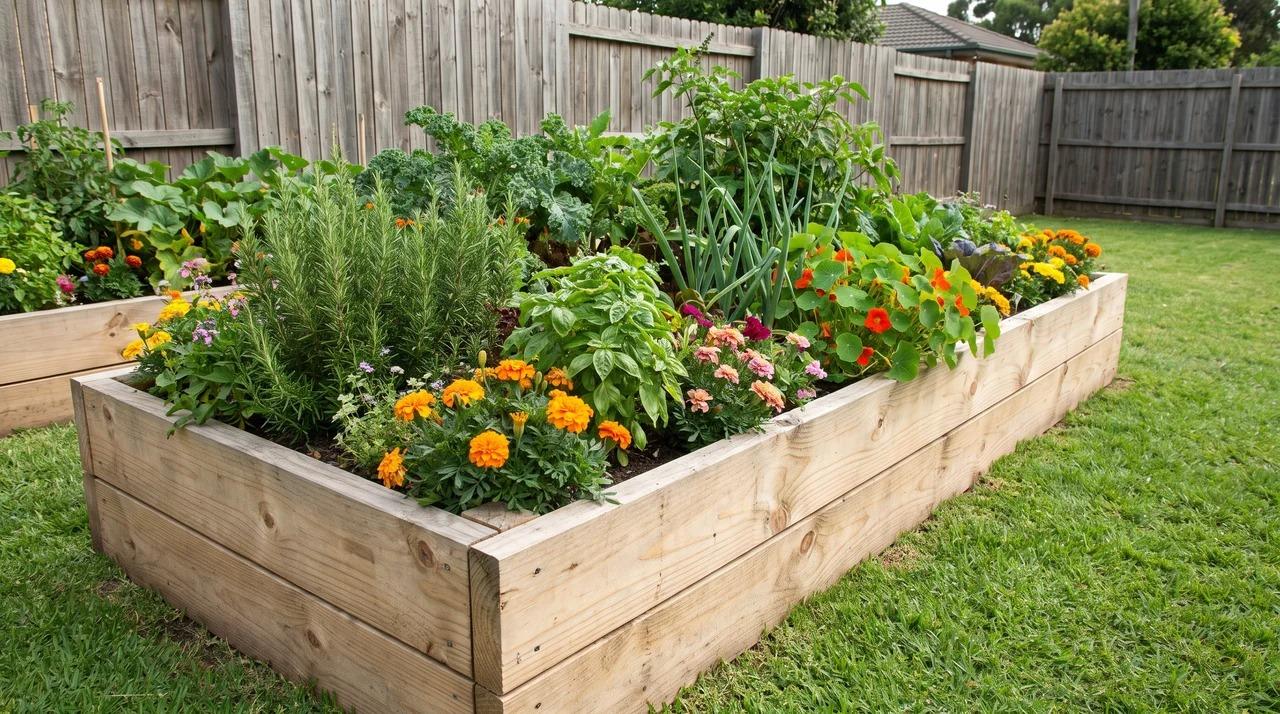
Untreated pine is an affordable material that is easy to find and simple to work with, making it a favorite for first-time gardeners.
Lifespan: 3–7 yearsCost: LowBest for: Budget-friendly gardens, temporary raised beds, and beginner DIY projects.
Pine may require replacement after several years because it rots faster than cedar or redwood. Its short lifespan is its biggest disadvantage.
8.Fabric
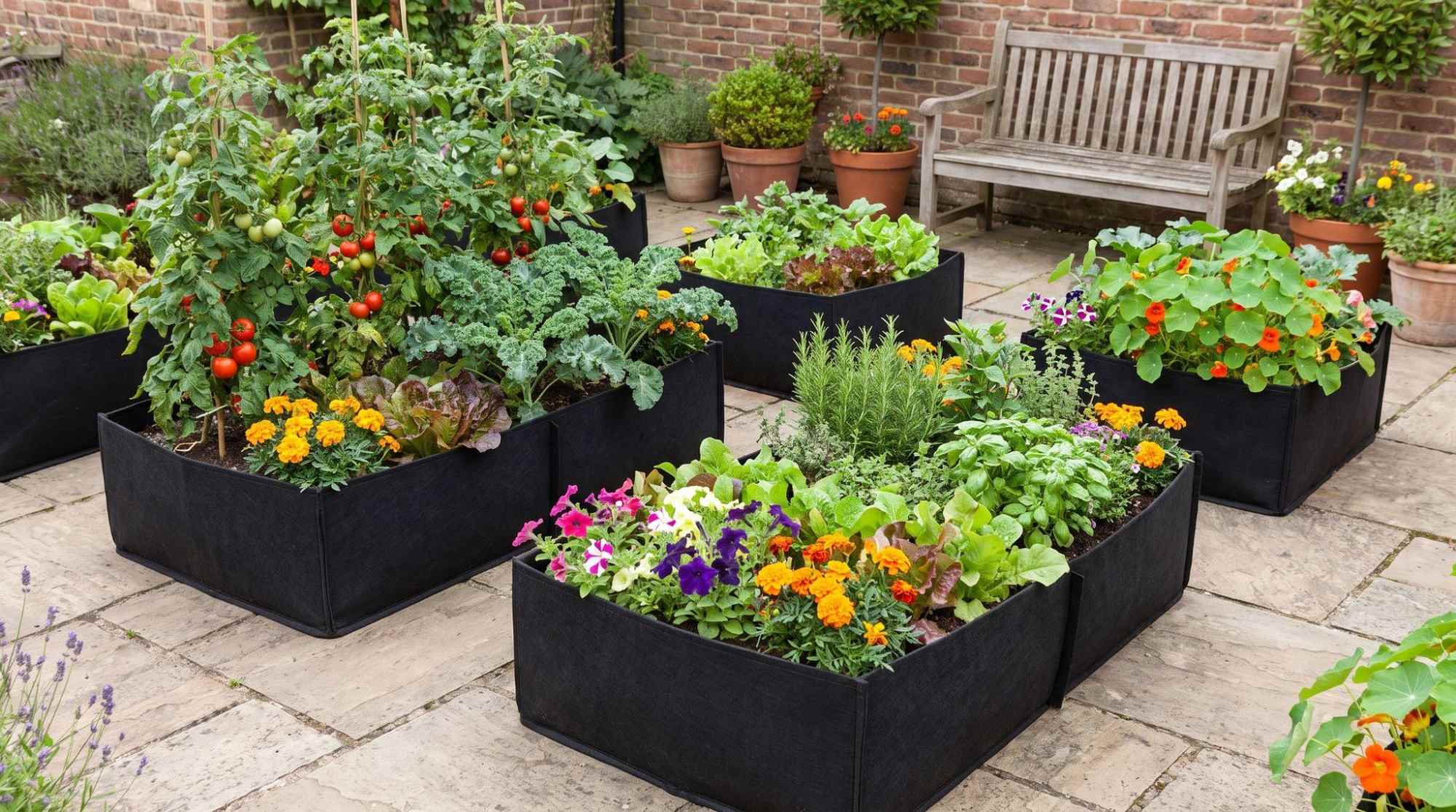
Fabric raised beds are lightweight containers made from breathable fabric that promotes healthy root growth and excellent drainage.
Lifespan: 3–5 yearsCost: LowBest for: Patios, balconies, renters, and gardeners with limited space.
Fabric beds are easy to store and move but may wear out after repeated exposure to sunlight and changing weather conditions.
9.Cypress
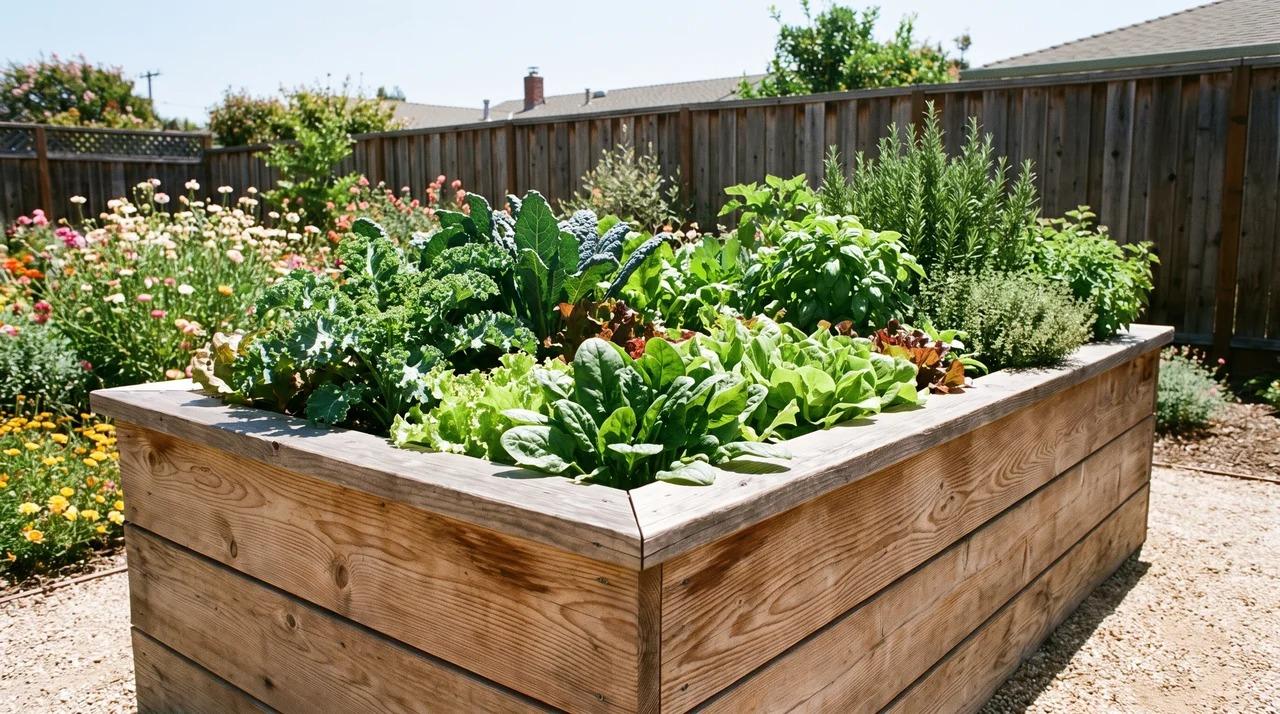
Cypress is a naturally durable wood that resists rot, moisture, and insects thanks to its natural oils. It offers many of the same benefits as cedar but is often more affordable in regions where it is readily available.
- Lifespan: 10–15 years
- Cost: Medium to high
- Best for: Vegetable gardens, raised beds in humid climates, and gardeners looking for a durable natural wood.
Cypress requires very little maintenance and can be left untreated if you prefer a natural look. Its main drawback is that it is not widely available in every part of the country, which can make it harder to source.
Materials to Avoid for Raised Garden Beds
Not every material is safe for growing vegetables and flowers. Some can release harmful chemicals into the soil, while others break down quickly or create long-term gardening problems.
- Railroad ties: Often treated with creosote, which contains chemicals that can leach into the soil and should not be used for edible gardens.
- Old pressure-treated lumber: Older treated wood may contain arsenic and other preservatives that can contaminate garden soil.
- Tires: Tires can release unwanted chemicals as they age and are not recommended for growing fruits, vegetables, or herbs.
- Unknown painted wood: Older paint may contain lead or other harmful substances that can affect soil quality.
- Plastic with unsafe recycling codes: Avoid plastics labeled with recycling codes 1, 3, 6, and 7, as they are not recommended for long-term food gardening.
- Rusted scrap metal: Sharp edges, heavy rust, and unknown coatings can make scrap metal unsafe and less durable.
- Chemically treated pallets: Many shipping pallets are treated with chemicals that are not intended for use around edible plants.
Choosing food-safe and durable materials from the beginning helps create a healthier growing environment and reduces the need to rebuild your raised garden beds later.
My Favorite Choice of Material for Raised Garden Beds
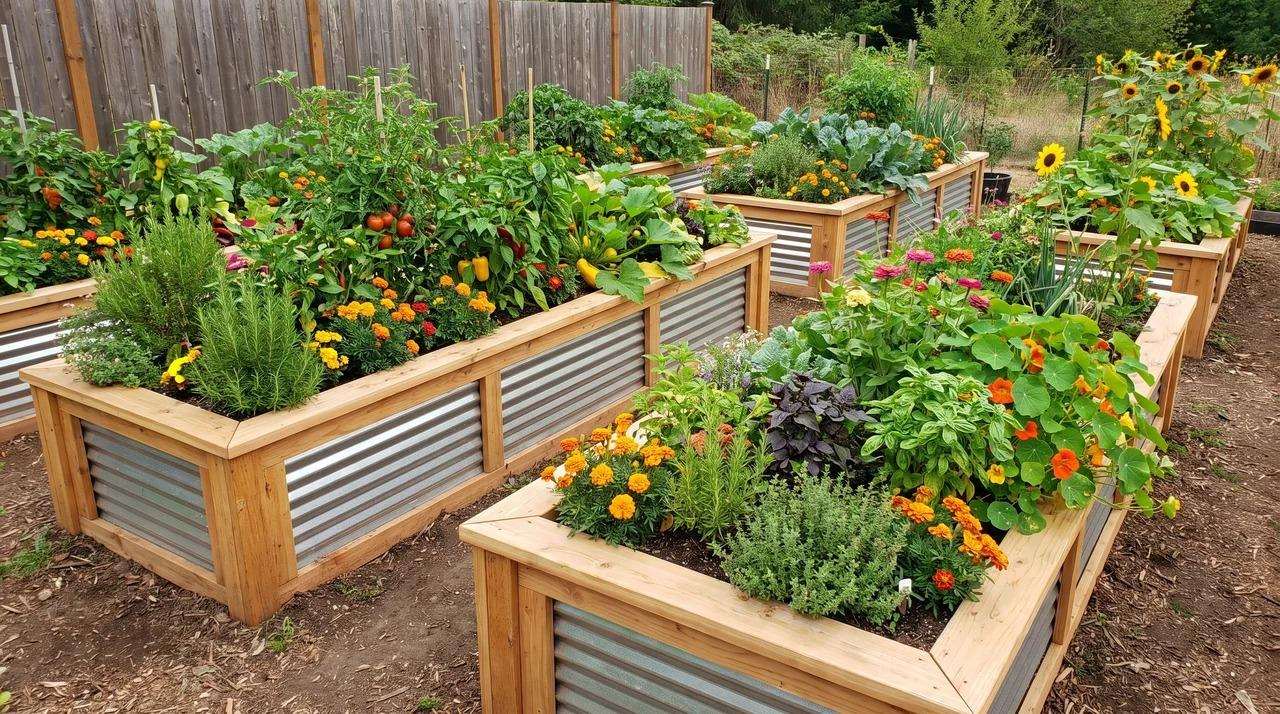
If I had to choose just one option, I would recommend cedar for most home gardeners. It offers a great balance of durability, safety, appearance, and ease of use.
Cedar naturally resists rot and insects without chemical treatments, making it a reliable choice for growing vegetables and herbs.
While it costs more than untreated pine, its longer lifespan often makes it a better value over time. If your budget allows, cedar is hard to beat.
For gardeners who want the longest-lasting option with minimal maintenance,galvanized steelis another excellent choice worth considering.
Expert Tips for Choosing the Right Raised Bed Material
Choosing the right material is only part of building a successful raised garden bed. These simple tips can help you get better value, improve durability, and make gardening easier over the years.
- Match the material to your climate: Use rot-resistant wood in wet areas, metal in humid regions, and materials that can handle your local weather conditions.
- Consider long-term ownership costs: A higher upfront investment in durable materials can reduce repair and replacement costs over time.
- Build deeper beds for vegetables: A depth of 12 to 18 inches gives most vegetables enough room to develop healthy root systems.
- Use quality hardware: Choose galvanized or stainless steel screws and brackets to prevent rust and keep the bed sturdy.
- Add protective liners only when appropriate: Liners can extend the life of wooden beds, but make sure they do not block proper drainage.
- Think about future expansion: Leave enough space between beds so you can easily add more raised beds as your garden grows.
Keeping these practical tips in mind will help you build raised garden beds that last longer, require less maintenance, and provide a better growing environment for your plants.
Conclusion
Choosing the best material for raised garden beds comes down to balancing your budget, climate, gardening goals, and the amount of maintenance you are comfortable with.
A thoughtful choice can give you healthier plants and a garden bed that serves you well for many years. Take time to compare your options before starting your project, and select the material that fits your outdoor space and growing plans.
If you found this guide helpful, leave a comment with your favorite raised bed material, share this article with other gardeners, or explore our other gardening guides for more practical tips.
Frequently Asked Questions
Can raised garden beds be built directly on grass?
Yes, you can build them on grass. Adding cardboard underneath helps suppress weeds while allowing soil organisms to move naturally into the bed.
How wide should a raised garden bed be?
A width of about 4 feet lets you comfortably reach the center from either side without stepping on the soil.
Do raised garden beds need a bottom?
Most raised garden beds do not need a solid bottom. Open bottoms allow roots to grow deeper and improve natural drainage.
Can I mix different materials in one raised garden bed?
Yes, combining materials like wood with metal brackets or stone edging can improve strength while creating the appearance you want.
How often should I replace the soil in a raised garden bed?
Complete soil replacement is rarely necessary. Refresh the bed yearly by adding compost and organic matter to maintain healthy growing conditions.