An awning is a lightweight, roof-like cover fixed to a building’s exterior wall that shades and shelters a window, door, or outdoor area.
That’s the short answer. Most people use the word for any shade cover, and that’s where buying goes wrong.
Keep reading to see how an awning is built, how it differs from a canopy or pergola, and how much heat it keeps out compared with blinds.
What Is an Awning?
An awning is a secondary, roof-like cover attached to a building’s exterior that shades and shelters an opening or outdoor area. You see them over shop windows, front doors, cafe patios, and back decks.
The word “secondary” matters here. An awning is not part of the main roof or the building’s structure. It gets added later, after the walls and roof are already up.
That’s why it leans on the wall for support. Bolted or fixed to the exterior, it reaches outward to cover the space below.
Most awnings are light. They’re built to give shade and cover a small area, not to carry the weight of a real roof.
Not every shade cover counts as an awning, though. If it stands on its own posts, it’s something else. The differences section covers that.
What Are Awnings Made Of, and What Types Exist?
An awning is built from a lightweight frame plus a covering, and the two main types are fixed and retractable. The frame holds the shape, and the cover does the shading.
The type depends on how the awning moves, not where you mount it. Material changes durability and how much light passes through. It doesn’t change what makes it an awning.
1. Frame Materials
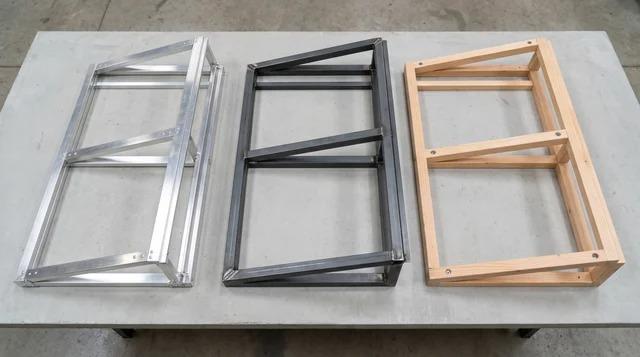
Frames are usually aluminum, steel, or wood. Aluminum is light and won’t rust, which suits damp climates.
Steel is stronger and carries wider spans, but it needs a protective coating. Wood looks warm, but it needs regular sealing to resist rot.
2. Cover Materials
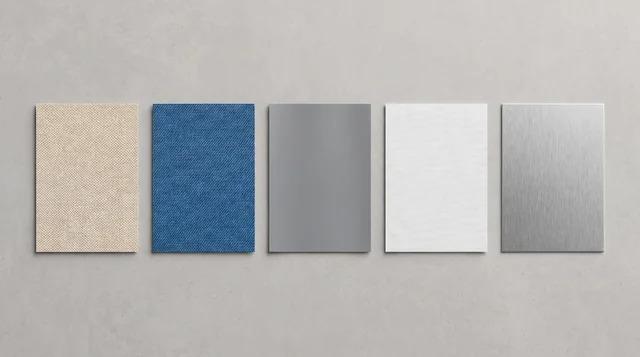
Fabric covers include canvas, acrylic, vinyl, and polyester. Canvas is breathable and softens the light. Acrylic and polyester resist fading and dry quickly.
Vinyl blocks the most light and wipes clean. Metal sheeting is the toughest option, blocking all light and handling heavy weather.
3. Fixed Awnings
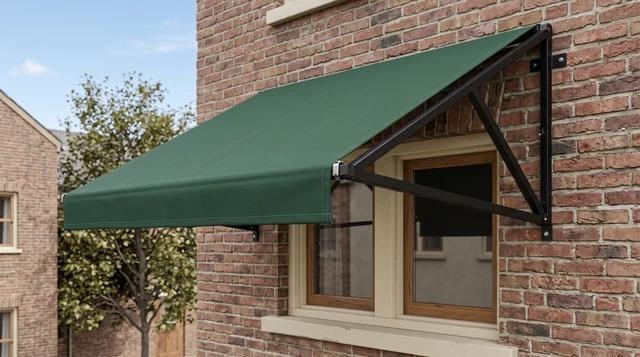
Fixed awnings stay in place all year. The frame is set, and the cover stays stretched over it.
They suit spots that need steady shade or rain cover. Nothing moves, so they hold up well in the wind. The trade-off is you can’t pull them back for winter sun.
4. Retractable Awnings
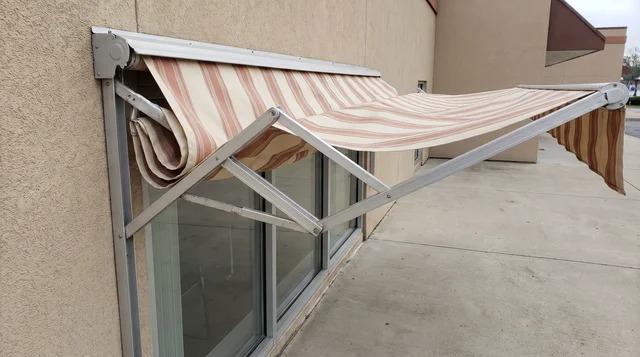
Retractable awnings fold or roll back against the wall. You open them for shade and close them when you don’t need it.
That gives you sun on cool days and cover on hot ones. The trade-off is more moving parts, which means more that can wear out.
How Is an Awning Different From a Canopy, Pergola, or Overhang?
An awning differs from a canopy, pergola, or overhang mainly because it is a lightweight covering attached to a building wall, rather than freestanding or built into the roof.
Dictionaries often list these words as synonyms, but each one usually means something different.
Awning vs. Canopy
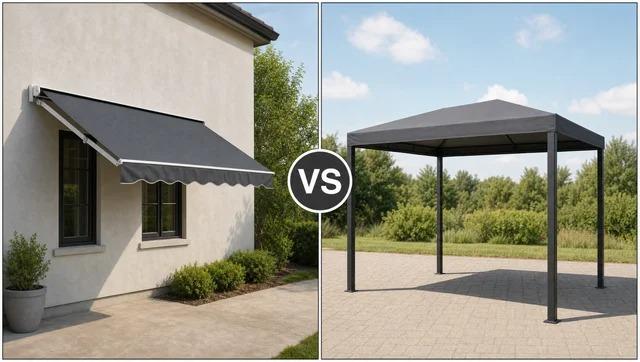
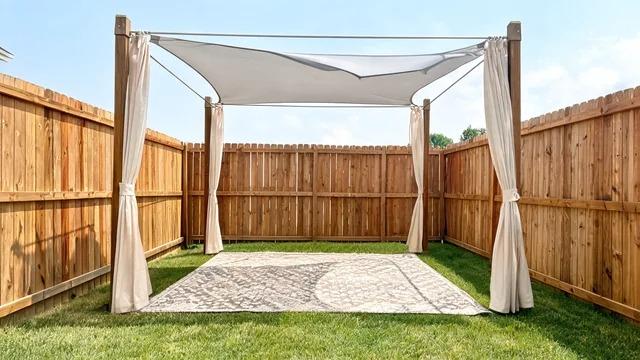
A canopy more often stands on its own posts. Think of a party tent, a market stall, or a covered walkway. Nothing needs to lean on a building.
An awning usually depends on the wall behind it for support. It projects outward from that wall and shades the space beneath. Take the wall away, and most awnings have nothing to hold them up.
Awning vs. Pergola
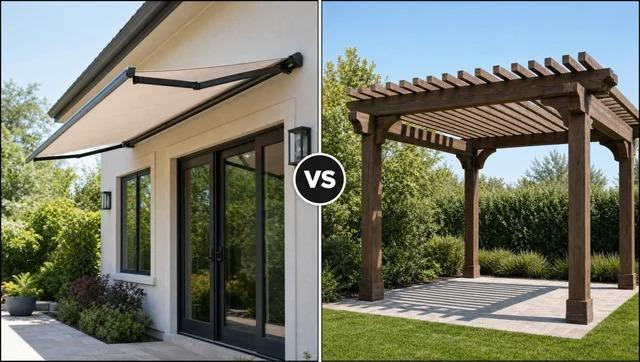
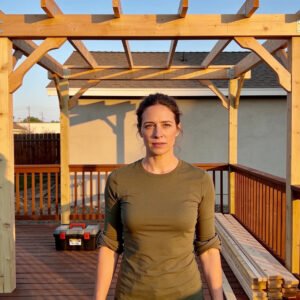
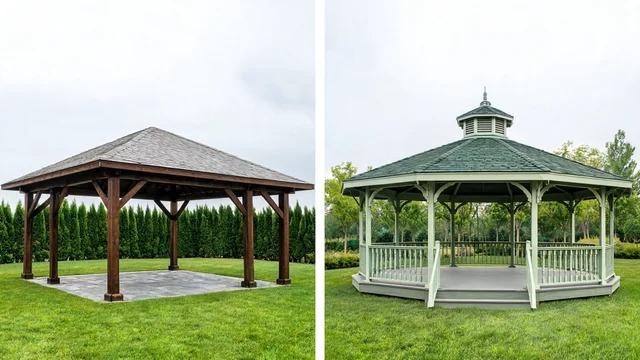
A pergola is a heavier, more structural frame. It often uses thick beams and posts, with an open, slatted top. It’s built to create a defined outdoor space, such as a seating area.
An awning is lighter and made mainly to shade. It doesn’t add a new structure to your yard. It adds cover to a wall you already have.
Awning vs. Overhang
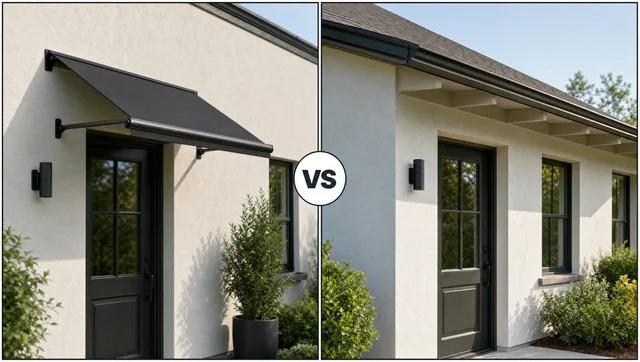
An overhang is typically part of the building itself. Think of a roof edge that extends past the wall, or eaves that shelter a doorway. It’s built in during construction.
An awning is added afterward. You can usually remove it without changing the building’s structure. An overhang can’t come off that way, because it’s part of the roof.
Awning vs. Canopy vs. Pergola vs. Overhang: Comparison Chart
This chart puts all four side by side. Use it to compare how each one is supported, built, and used.
| Feature | Awning | Canopy | Pergola | Overhang |
| Support | Wall mounting, sometimes with posts | Usually its own posts | Posts and beams, sometimes wall-attached | Building’s own frame |
| Build weight | Light | Light to medium | Heavy and structural | Permanent, built into the roof |
| Main purpose | Shade and weather cover over a wall | Freestanding cover for an area | Defines an outdoor living space | Shelters the wall or doorway |
| Typical top | Fabric or metal | Fabric, metal, or glass | Open slats or rafters | Solid roof material |
| Added when | After construction | After construction | After construction | During construction |
| Easy to remove | Yes | Usually | Not easily | No |
| Common spot | Windows, doors, patios | Walkways, entrances, event areas | Yards, decks, patios | Doorways, roof edges |
What Does an Awning Do?
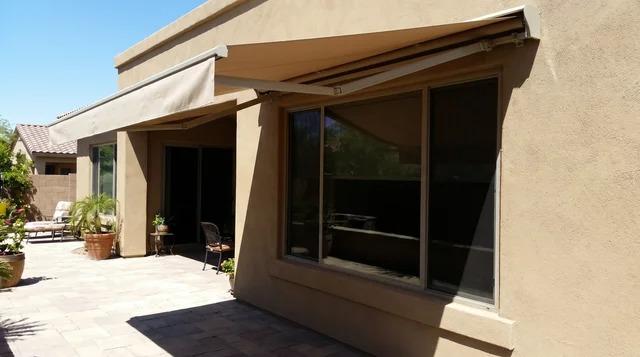
An awning shades and shelters an opening or outdoor area by blocking sun and precipitation before they reach the wall.
It works over doors, windows, patios, and decks. It blocks direct sun, glare, rain, and snow, so a seat outside stays comfortable and your doorway stays dry.
It also keeps rooms cooler because it stops sunlight before it passes through the glass. Once light gets inside, it warms the floor and furniture, and that heat stays in the room.
Interior blinds only manage light that has already entered, so the warming has started by then. An awning stops it outside. Placement and projection decide how well it works.
A window that gets direct sun benefits most, and a deeper projection blocks more of the high sun. Indirect light barely changes with an awning, and it won’t insulate a room in cold weather.
Where Are Awnings Used?
Awnings fit in more places than most people expect. You’ll find them at homes and at businesses.
- Front doors: shelter for the entrance.
- Windows: less sun and heat indoors.
- Patios and back decks: retractable awnings are popular here, since you open them only when needed.
- Sliding doors: shade for the glass and the space outside.
- Shop windows and entrances: cover for displays and customers.
- Cafe and restaurant patios: comfortable outdoor seating.
- Branding: a printed name or logo lets the awning double as signage.
Wherever people sit, wait, or shop outside, an awning usually fits.
Final Takeaway
So, what is an awning? It’s a light cover fixed to your wall that shades and shelters the space below.
That wall support is what separates it from a canopy, a pergola, or an overhang.
I think it’s one of the simplest fixes for a sunny door or window. It stops the light outside, so your room stays cooler.
Fixed or retractable, the job stays the same. It handles the sun and rain before they reach you.
Frequently Asked Questions
What Is the Purpose of an Awning?
An awning shades and shelters a door, window, or outdoor area. It blocks sun and rain, keeps rooms cooler, and protects furniture and floors from fading.
Is an Awning the Same as a Canopy?
No. An awning attaches to a building wall and leans on it for support. A canopy more often stands on its own posts, like a party tent or market stall.
Do Awnings Keep a House Cooler?
Yes. An awning stops sunlight before it passes through the glass. The US Department of Energy says window awnings can reduce solar heat gain in summer by up to 65% on south-facing windows and up to 77% on west-facing windows.
What Is an Awning Window?
An awning window is hinged at the top and swings outward from the bottom. It lets in fresh air while keeping rain out, and it is a window, not a shade cover.
What Is an Awning on a Caravan or Tent?
It’s a fabric cover that attaches to the side of a caravan, RV, or tent entrance, held up by a rail or poles. It creates a sheltered space for sitting, cooking, and storing gear, which is what people mean by awning camping.