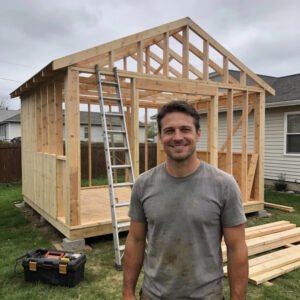
Finding the right shed dimension is harder than most people think. Too small, and you run out of space fast. Too large, and it takes over your backyard. Most people guess and end up regretting it.
This article breaks down every shed size you need to know. It covers standard dimensions, purpose-based sizing, backyard fit, and common mistakes people make when planning a shed.
After working through outdoor storage planning with hundreds of homeowners, one thing is clear:the right shed dimension saves time, money, and frustration down the road. Most people who start with a smaller shed end up upgrading within a couple of years.
By the end, you will know exactly which shed dimension fits your space and goals.
What Are Shed Dimensions?
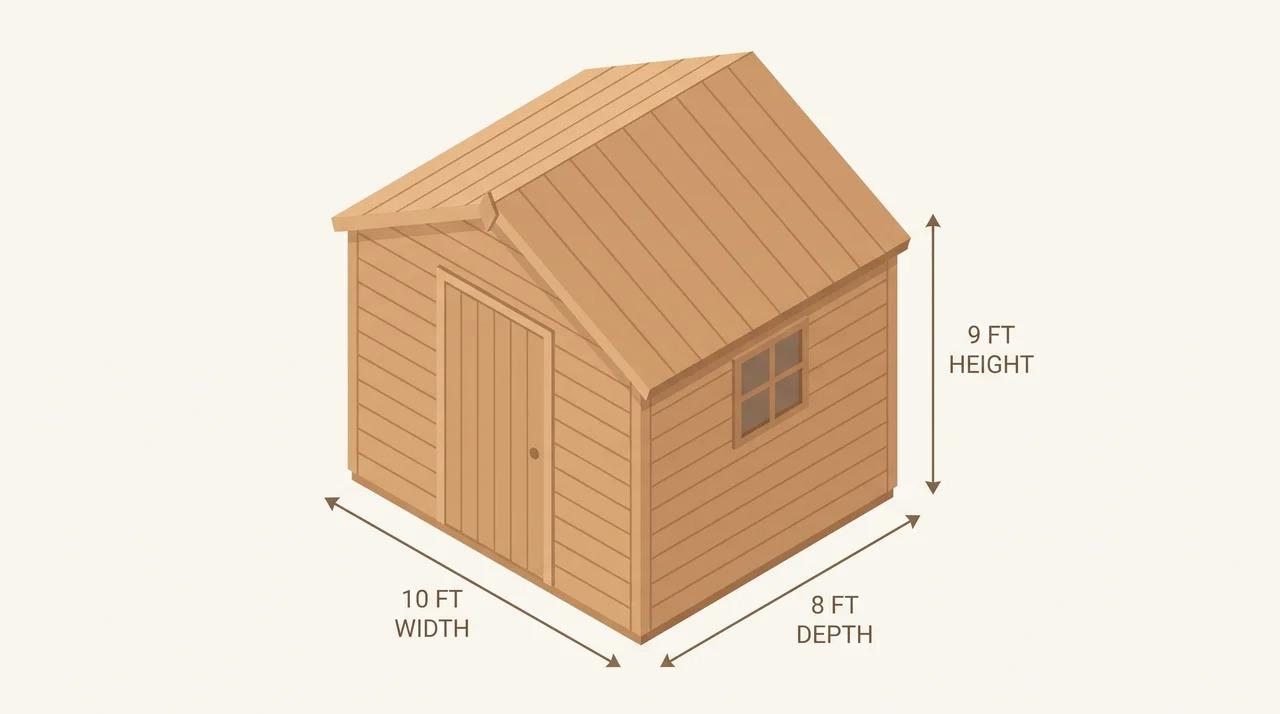
Shed dimensions refer to the width, depth, and height of a shed structure.
When people talk about shed size, they usually refer to the footprint first. That is the floor space, listed as width by depth.
For example, a 10×12 shed is 10 feet wide and 12 feet deep. The third number that matters is the height, which includes wall height and peak height.
Getting all three right matters. The footprint tells you how much floor space you have. The wall height tells you how much vertical storage or headroom you get.
Together, they determine what fits inside and how comfortable the space feels to work in. A good interior layout depends on all three working together.
Standard Shed Dimensions Explained
Not all shed sizes are created equal. Here is what each size range typically looks like and who it works best for.
Small Shed Dimensions (6×8 to 8×12)
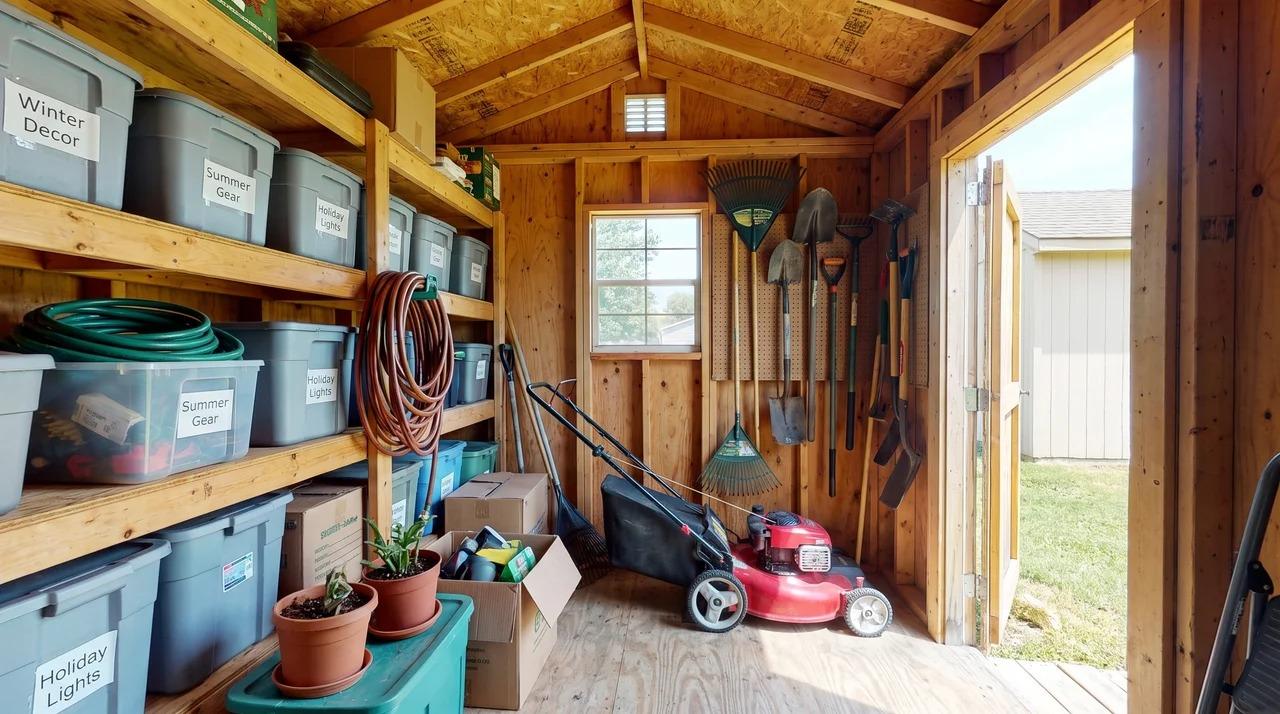
Small sheds are ideal for tight backyards or light storage needs.
A 6×8 shed gives you 48 square feet. It fits a few garden tools, a lawnmower, or seasonal items. An 8×10 or 8×12 steps it up slightly.
According to industry data, the 8×12 is the most popular small shed size in the US. These sizes work for people who need basic storage without taking up much yard space. They are also easier to permit in many areas since they fall under size thresholds.
Medium Shed Dimensions (10×10 to 12×16)
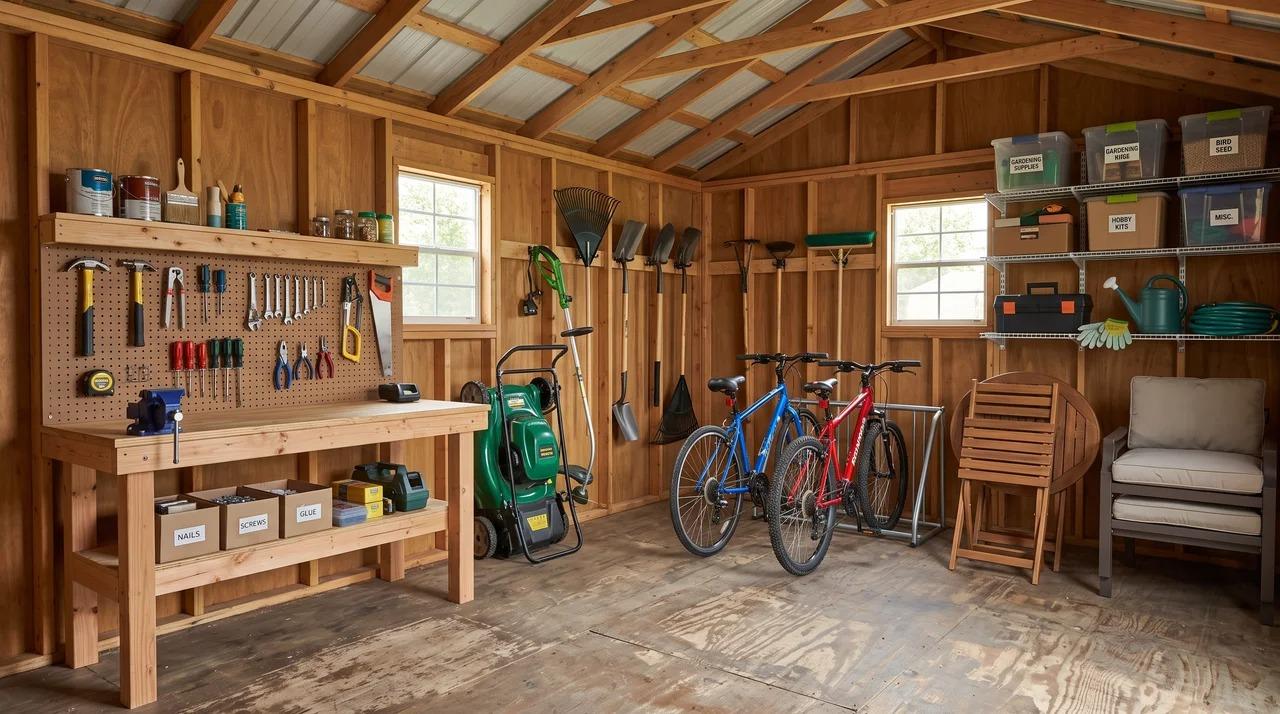
Medium sheds are the most popular choice for homeowners.
A 10×10 or 10×12 gives you enough room to store lawn equipment, bikes, and outdoor furniture all at once. A 12×16 opens up space for a small workbench or hobby area.
These sizes hit the sweet spot between storage capacity and backyard footprint. The 10×12 is consistently one of the top-selling medium sizes across the US.
Large Shed Dimensions (12×20 and Above)
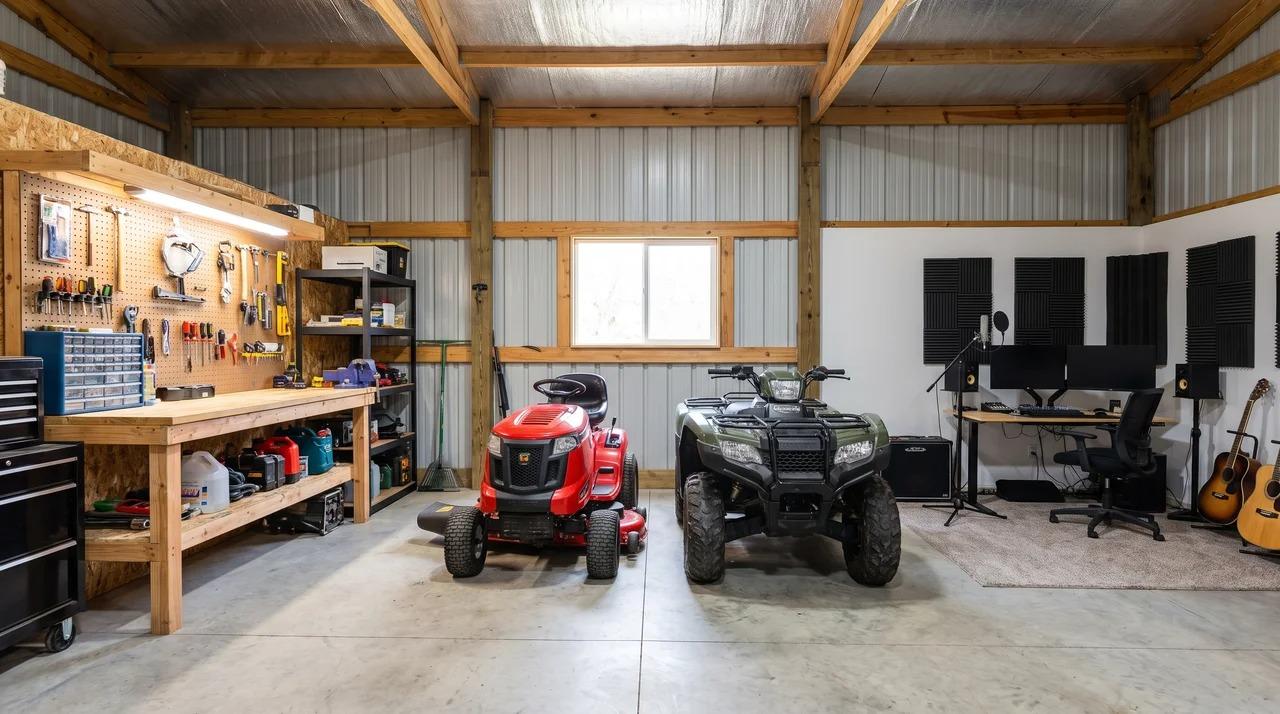
Large sheds offer serious storage and workspace.
A 12×20 or 16×24 can handle full workshops, riding mowers, ATVs, or even a home studio setup. These sheds require more planning, more budget, and usually a permit. But for people who need real space, they are worth it.
Prefab versions in this range typically start around $2,000 and go up depending on materials and features.
Shed Dimension Chart by Size
Here is a quick reference chart to compare shed sizes at a glance.
| Shed Size | Square Footage | Best For |
| 6×8 | 48 sq ft | Basic garden tool storage |
| 8×10 | 80 sq ft | Tools, bikes, and small items |
| 8×12 | 96 sq ft | Lawn gear and seasonal storage |
| 10×10 | 100 sq ft | Mixed outdoor storage |
| 10×12 | 120 sq ft | Lawnmower, tools, and more |
| 12×12 | 144 sq ft | Bikes, equipment, and workspace |
| 12×16 | 192 sq ft | Workshop starter or multi-use |
| 12×20 | 240 sq ft | Full workshop or large equipment |
| 14×24 | 336 sq ft | ATV, workshop, or studio |
| 16×24 | 384 sq ft | Garage-level storage or office |
| 16×32 | 512 sq ft | Large workshop, gym, or guest space |
How to Choose the Right Shed Dimension
The right shed dimension depends on three things:what you are storing, how much backyard space you have, and how you plan to use the shed over time.
Start by making a list of everything you want to store. Include large items like mowers, bikes, or tools first. Then add smaller items. Measure the biggest items and add at least 2 to 3 feet of clearance around each one. That gives you a realistic floor space estimate.
Next, check your local zoning rules. Many areas limit how close a shed can be to a fence or property line through setback requirements. Some require permits for sheds over a certain size, often 120 or 200 square feet.
You can check the National Zoning Atlas online if you are unsure about your area. Know the rules before you plan.
Finally, think about the future. A shed that feels just right today may feel cramped in two years. If your budget allows, go one size up. The extra space is almost always used.
Best Shed Dimensions Based on Purpose
The best shed size often depends on what you plan to do with it.
Garden Tool Storage
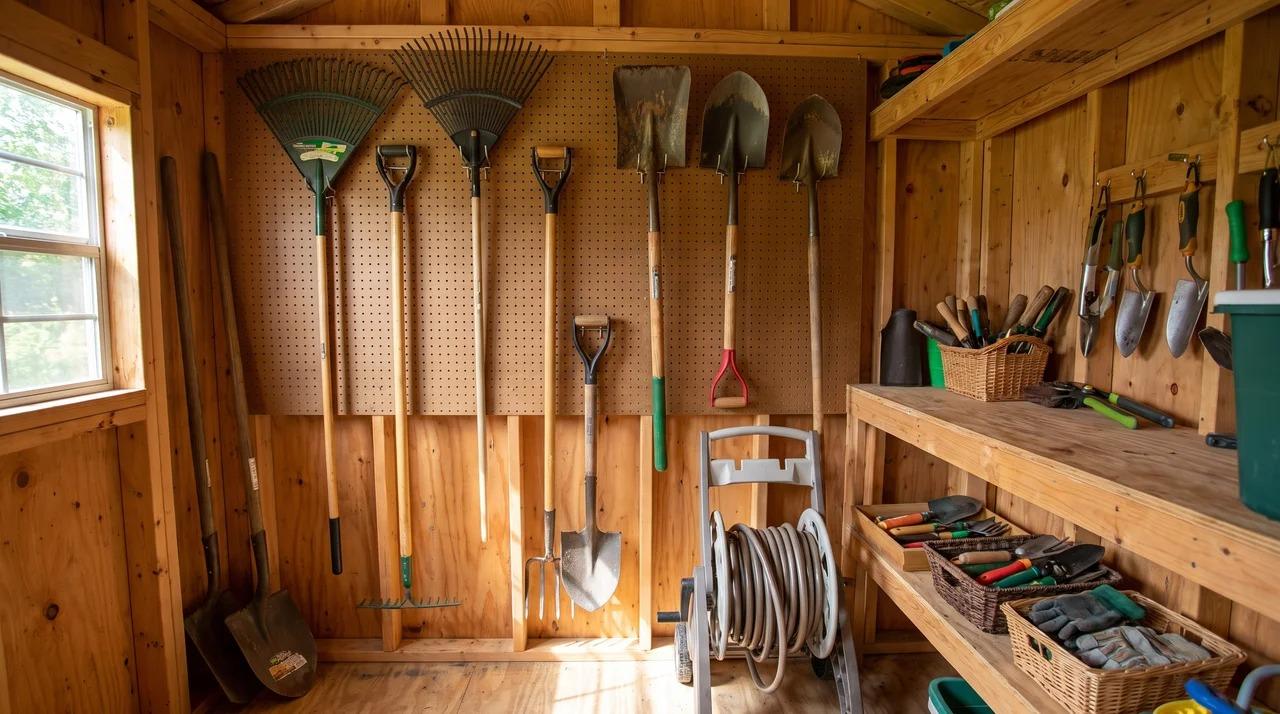
For garden tools only, a 6×8 or 8×10 shed works well. It holds rakes, shovels, a hose reel, and smaller hand tools.
Add wall hooks and shelving to maximize vertical space. Even a small shed becomes highly functional with the right organization.
Lawn Mower and Outdoor Equipment
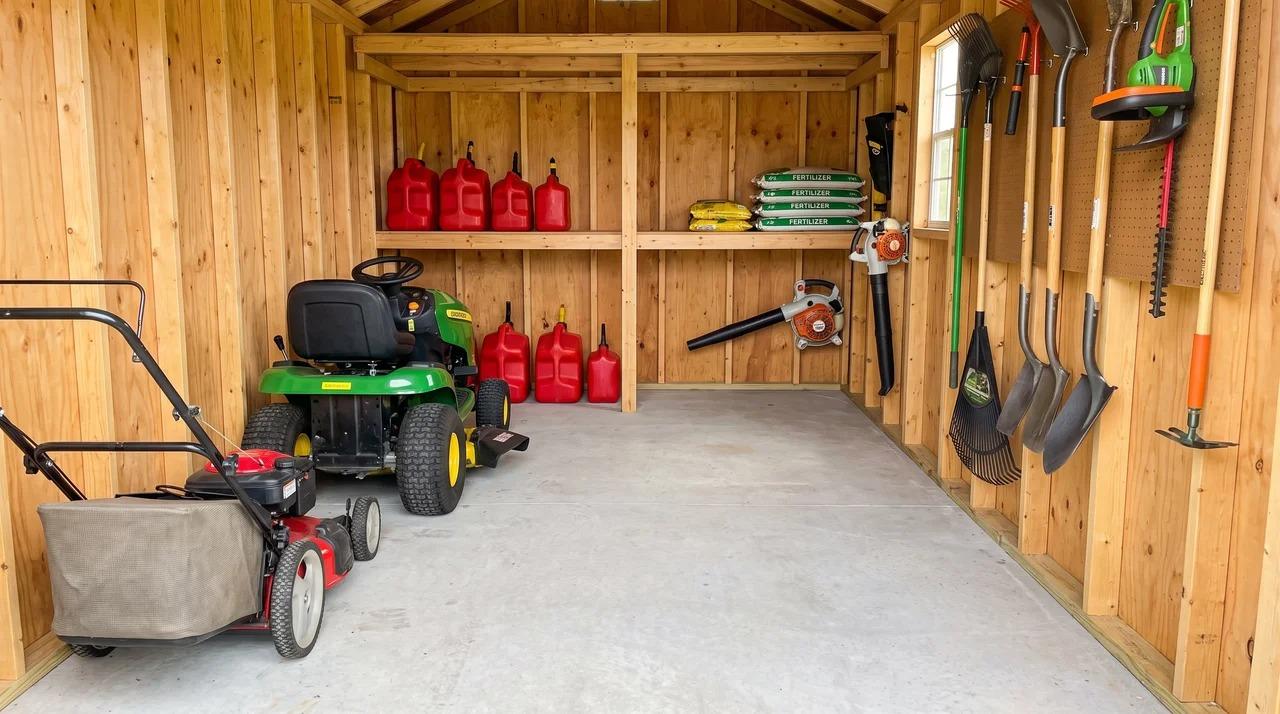
A standard push mower needs about 2×3 feet of floor space. A riding mower needs closer to 4×6 feet.
Add space for gas cans, fertilizer, leaf blowers, and tools, and you are looking at a minimum of 10×10. A 10×12 or 12×12 is a safer bet.
Workshop or Woodworking Shed
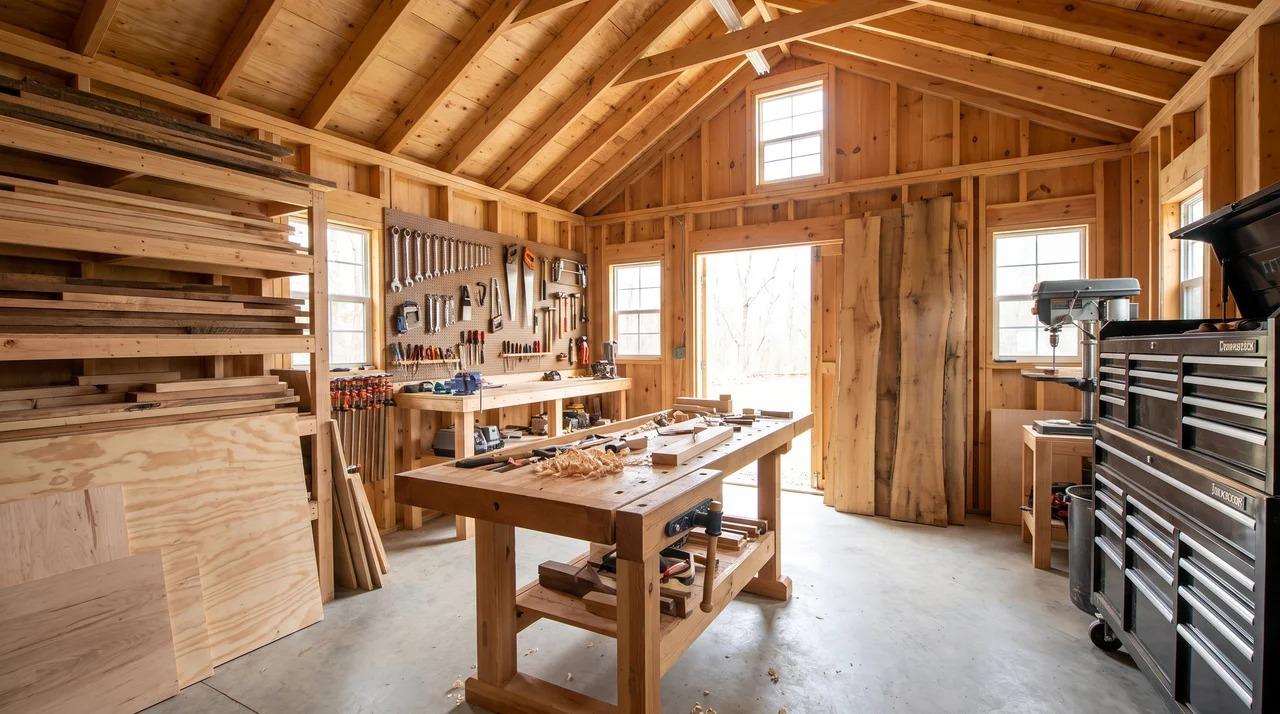
A woodworking shed needs room for a workbench, tools, and material storage. A 12×16 is the minimum that feels usable.
A 12×20 or 14×20 gives you real breathing room. You also want taller walls, ideally 8 feet, for hanging tools and working with large boards.
Home Office or Backyard Studio
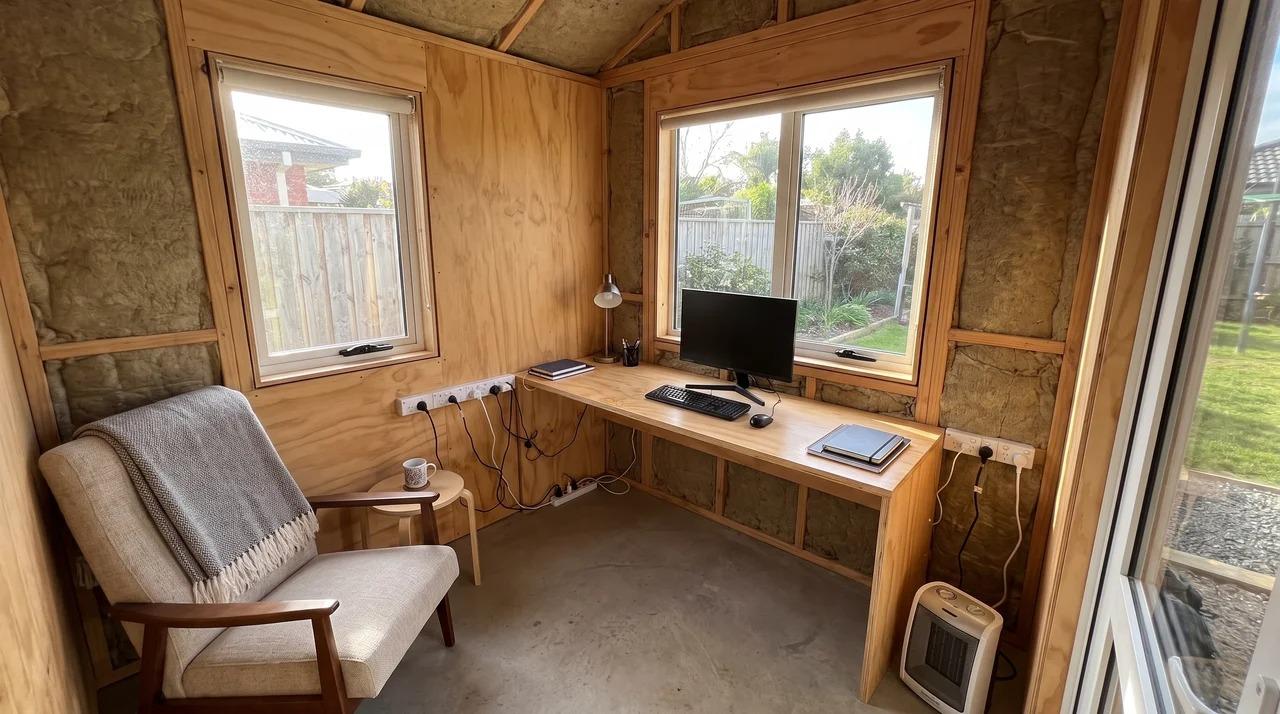
A backyard office needs to feel like a real workspace, not a closet. A 10×12 works for a solo setup.
A 12×16 or 12×20 allows for a desk, seating area, and some natural light from windows. Insulation, ventilation, and electrical access matter just as much as square footage here.
Bike, ATV, and Motorcycle Storage
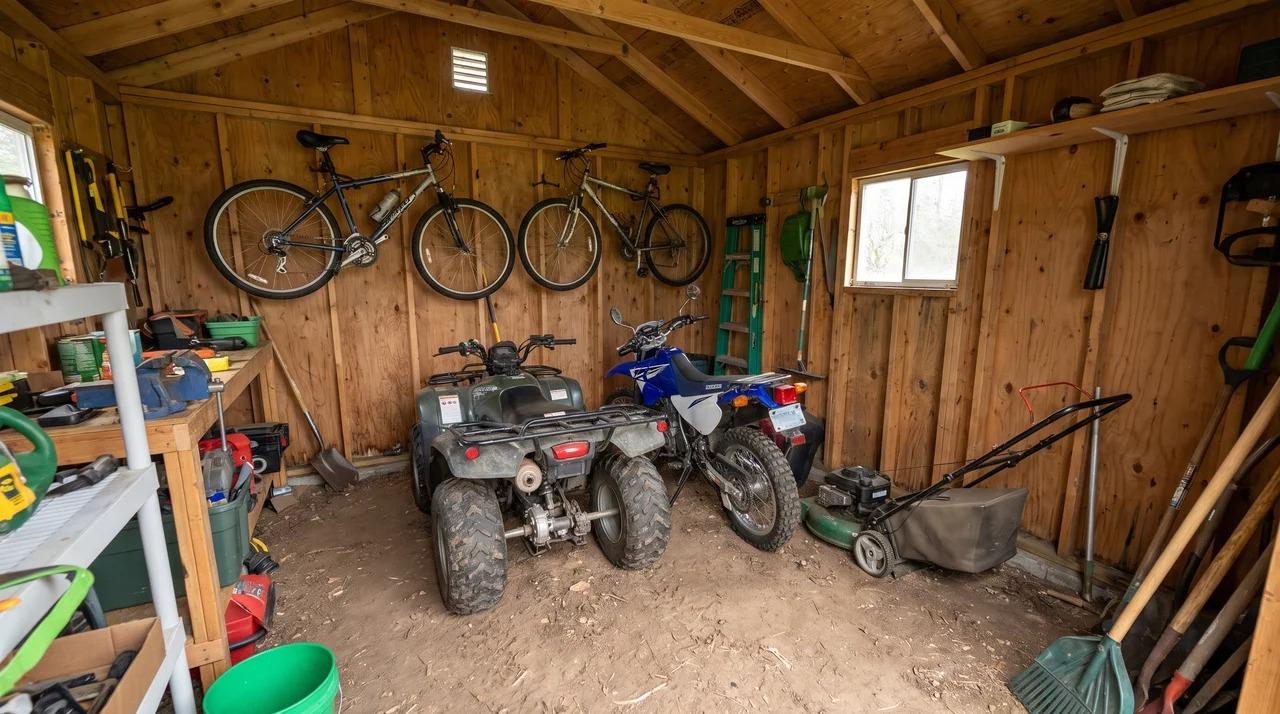
Bikes take up less space than most people expect. Two adult bikes fit in an 8×10 with hooks. An ATV or motorcycle needs a 10×12 at minimum.
For two vehicles or a bike plus a mower, a 12×16 gives you comfortable access and room to move around.
Hobby Room or Craft Shed
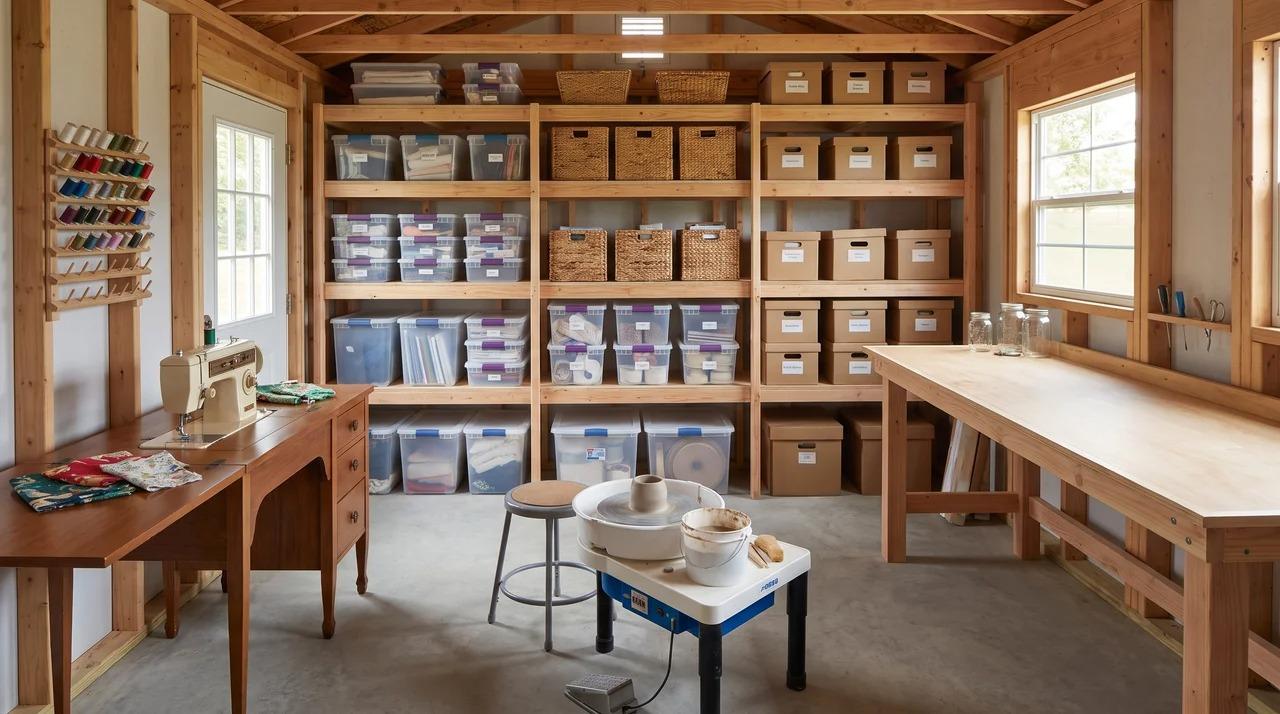
Hobby sheds need good light, storage, and a clear work surface. A 10×12 works for basic crafting.
If you use large equipment like a sewing table or pottery wheel, go with a 12×16. Shelving along the walls keeps the floor clear and the space feeling open.
Home Gym
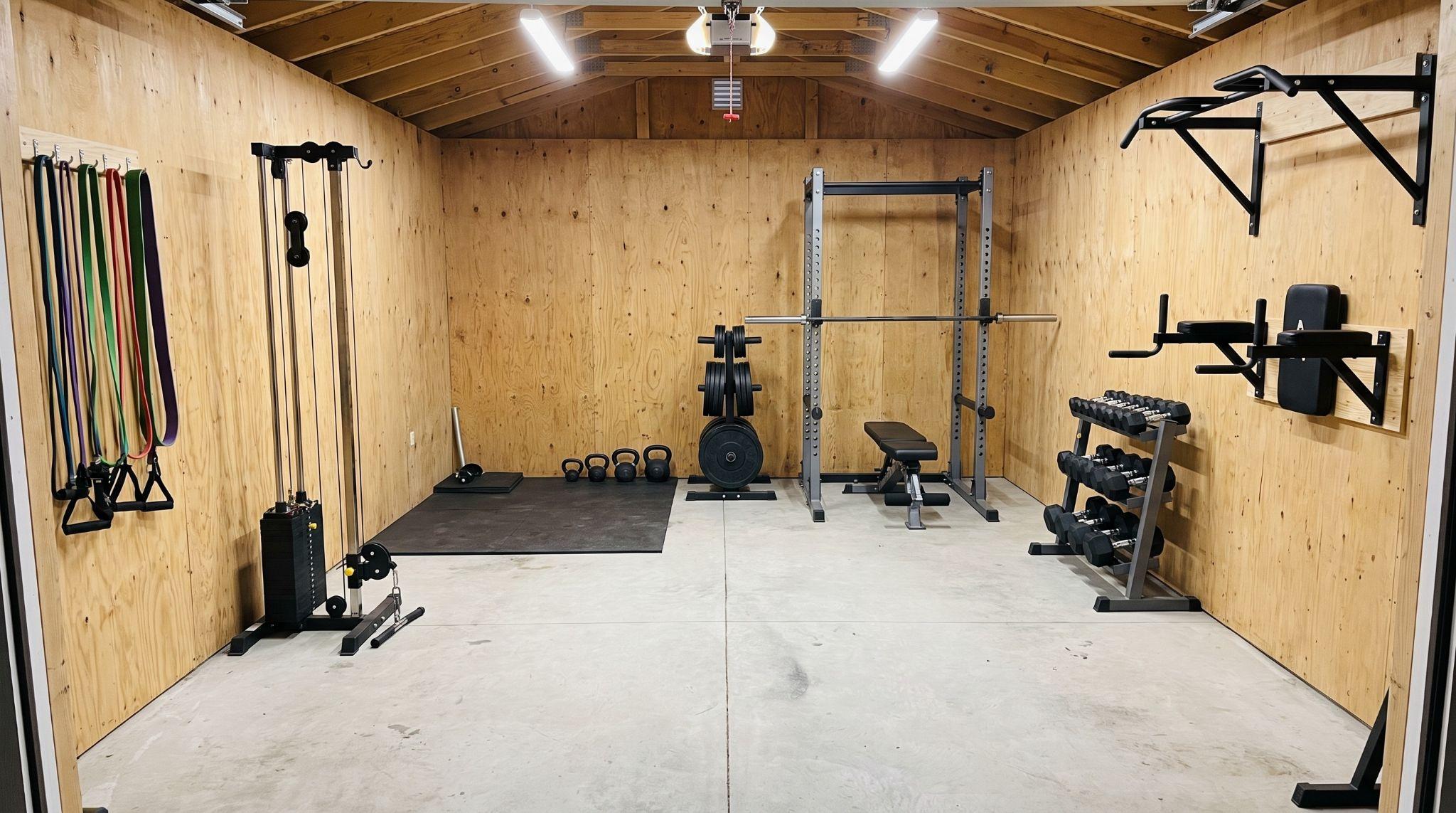
A home gym needs more square footage than people expect. A 10×12 is tight but workable for a small setup with a rack and weights.
A 12×16 allows for multiple stations. You will also want a ceiling height of at least 8 feet for exercises like overhead press or pull-ups.
Tiny Guest Space or Multipurpose Shed
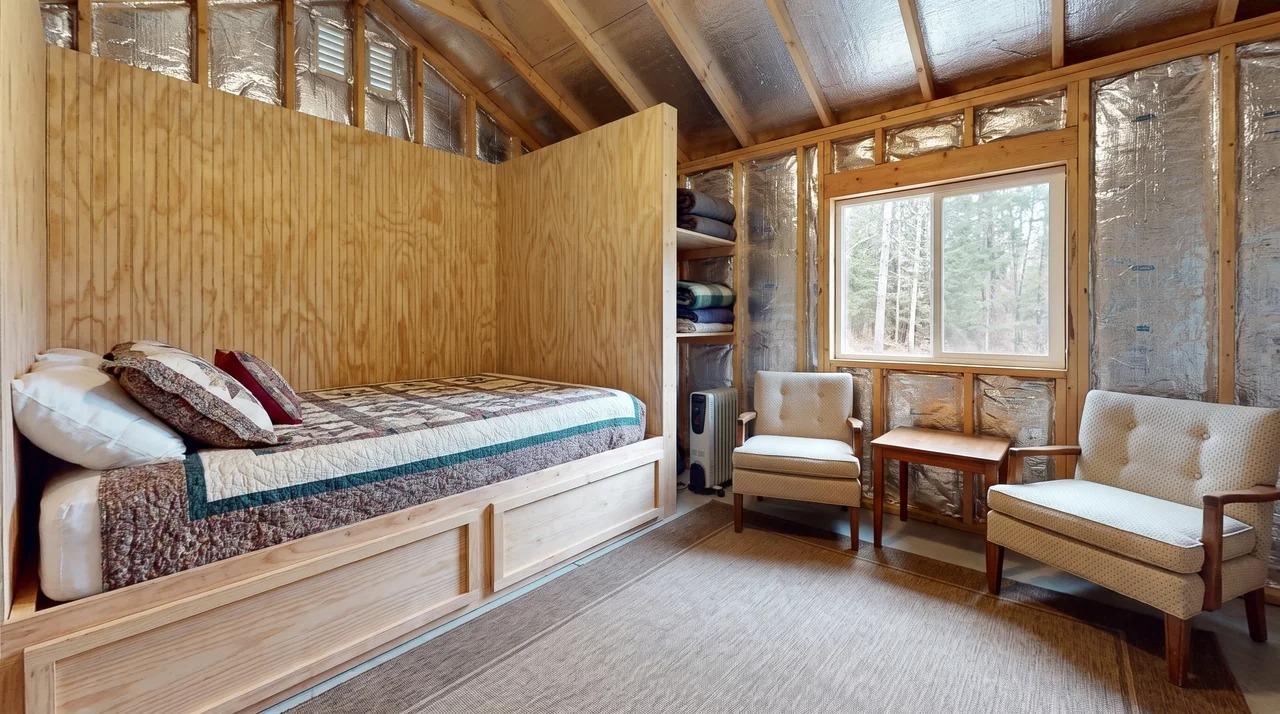
A shed used as a tiny guest room or multipurpose retreat should be at least 12×16. This allows a sleeping area, small sitting space, and a little room to move around.
Add a window for ventilation and some insulation for comfort. Shed conversions like this are popular and practical when built to the right scale.
Shed Dimensions by Backyard Size
Your yard size should guide your shed size. A shed that is too big will dominate the space and leave little room for anything else.
Here is a general rule:your shed should not take up more than 10 to 15 percent of your usable backyard space. If your backyard is 40×50 feet, that is 2,000 square feet. A shed in that yard should be no larger than 200 to 300 square feet, roughly a 12×16 or 14×20.
For smaller yards, keep the shed footprint tight. A 30×30 yard can handle a 10×10 or 10×12 comfortably. Anything larger starts to feel cramped.
Leave a path around the shed for access and maintenance. A minimum of 18 to 24 inches of clearance on each side is a good baseline.
Most local setback requirements also specify a minimum distance from property lines, so check those before placing your shed.
Shed Dimension Comparison
This table gives you a side-by-side look at small, medium, and large sheds so you can spot the right fit fast.
| Category | Small (6×8 to 8×12) | Medium (10×10 to 12×16) | Large (12×20+) |
| Square Footage | 48 to 96 sq ft | 100 to 192 sq ft | 240 to 512 sq ft |
| Best For | Basic storage | Mixed storage and light use | Workshops, studios, gyms |
| Permit Needed | Usually not | Sometimes | Usually yes |
| Cost Range | Lower | Moderate | Higher |
| Foundation Type | Gravel or piers | Gravel or concrete | Concrete slab |
| Ideal Backyard Size | Under 1,000 sq ft | 1,000 to 2,500 sq ft | 2,500+ sq ft |
Common Mistakes When Choosing Shed Dimensions
Even experienced homeowners make these mistakes when planning a shed.
- Going too small. Most people underestimate how much they will store. They fill their first shed within a year and wish they had gone bigger from the start.
- Ignoring permit requirements. Some areas require permits for sheds over 100 or 120 square feet. Building the wrong size can lead to fines or forced removal.
- Forgetting walkway clearance. A shed placed too close to a fence or wall becomes hard to maintain and limits access from the sides.
- Skipping the height measurement. Floor space gets all the attention, but low ceilings make a shed feel cramped and limit what you can store vertically. Taller walls also allow for a loft, which can double your storage capacity.
- Not planning for future use. A shed built for garden tools today may become a workshop in a few years. Building to your future needs now saves money later.
Foundation Requirements Based on Shed Dimensions
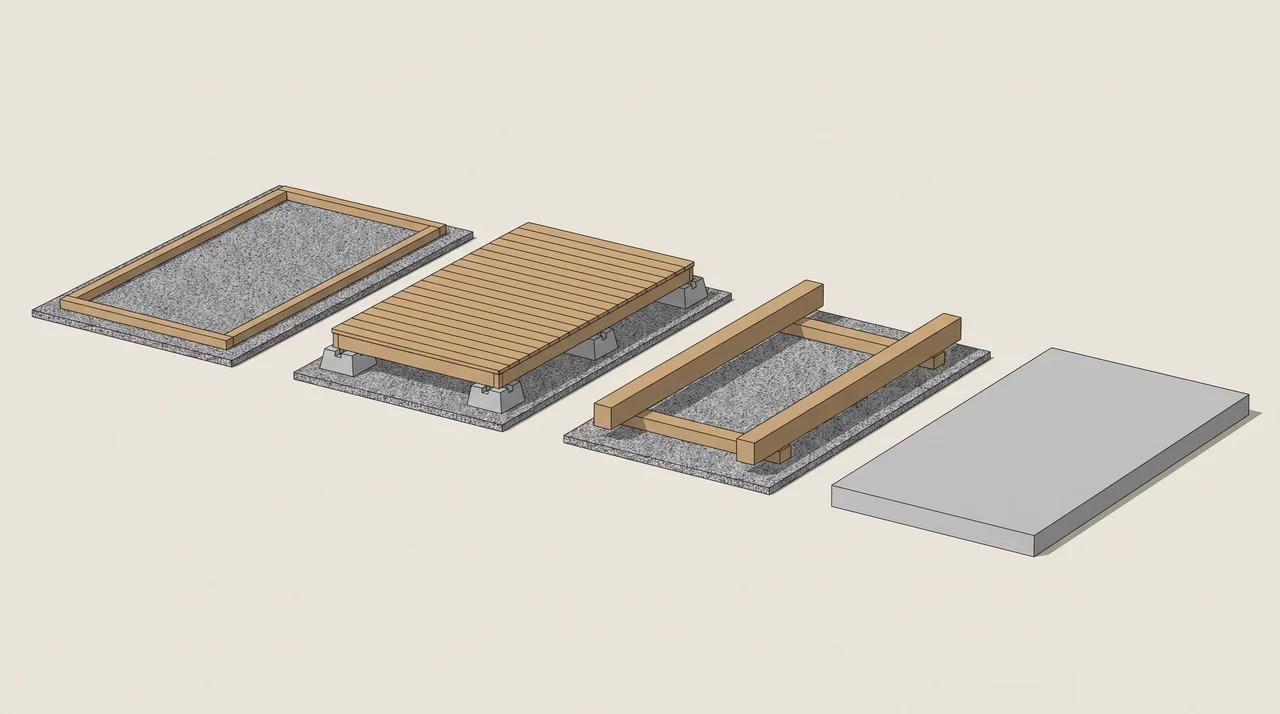
The right foundation depends on your shed size and how you plan to use it.
Small sheds under 100 square feet work fine on a gravel base or concrete deck blocks. These are affordable and easy to install.
Medium sheds between 100 and 200 square feet do better with a pressure-treated skid foundation or a gravel pad with pressure-treated framing. This keeps the floor level and reduces moisture. Raise the base at least 6 inches off the ground to prevent rot.
Large sheds over 200 square feet need a concrete slab. A 4-inch slab works for most sheds. Rebar is only needed for very heavy loads or unstable soil.
Always keep the foundation a few inches above grade to stop water from pooling underneath.
Expert Tips for Choosing the Perfect Shed Dimension
These five tips can save you from a costly mistake before you buy.
- Always measure your largest item first. That one piece, whether it is a riding mower, workbench, or kayak, sets the minimum footprint everything else must work around.
- Check your local zoning codes before buying. Setback requirements, height limits, and permit thresholds vary widely by area. The National Zoning Atlas is a good free resource to start with.
- Visit a shed lot or showroom in person. Photos online rarely capture how a 10×12 feels inside. Standing in it changes your perspective completely.
- Think about door placement and swing direction. Double doors and wider openings make it far easier to move equipment in and out without frustration.
- Plan for at least one wall of shelving. Building vertical storage into your layout from day one gives you significantly more usable space without adding to the footprint.
Conclusion
Getting the right shed dimension comes down to knowing your space, your storage needs, and how you plan to use the shed long-term.
A little planning now saves a lot of regret later. Start by measuring what you need to store, check your yard size, review setback rules in your area, and think one size ahead.
The goal is a shed that works for you now and still works two years from now.
If this guide helped you think through your options, share it with someone planning a shed or drop a comment below with the size you picked and why.
Your experience could help someone else make the right call.
Frequently Asked Questions
What is the most popular shed dimension for a standard home?
The 10×12 shed is one of the most common choices. It offers enough storage for most homeowners without taking up too much yard space.
Can I build a shed without a permit?
It depends on your location. Many areas allow sheds under 100 to 120 square feet without a permit, but rules vary by city or county.
How much space should I leave around a shed?
Leave at least 18 to 24 inches on each side for maintenance access. More clearance is better near fences or trees.
What is the minimum shed size for a riding mower?
A riding mower needs at least a 10×12 shed. Add extra room for turning radius and additional equipment storage alongside it.