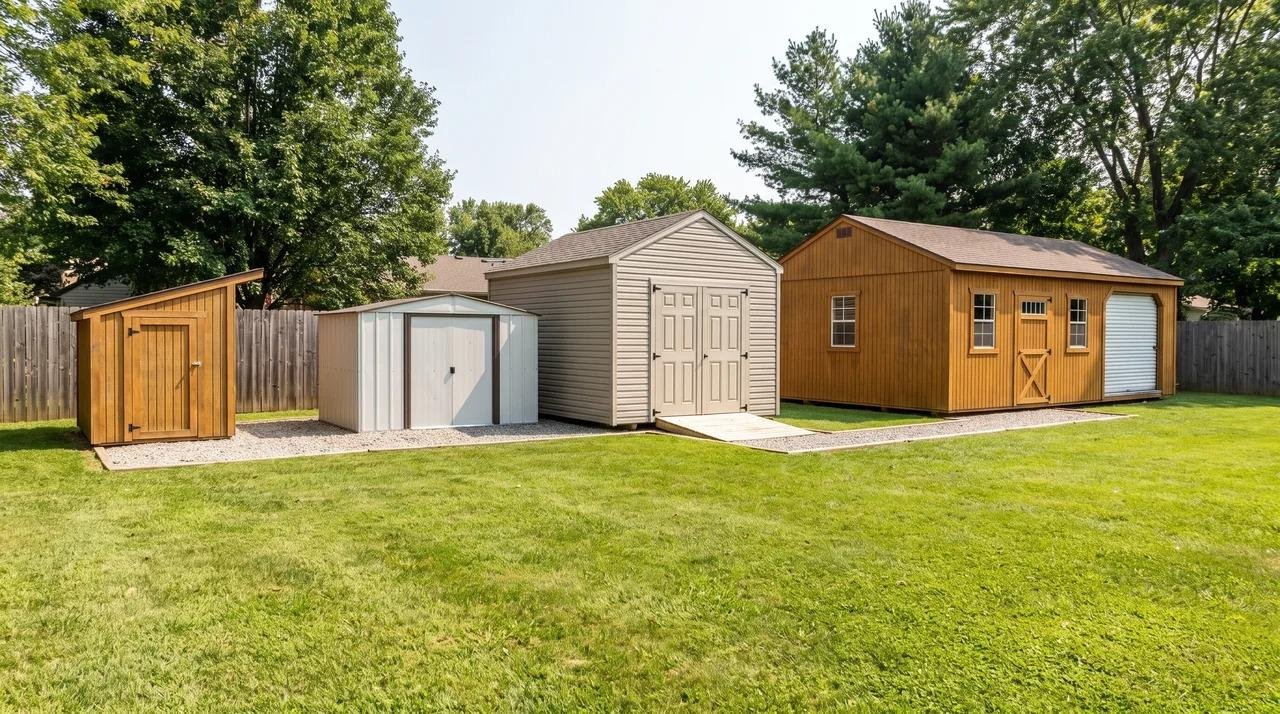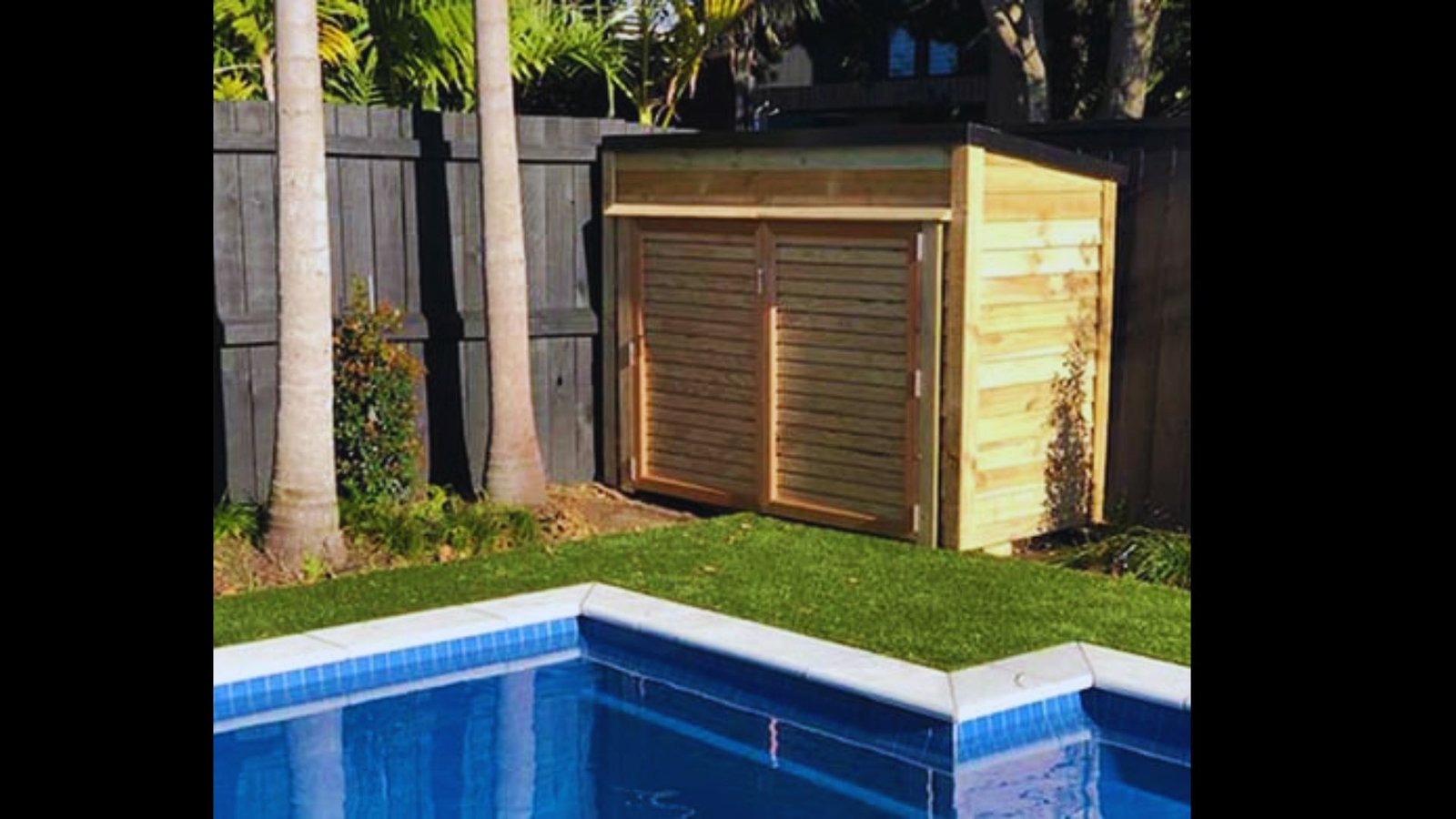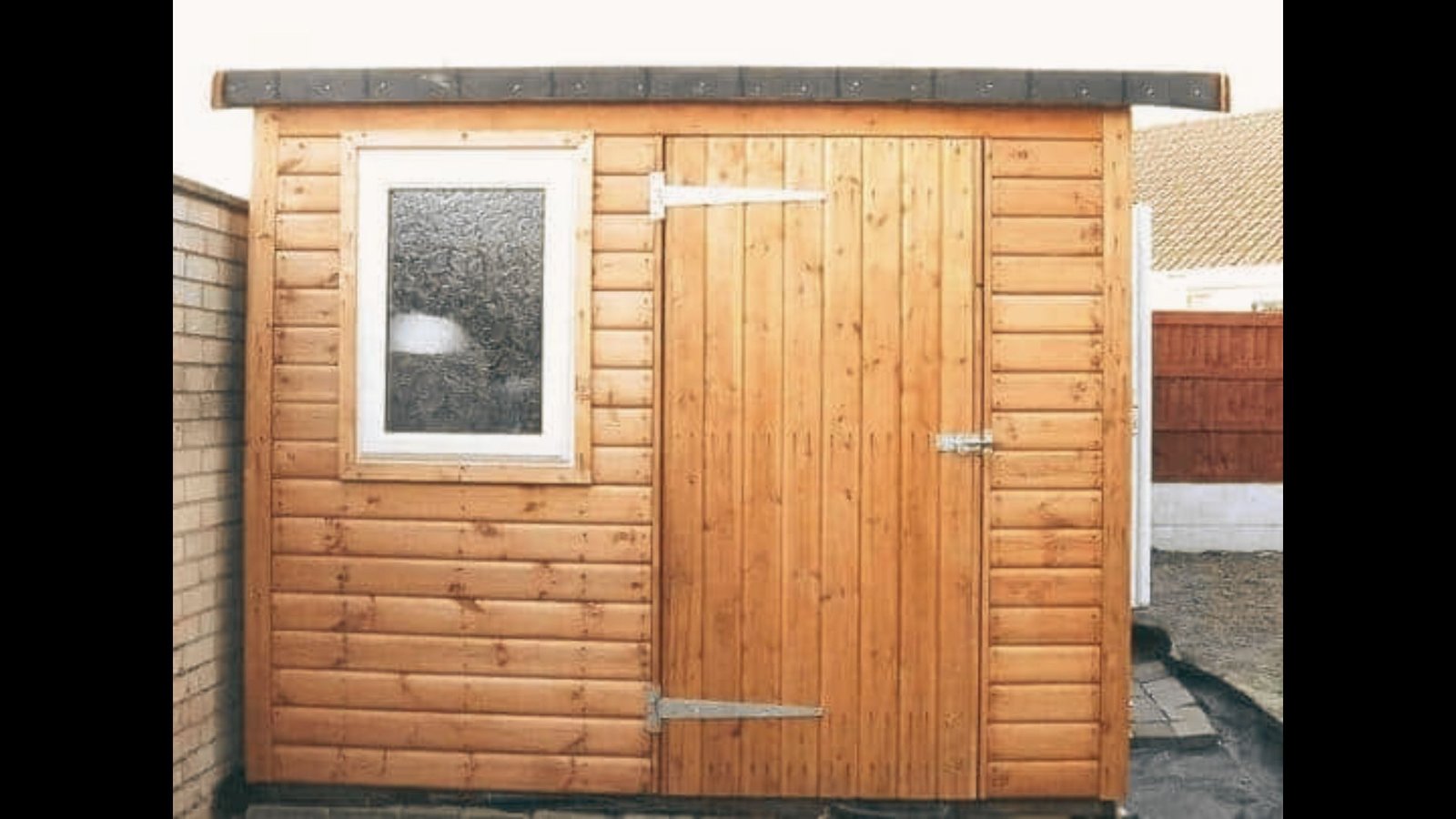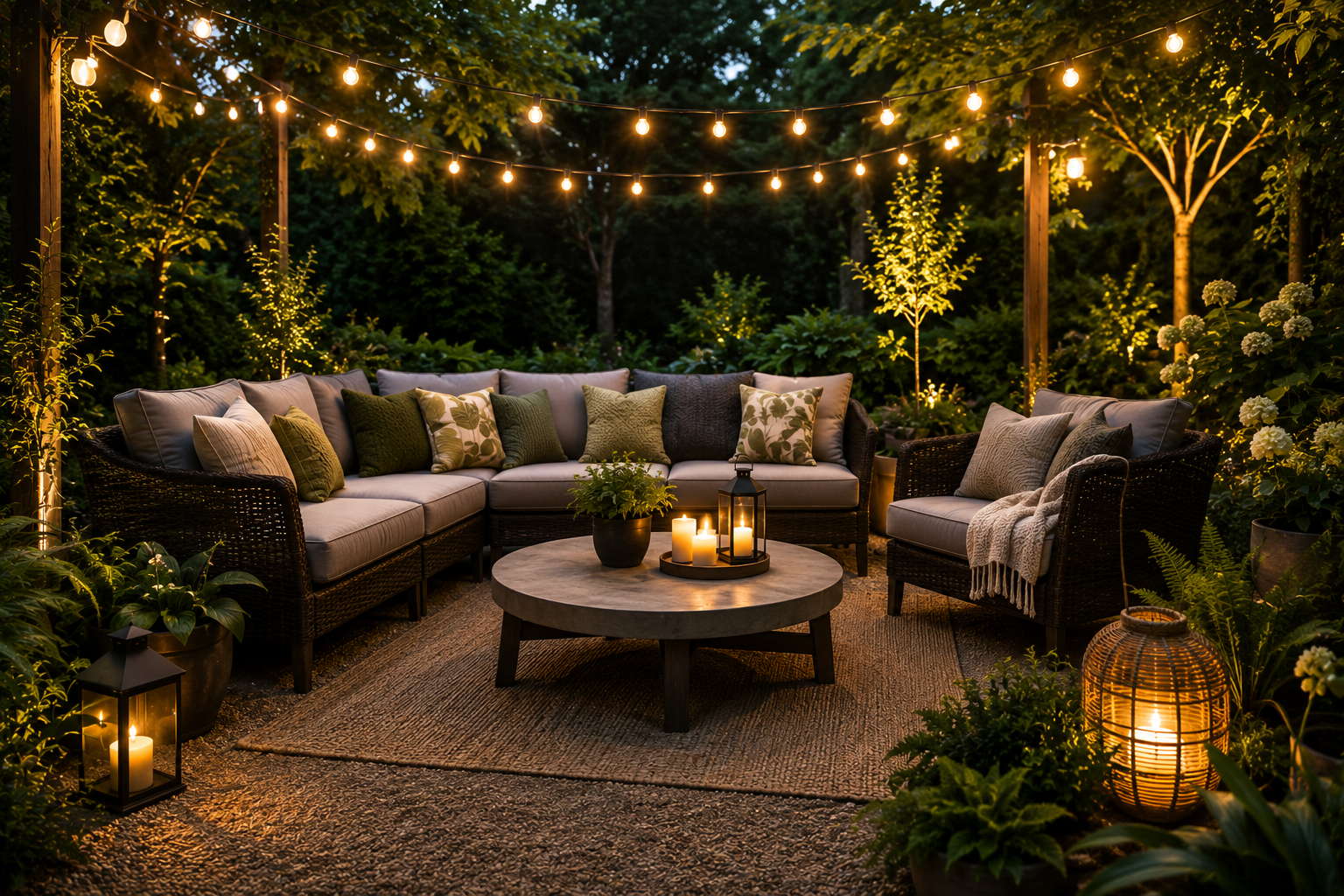
A shed sitting empty in your yard is wasted space. This guide shows you how to turn that shed into a room you actually use, whether it becomes an office, a gym, or a quiet spot to unwind. You'll learn about layout, storage, flooring, lighting, and heating and cooling, with clear steps you can follow today.
This article covers practical ideas that fit your space and your budget, so you can get started this weekend instead of guessing your way through the project.
Why the Right Inside Shed Design Matters
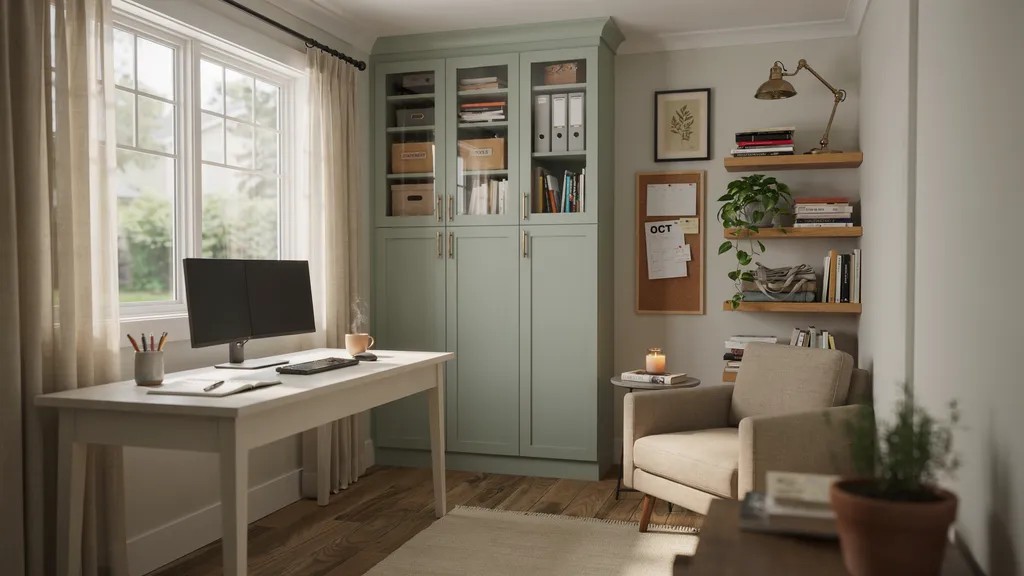
Your shed is not just storage. It can become extra living space without the cost of a home addition, and the right design keeps it comfortable in every season and makes it a place you actually want to spend time in.
Skip the planning stage and you end up with a cluttered box instead of a functional room, get it right from the start and your shed pays you back for years.
Plan Your Inside Shed Before You Start
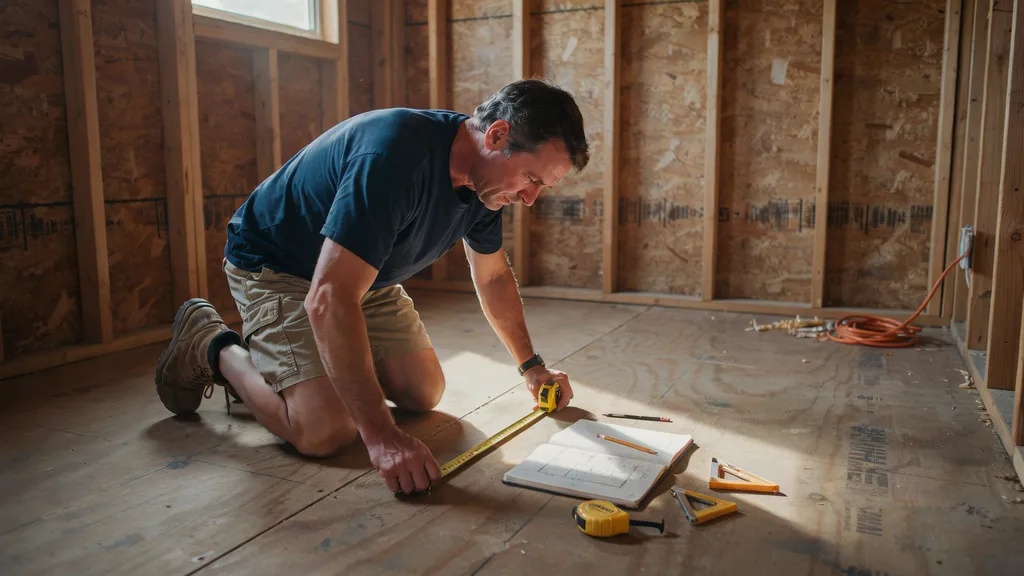
A little planning now saves you money and headaches down the road.
Decide How You Will Use the Shed
Before you buy a single board, decide what the shed is for. An office needs outlets and quiet, while a gym needs open floor space and good airflow.
Write down your main use first, then build every other decision around it. Break the space into zones too, one spot for work, one for storage, one for relaxing.
This keeps everything organized even in a small shed.
Measure the Space and Create a Layout
Grab a tape measure and get the exact dimensions of your shed. Sketch a simple layout on paper before you commit to anything, marking doors, windows, and outlets.
This helps you spot problems, like a door that swings into your desk, before they cost you money.
Set a Realistic Budget
Sheds can get expensive fast if you do not set limits early. List out flooring, insulation, electrical work, and furniture, then assign a rough cost to each item.
Basic electrical work alone can run a few hundred dollars, while insulation and flooring can add up fast depending on materials.
Leave a little extra room in your budget for surprises, because there are always a few.
Inside Shed Ideas for Different Uses
Your shed can become almost any room you need, you just have to pick a direction.
1. Home Office Shed
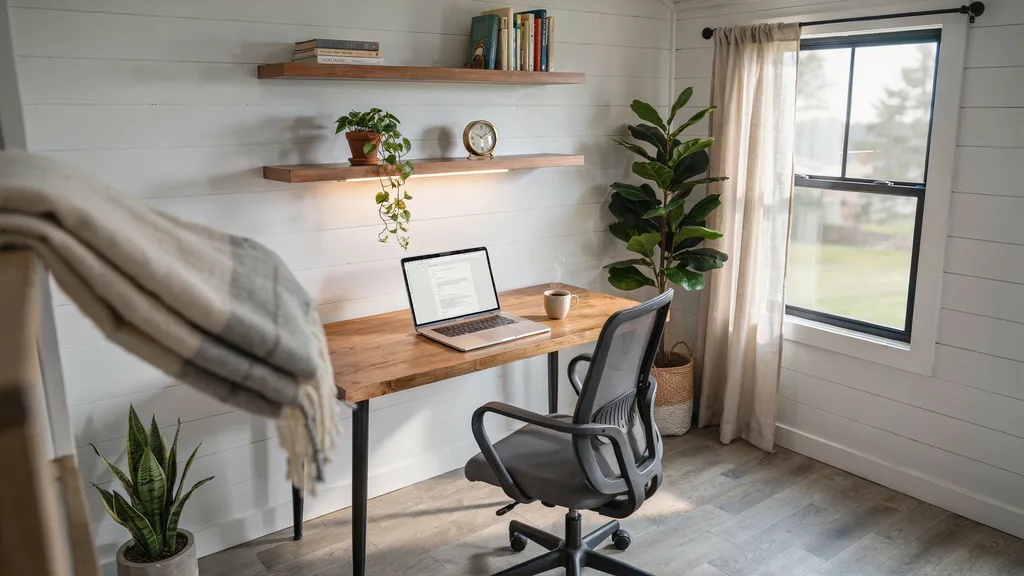
A shed office gives you quiet space away from the main house. Add a solid desk, good lighting, and a fast internet connection to make it work.
Keep the layout simple so you can focus on work without distraction.
2. Garden Shed
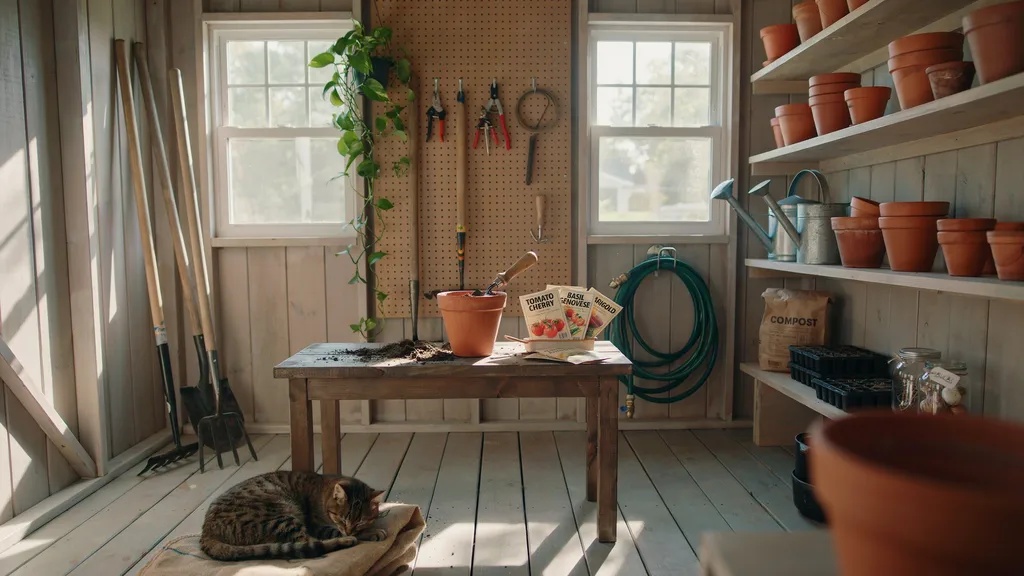
A garden shed keeps your tools, pots, and soil organized in one place. Add hooks and shelves near the door for quick access when you need them most.
Keep a small potting bench inside for easy work during planting season.
3. Workshop Shed
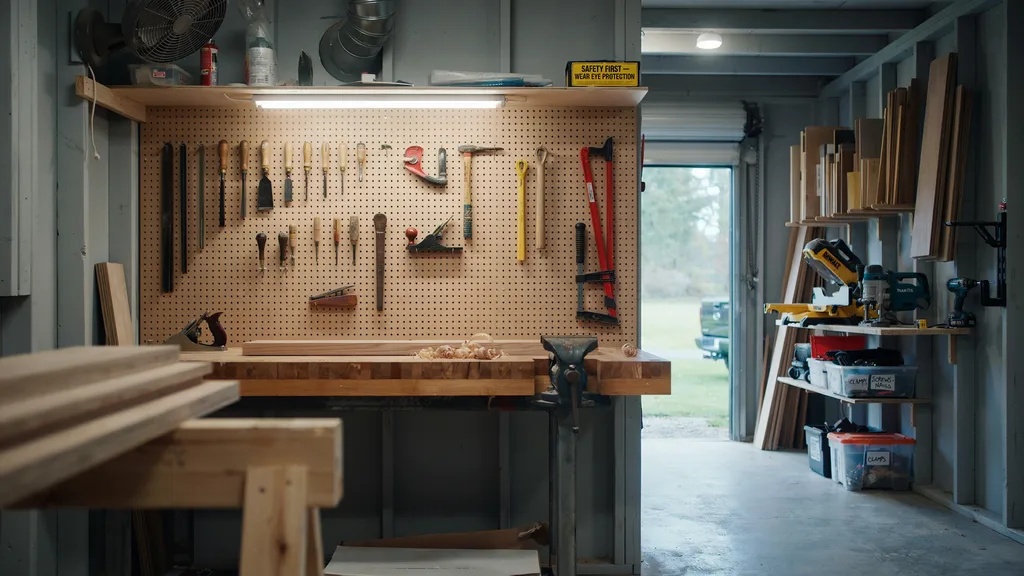
A workshop shed needs sturdy workbenches and plenty of outlets. A built-in workbench holds up better than a folding table if you use tools often.
Store your tools within easy reach using pegboards or wall racks near your main work area. Good ventilation matters here since sawdust and fumes build up fast.
4. Hobby or Craft Room
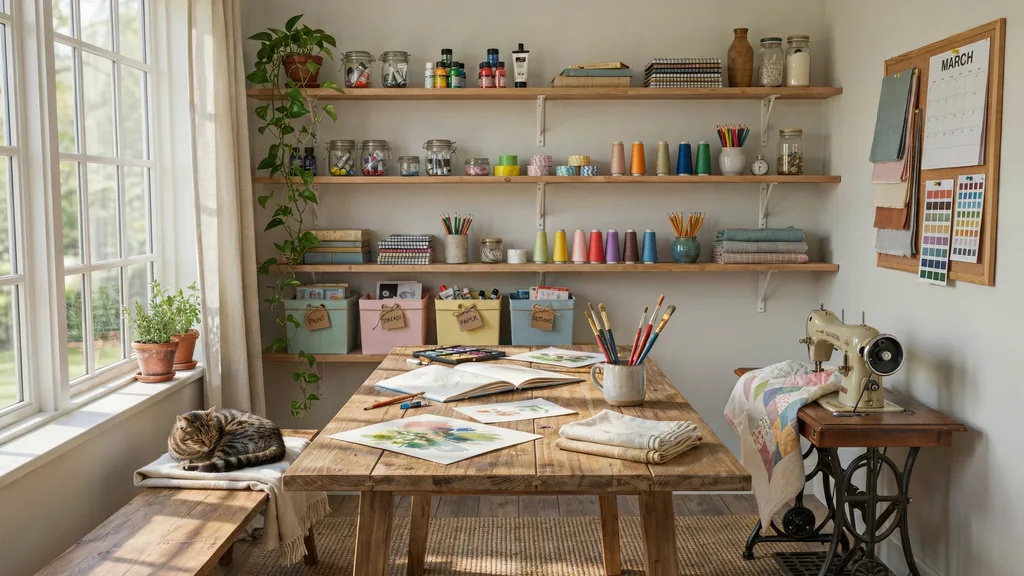
Turn your shed into a craft room with a large table and open shelving. Store supplies in labeled bins so nothing gets lost when a project runs long.
Natural light from a window helps a lot with detailed work like painting or sewing.
5. Home Gym Shed
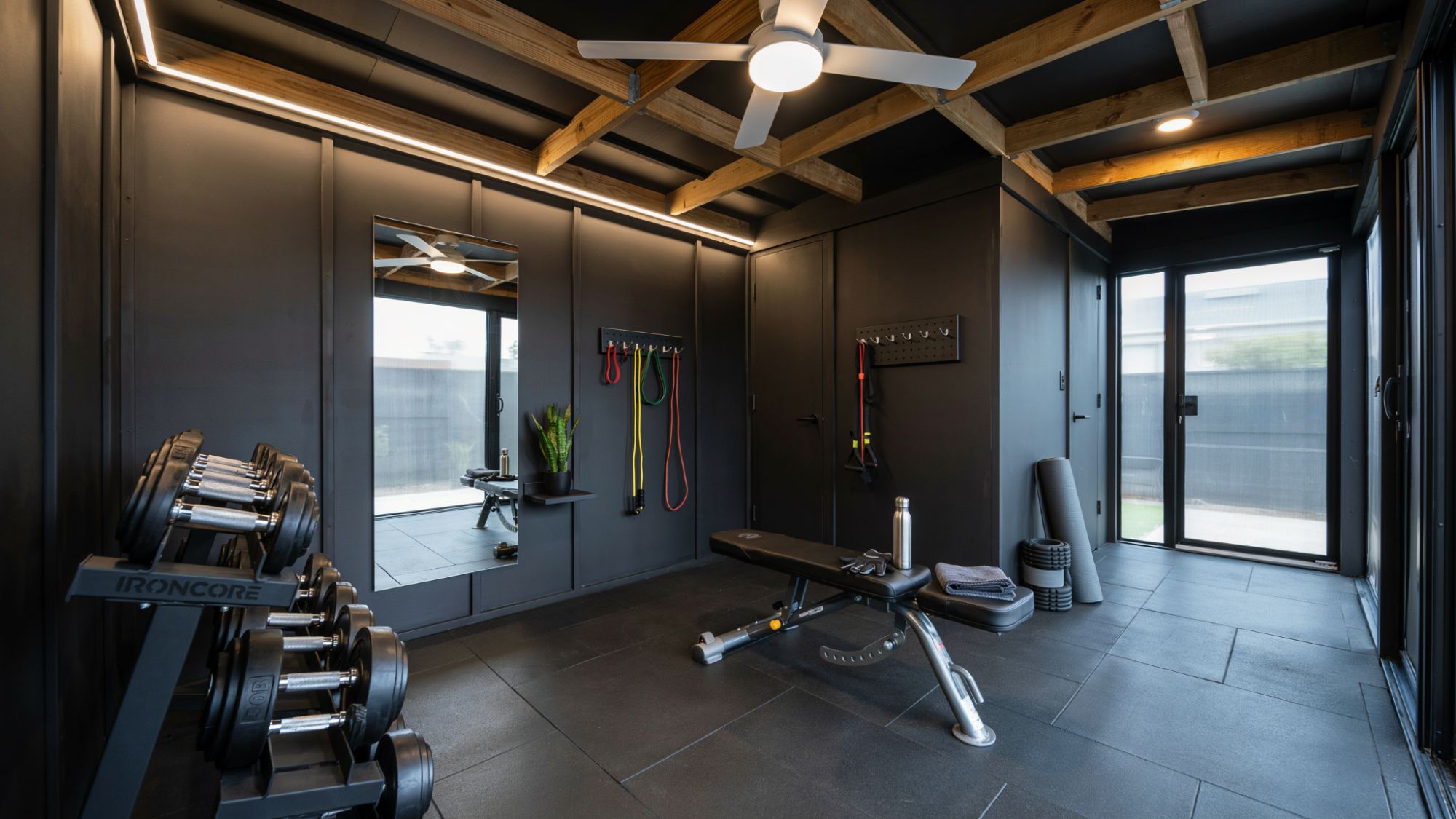
A shed gym gives you privacy and space to sweat without waiting for equipment. If you plan to add heavy equipment, check that your subfloor can handle the weight before you start.
Rubber flooring protects both your gear and the floor underneath during heavy use. Add a mirror and a fan to keep the space practical and comfortable.
6. Relaxing She Shed or Man Cave
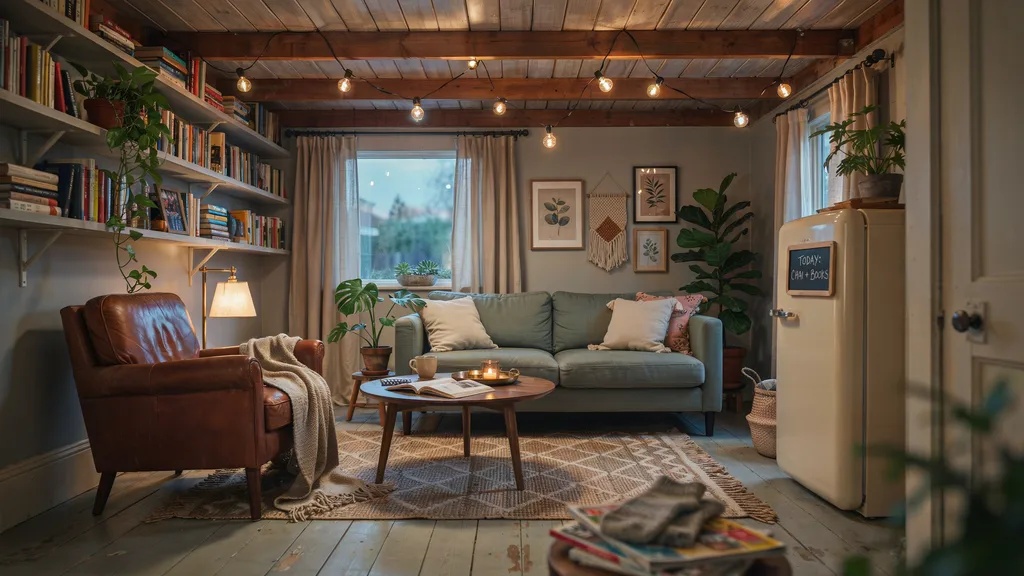
This type of shed is built for downtime. Add comfortable seating, a small fridge, and personal touches like art or a favorite chair to make it feel like your own.
Keep the mood relaxed with warm lighting and soft colors.
7. Storage-Focused Shed
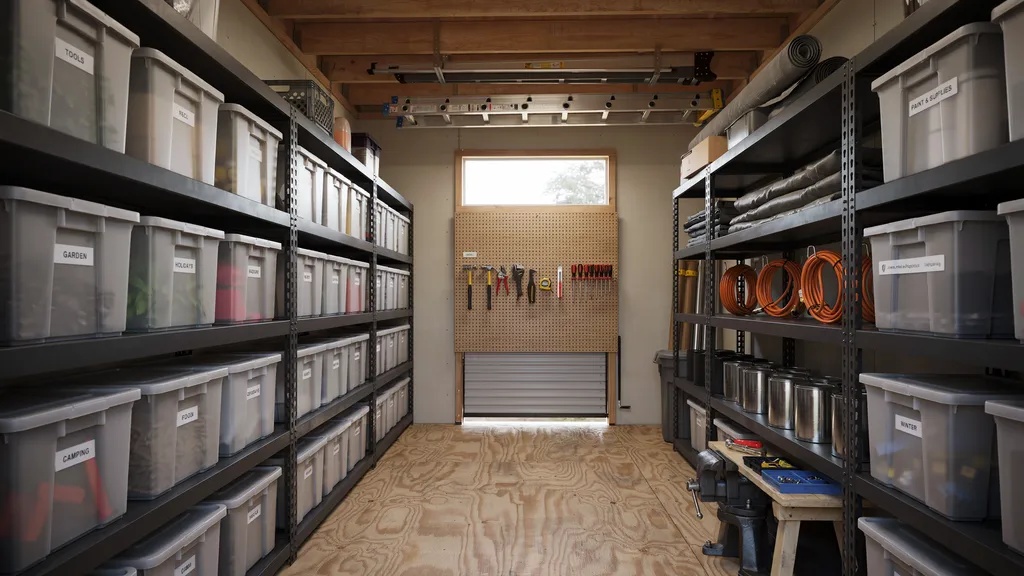
Sometimes you just need more room to store things. Shelving units and stackable bins make the most of every square foot without wasting space.
Keep a clear path down the middle so you can reach items in the back.
Smart Storage Ideas for an Inside Shed
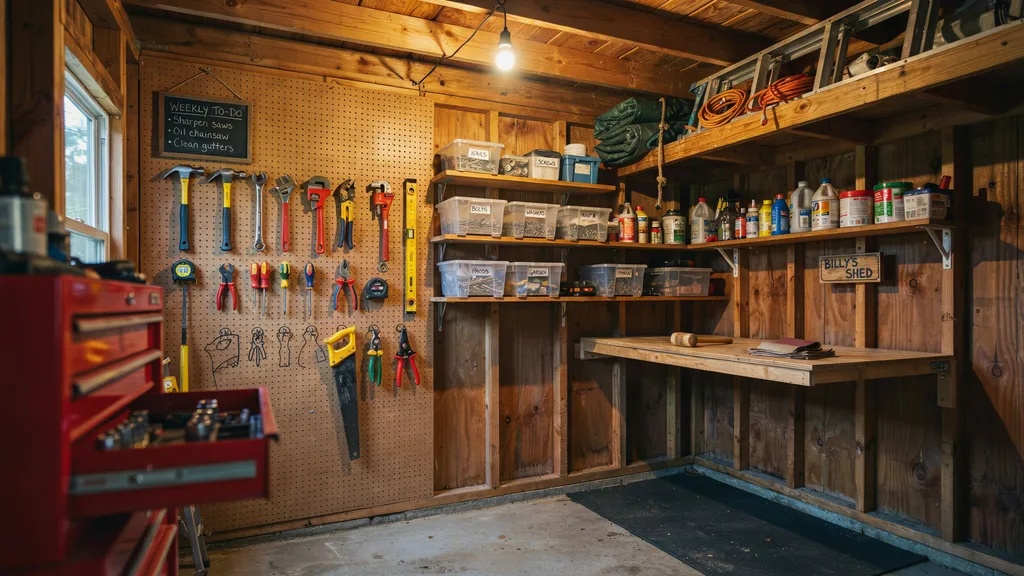
Smart storage keeps your shed useful instead of turning it into a junk pile.
Wall-Mounted Shelving
Wall shelves free up your floor space right away. Install them at different heights to fit both small and large items with ease.
This works well in almost any shed, no matter what you use it for.
Pegboards for Tools and Accessories
Pegboards keep tools visible and within reach. You can rearrange hooks anytime your needs change without any real cost.
This setup works great for workshops, garden sheds, and craft rooms alike.
Ceiling Storage and Overhead Lofts
Overhead storage uses space you would otherwise waste. Store seasonal items or things you rarely need up high and out of the way.
Just make sure the loft can hold the weight before you load it up.
Storage Cabinets and Bins
Closed cabinets keep clutter out of sight and dust off your items. Clear bins let you see contents without opening every box on the shelf.
Label everything so you are not searching for an hour later.
Fold-Down Tables to Save Space
A fold-down table gives you a work surface without eating up floor space. Fold it flat when you are done for the day to free up the room.
This works great in small sheds where every foot counts.
Best Flooring Options for an Inside Shed
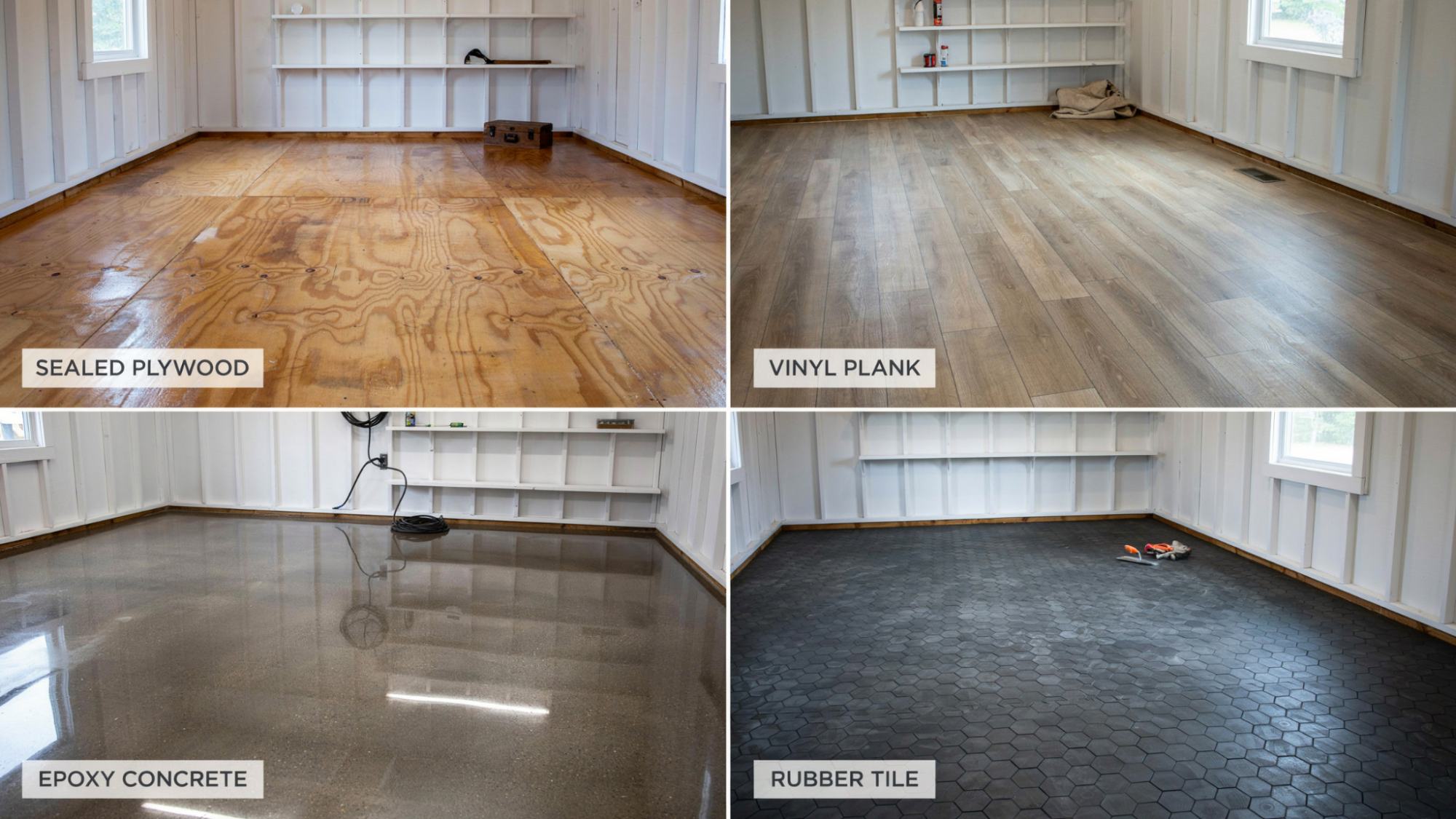
The right flooring depends on how you plan to use your shed every day.
Sealed Plywood
Sealed plywood is a budget option that still holds up well. A few coats of sealant protect it from moisture and everyday wear.
This works fine for storage sheds or light use spaces.
Vinyl Plank Flooring
Vinyl plank flooring looks good and resists water damage. It installs fairly easily, even for a first-timer with basic tools.
This option works well for offices, craft rooms, and relaxing spaces.
Epoxy-Coated Concrete
Epoxy coating gives concrete floors a tough, easy-to-clean surface. A vapor barrier under the coating stops moisture from creeping up through a concrete slab.
It holds up under heavy tools and equipment without cracking or staining. Workshops and garages benefit the most from this option.
Rubber Flooring for Gyms and Workshops
Rubber flooring absorbs impact and protects your joints during workouts. It also muffles noise from dropped weights or tools hitting the ground.
This makes it a solid pick for gyms and busy workshops.
Wall and Ceiling Finish Ideas
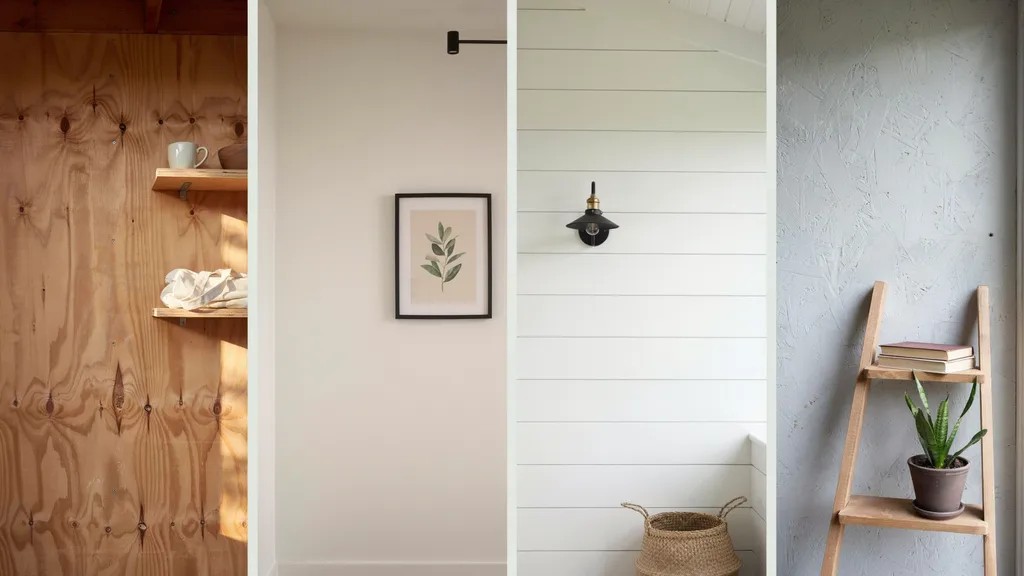
Your wall and ceiling finish sets the tone for the whole room.
Plywood Panels
Before you hang any panels, make sure your framing has enough blocking in the corners and seams to give you something solid to nail into.
Plywood panels give your shed a warm, natural look. They are simple to install and hold up over time with little upkeep. This finish works well in workshops and craft spaces.
Drywall
Drywall gives your shed a finished, house-like feel. It takes paint well and creates a smooth surface for any room.
This option suits offices and relaxing spaces the most.
Shiplap
Shiplap adds texture and a cozy feel to any room. It works with both modern and rustic styles depending on your paint choice.
Many people choose this finish for she sheds and man caves.
Painted OSB
Painted OSB is a low-cost option that still looks decent. A coat of paint smooths out the rough texture and hides seams.
This works well for budget builds or storage-focused sheds.
Lighting and Electrical Ideas
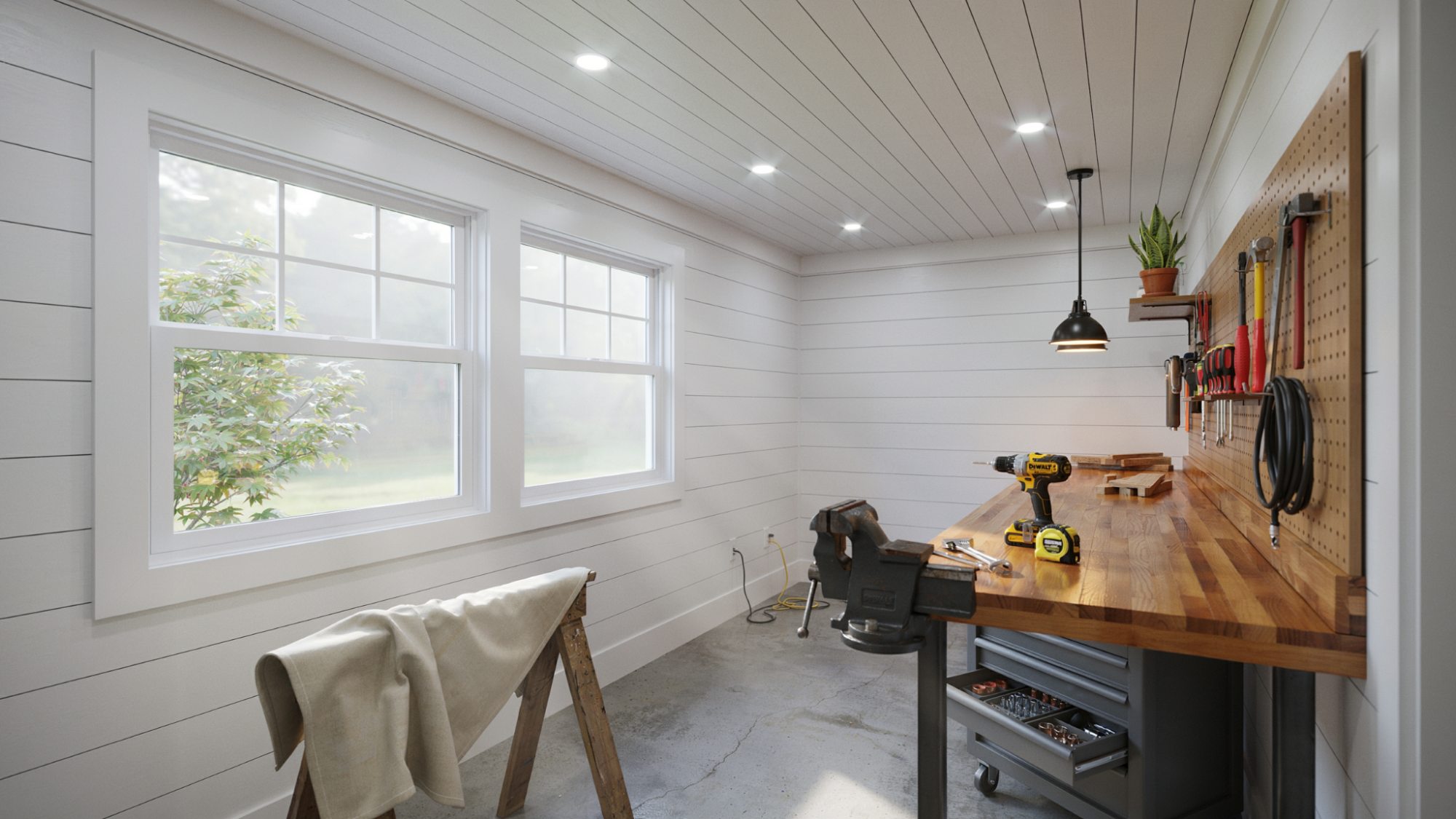
Good lighting makes your shed feel like a real room instead of a dark box.
Natural Light With Windows
Windows bring in free light and make small spaces feel bigger. A skylight or a set of double doors can bring in even more light than a single window.
Pick a spot that avoids direct afternoon sun if you work near a screen. Add curtains or blinds for privacy when needed.
LED Ceiling Lights
LED lights use less power and last much longer than old bulbs. Install a few across the ceiling for even light in every corner.
This helps in any shed, no matter its purpose.
Task Lighting for Work Areas
Task lighting focuses light exactly where you need it. Add a desk lamp or under-shelf light near work areas that need extra focus.
This reduces eye strain during detailed tasks.
Electrical Outlets in the Right Places
Plan your outlets around where you will actually use power. This usually means running wiring back to a breaker box, so plan that route early if you are adding power.
Add a few extra outlets since you will likely need more than you think. Hire an electrician if you are not confident doing this yourself.
Heating, Cooling, and Insulation Tips
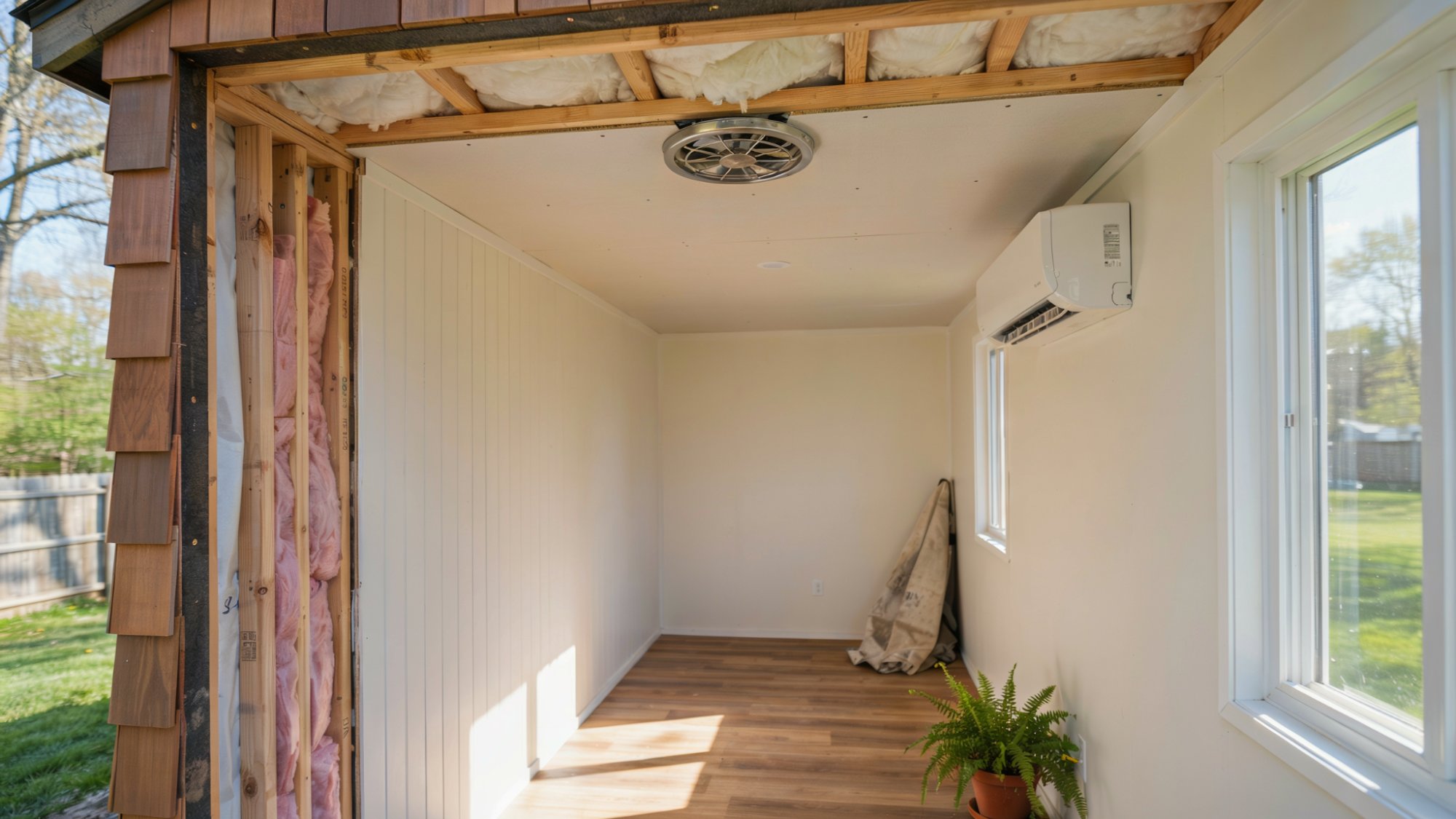
Comfort control makes the difference between a shed you use daily and one you avoid.
Why Insulation Matters
Insulation keeps your shed comfortable in every season. Batt insulation is the budget-friendly pick, while spray foam costs more but seals gaps tighter.
Without it, the space gets too hot or too cold to use for long. This one step affects every other comfort choice you make.
Portable Heating Options
A small space heater works fine for mild climates. Choose one with safety shutoff features for peace of mind while you work.
This is often the cheapest way to add warmth.
Window AC vs. Mini-Split Systems
| Option | Cost | Noise Level | Efficiency | Best For |
| Window AC Unit | Cheap upfront | Louder | Lower over time | Occasional use, tight budgets |
| Mini-Split System | Higher upfront | Quieter | More efficient over time | Frequent use, long-term comfort |
Ventilation to Prevent Moisture
Good airflow stops mold and musty smells from building up. A vent fan or cracked window helps a lot, even in small spaces.
This step protects both your health and your belongings.
Decor Ideas to Make Your Shed Feel Like a Real Room
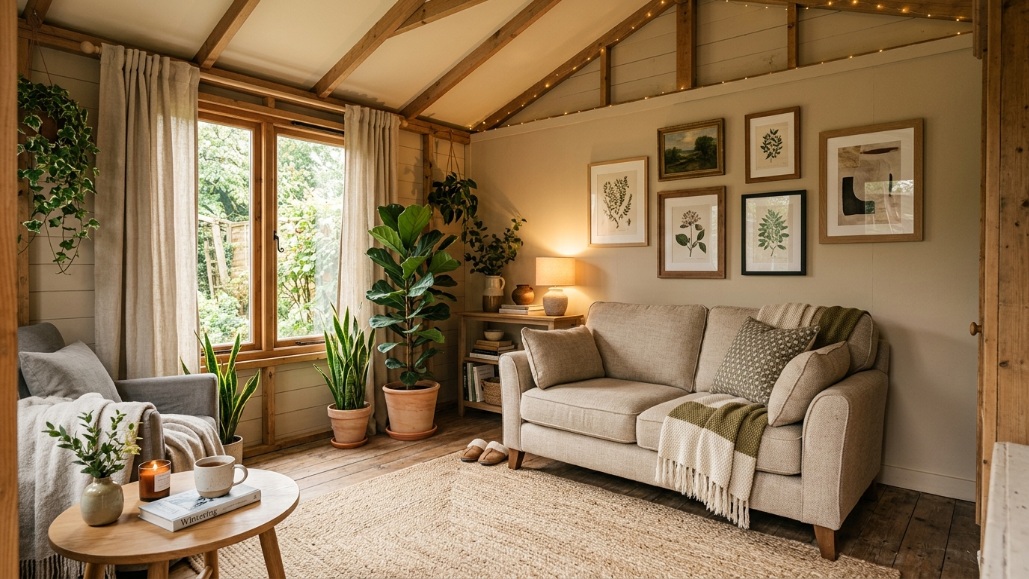
Small decor choices make your shed feel like part of your home, not an afterthought.
Paint Colors That Brighten Small Spaces
Light paint colors make small sheds feel bigger and brighter. Soft whites, pale blues, and light grays work well in almost any layout.
Dark colors can make a small room feel cramped fast.
Functional Furniture
Pick furniture that serves more than one purpose. A storage ottoman or a fold-out table saves space while adding function.
This matters a lot in a shed where every foot counts.
Rugs, Curtains, and Wall Decor
A simple rug adds warmth and softens hard floors. Curtains bring privacy and a personal touch without much cost.
A few pieces of wall decor make the space feel like your own.
Indoor Plants for a Fresh Look
Plants bring life into a small shed. Pick low-light varieties if your windows are limited or shaded. They also help freshen the air in a closed-up space.
Tips to Keep Your Inside Shed Organized
A few daily habits keep your shed from turning back into a storage dump.
- Do a seasonal declutter twice a year to clear out items you no longer need.
- Label every storage container so you always know what is inside.
- Keep frequently used items within arm's reach near the door.
- Use vertical space with shelves and hooks instead of piling things on the floor.
- Return items to their spot right after use, not at the end of the week.
Why Staying Organized Pays Off Long Term
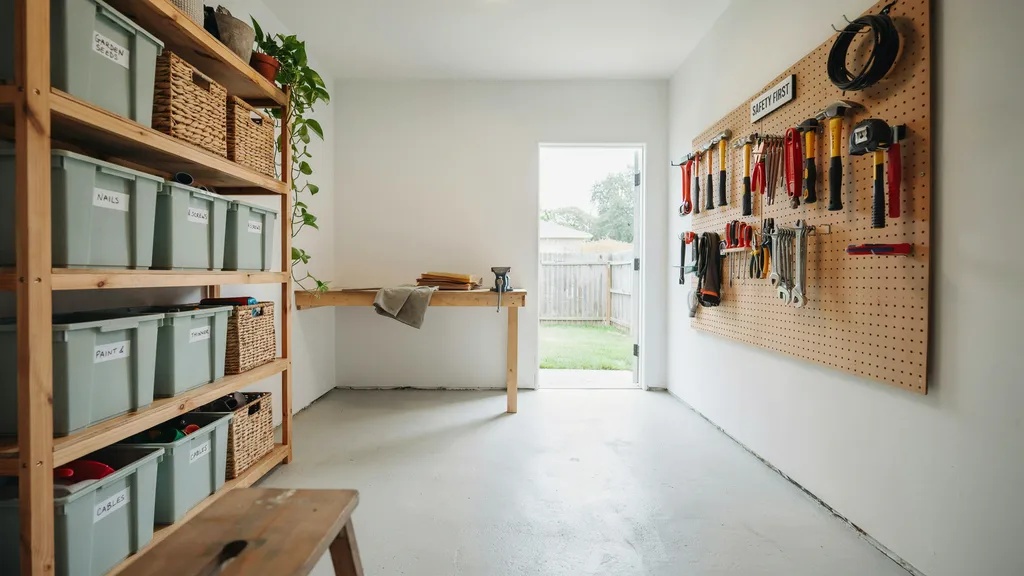
An organized shed saves you time and stress every time you walk in. You will spend less time hunting for tools or supplies and more time actually using the space.
Clutter also causes damage over time, since items get stacked wrong or left in damp corners.
A little upkeep each week keeps your shed working the way you planned it, instead of slowly turning back into a catch-all storage box.
Common Mistakes to Avoid
These common mistakes can turn a good shed project into a frustrating one.
- Ignoring storage needs and running out of space within months.
- Choosing poor lighting that makes the shed hard to use after dark.
- Skipping insulation and regretting it during the first heat wave or cold snap.
- Overcrowding the space with too much furniture or too many items.
- Skipping a real budget and running out of money halfway through the project.
Conclusion
You now have a full plan to turn your shed into a space you will actually use. I built my own shed office a few years back, and the extra quiet space changed my whole workday.
Start small, pick one idea from this guide, and build from there. Drop a comment below with your shed plans.
I would love to hear what you are working on. Share this post if it helped you get started.
Frequently Asked Questions
How much does it cost to convert a shed into usable space?
Costs vary widely based on size and finishes. A basic setup can cost a few hundred dollars, while a full office or gym conversion can run several thousand.
Do I need a permit to convert my shed?
Some areas require a permit for electrical work or major structural changes. Check your local building codes before you start any project.
What is the cheapest flooring option for a shed?
Sealed plywood is usually the most budget-friendly choice. It holds up well for storage or light-use spaces without a big cost.
Can I add electricity to my shed myself?
Basic outlet installation may be doable if you have experience, but wiring work is safer left to a licensed electrician. Faulty wiring creates real fire risks.
How do I keep my shed cool in summer without AC?
Good ventilation, insulation, and a few fans can keep temperatures manageable. Shade from nearby trees also helps reduce heat buildup during the day.