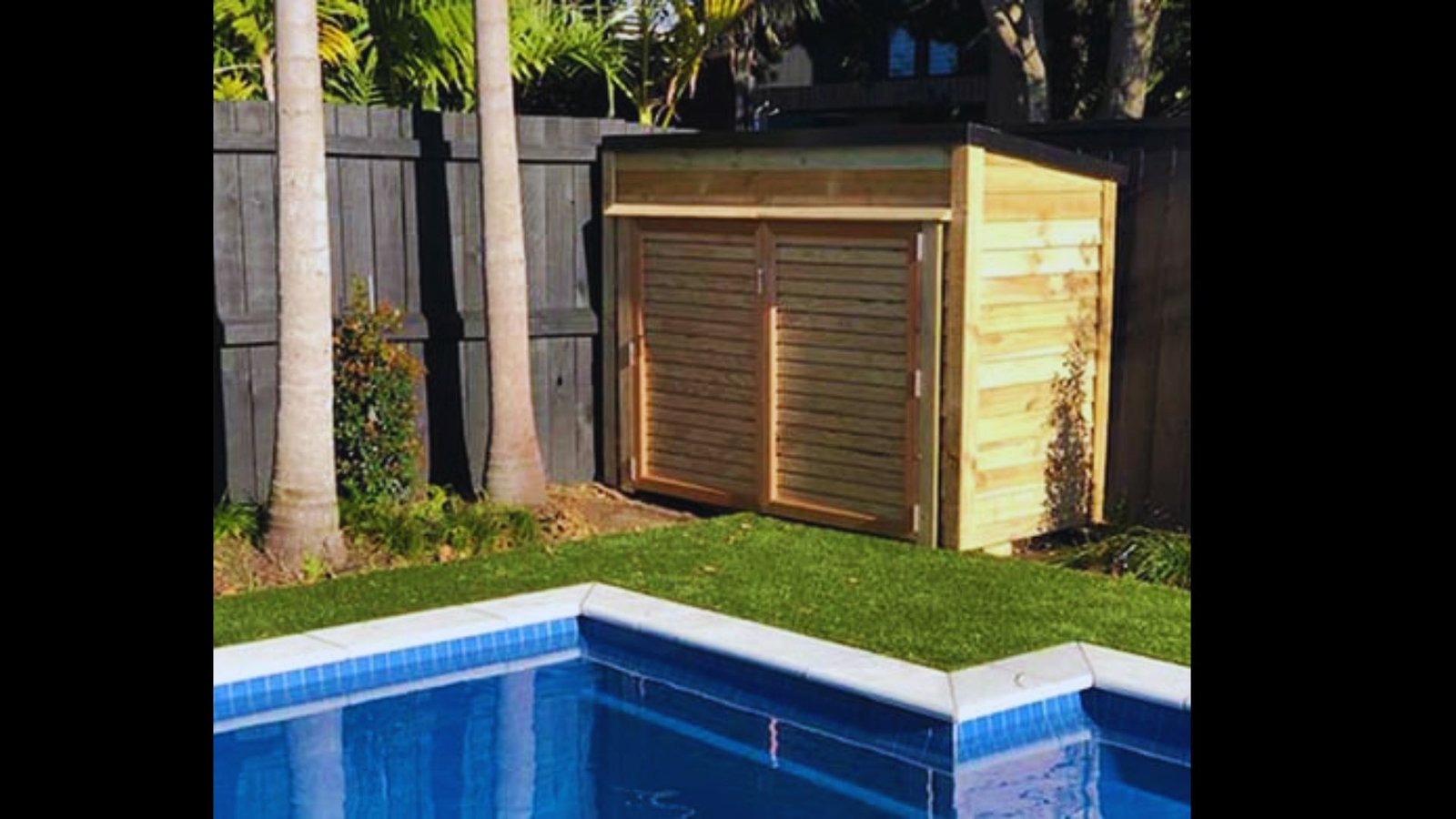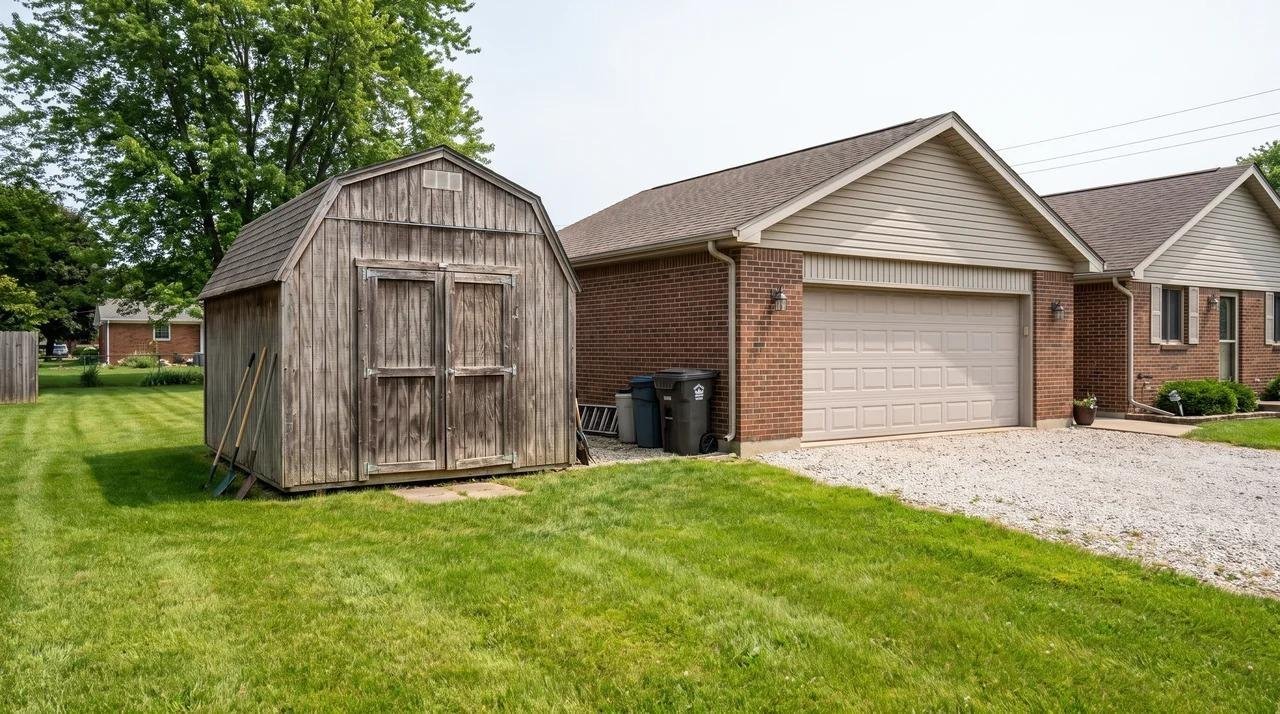
Still using the same worn-out door your shed came with, even though it sticks, lets in drafts, or barely locks?
You're not alone. Most people focus on the shed itself and treat the door as an afterthought, until it starts causing real problems.
The right shed door affects security, weather protection, and how easy the space is to use every day.
This guide walks through the main shed door types, materials, sizes, and design options available, plus practical features worth considering, so you can choose a door that actually works for your shed and your budget.
Why Your Shed Door Matters
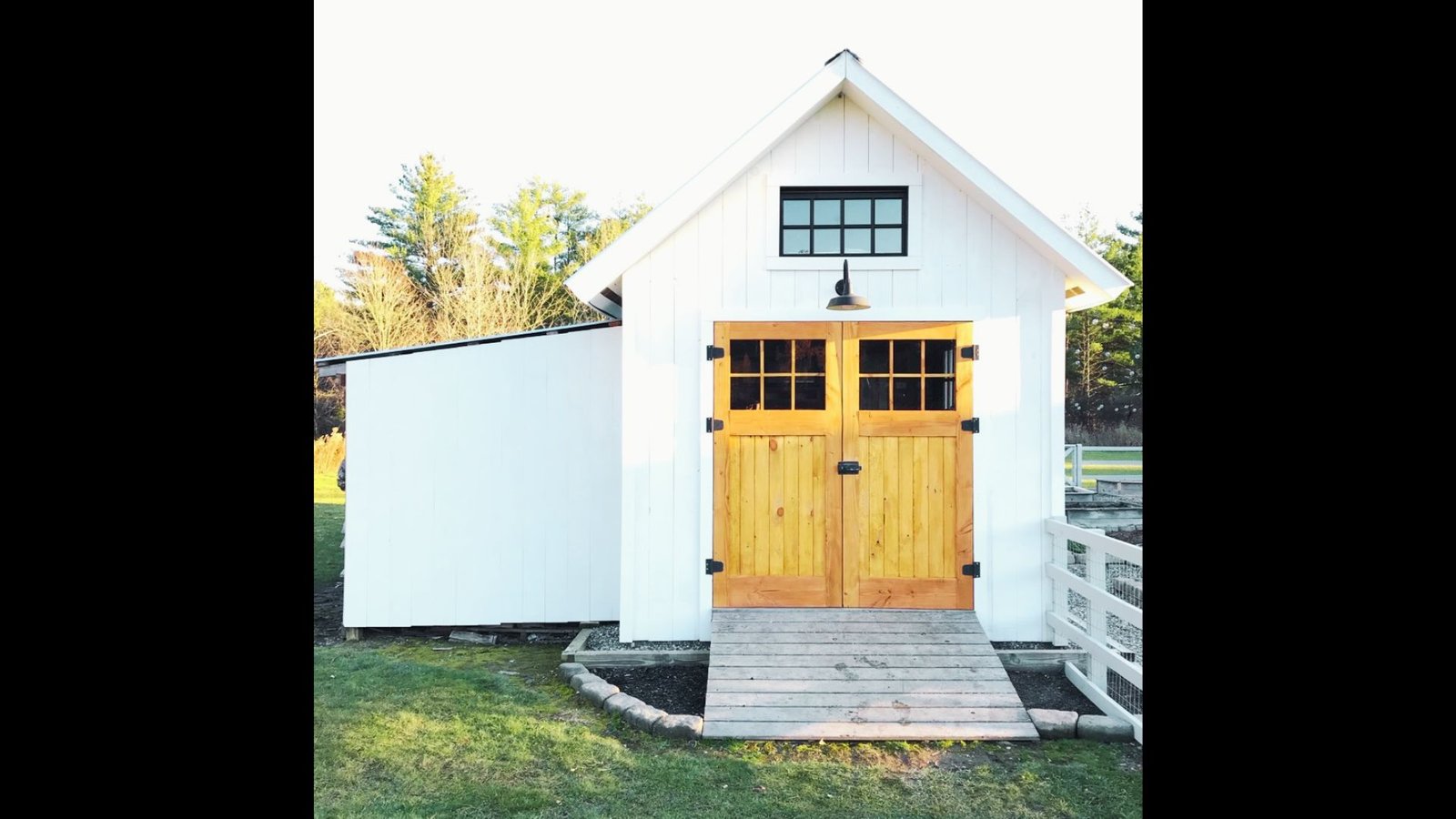
A shed door does more than open and close. It's the single feature that affects how well your shed protects everything inside it, and it shapes how easy the shed is to actually use day to day.
Function comes first here, even before appearance. A door that fits poorly or wears out fast can undo the value of an otherwise solid shed.
Security matters just as much, since a weak door is often the easiest way into a shed for anyone looking to break in, while a well-built one keeps tools, equipment, and bikes protected.
Accessibility plays a role too, especially if you're regularly wheeling in a mower or wheelbarrow through a narrow opening.
On top of that, the door takes the brunt of weather exposure, facing rain, wind, and sun more directly than almost any other part of the shed.
Getting all three of these right, function, security, and weather protection- is what separates a shed door that lasts from one that needs replacing within a few years.
Types of Shed Doors
Different shed doors suit different storage needs, so it helps to understand what each type offers before choosing one.
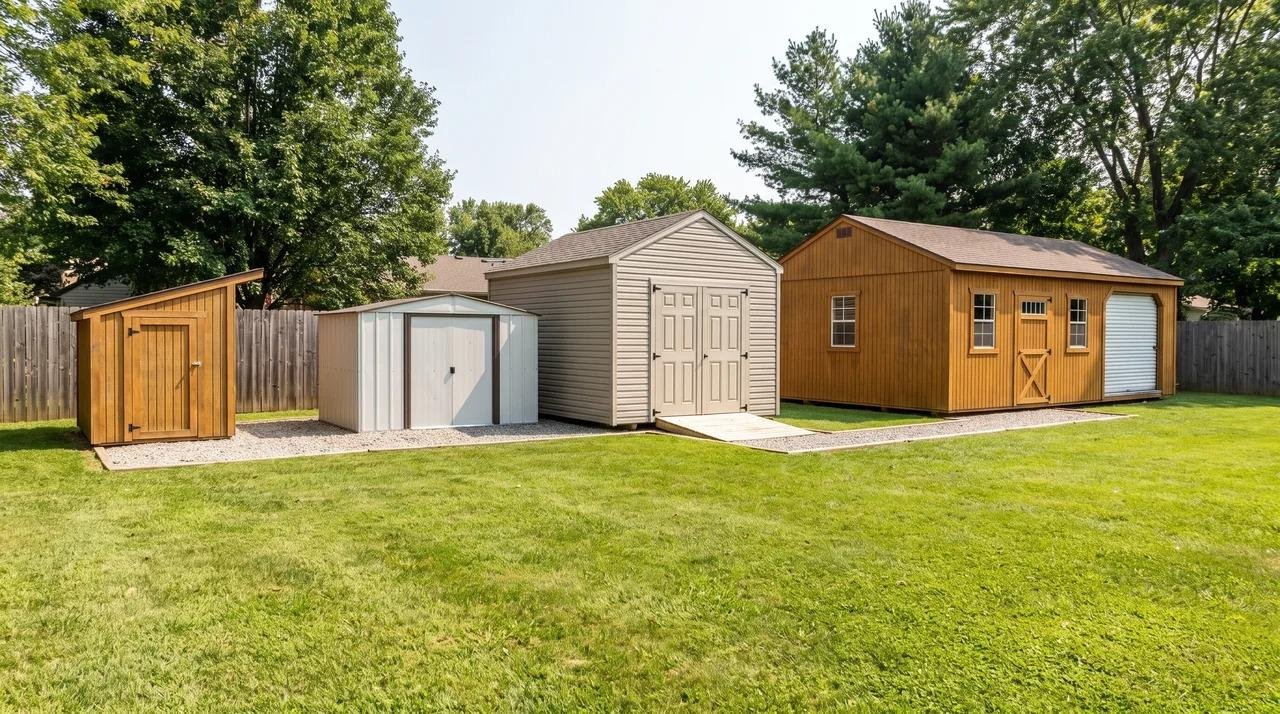
1. Single shed doors
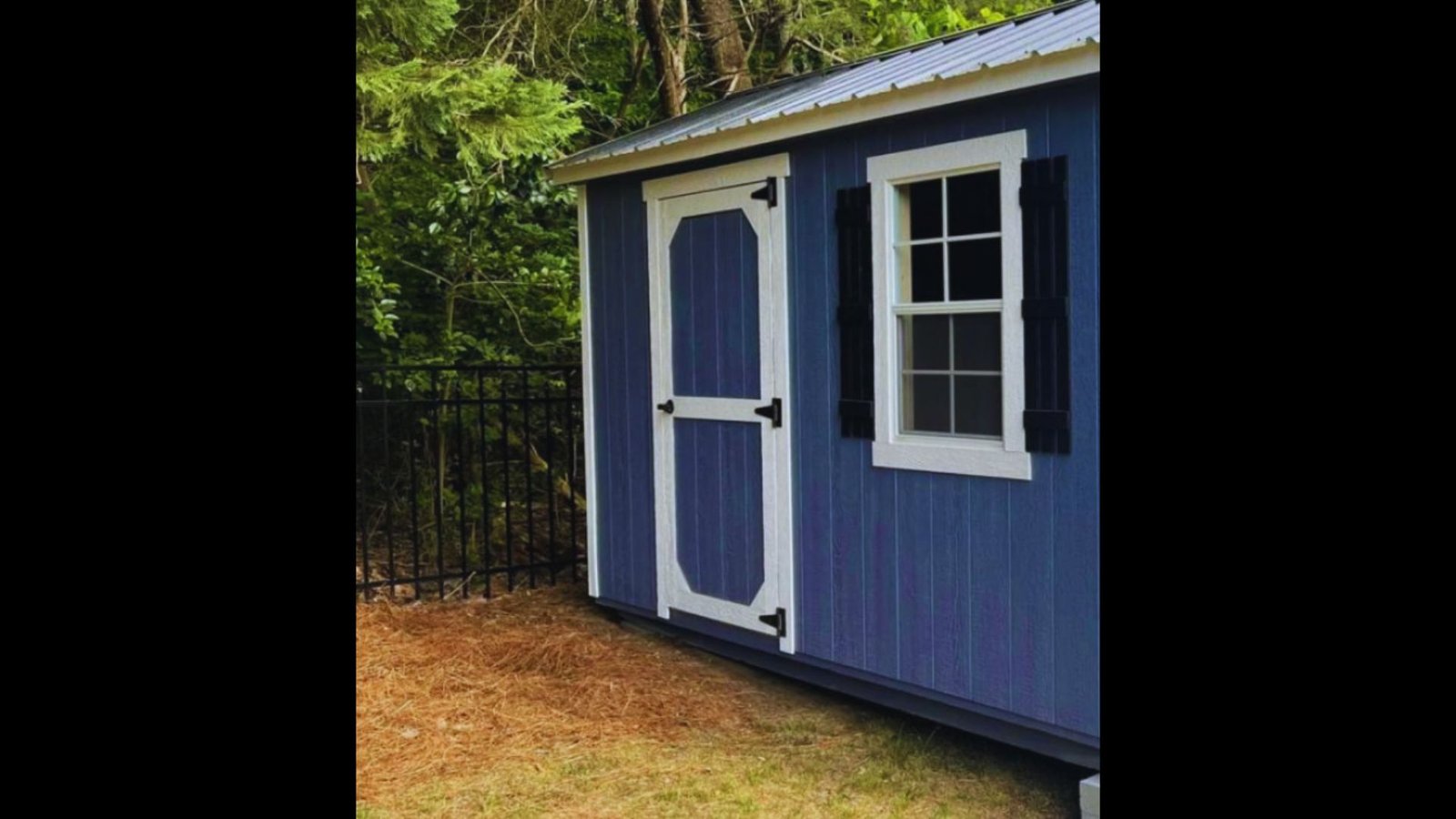
A single door works well for smaller sheds or ones that mainly store hand tools and light equipment.
It takes up less space to open and costs less than wider options, though it can make moving larger items in and out more difficult.
2.Double shed doors
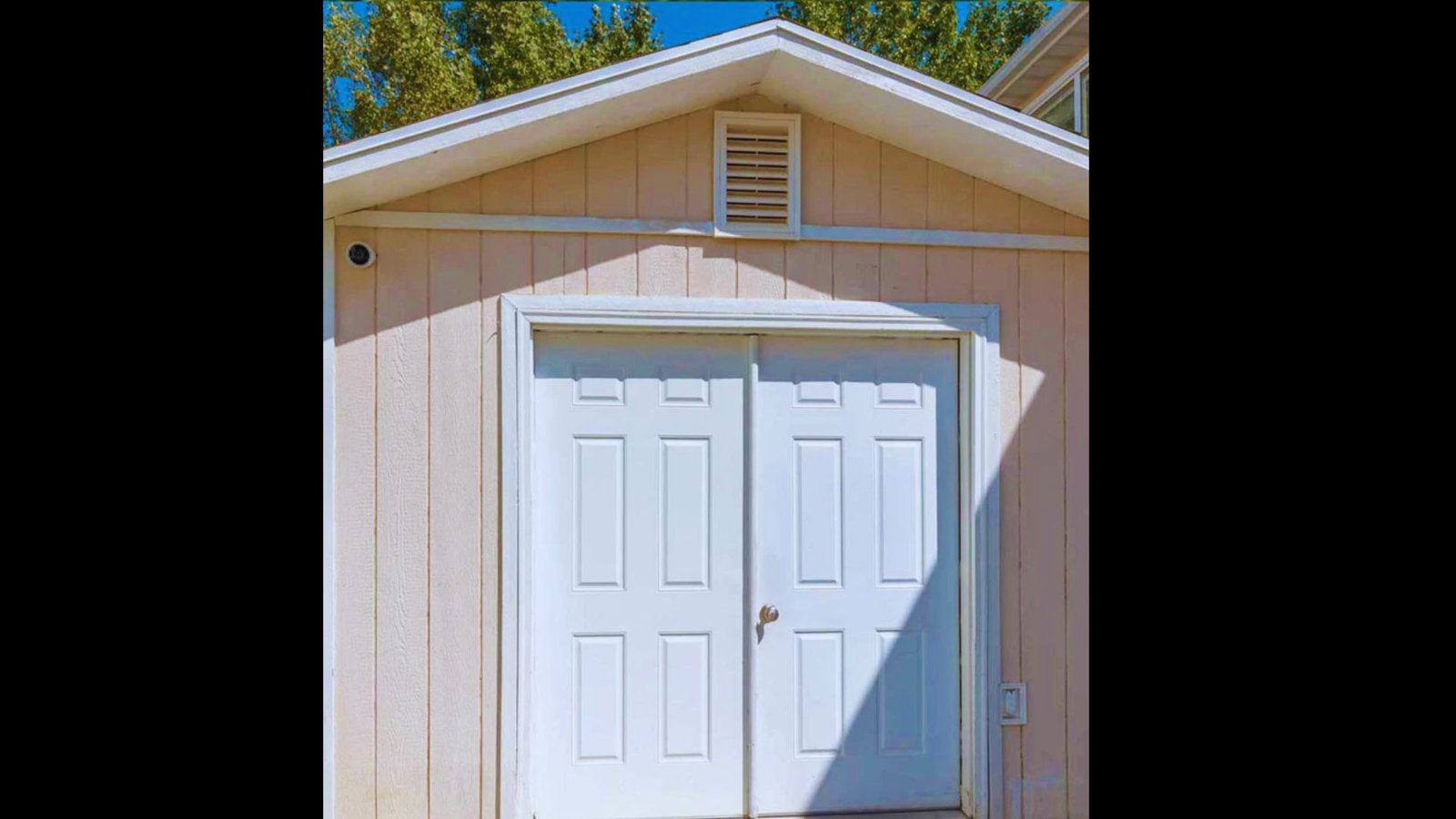
Double doors open wide enough to fit a mower, wheelbarrow, or larger equipment through with ease.
They're a common choice for medium to large sheds and add a more finished, intentional look to the front of the structure.
3. Sliding shed doors
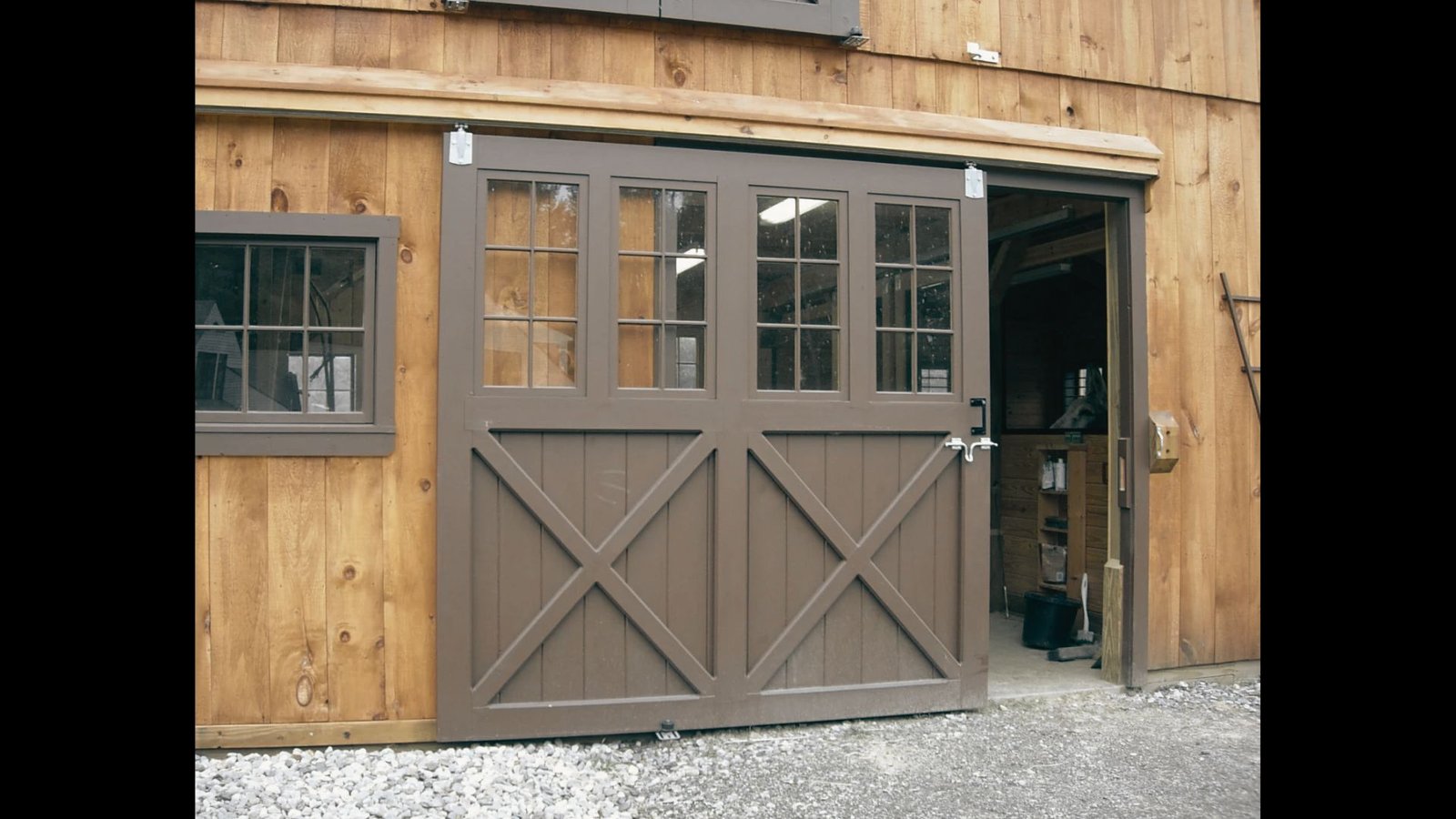
Sliding doors move along a track instead of swinging open, which saves space in front of and behind the shed.
This style works well in tight yards where a swinging door might hit a fence, path, or nearby plants.
4. Dutch shed doors
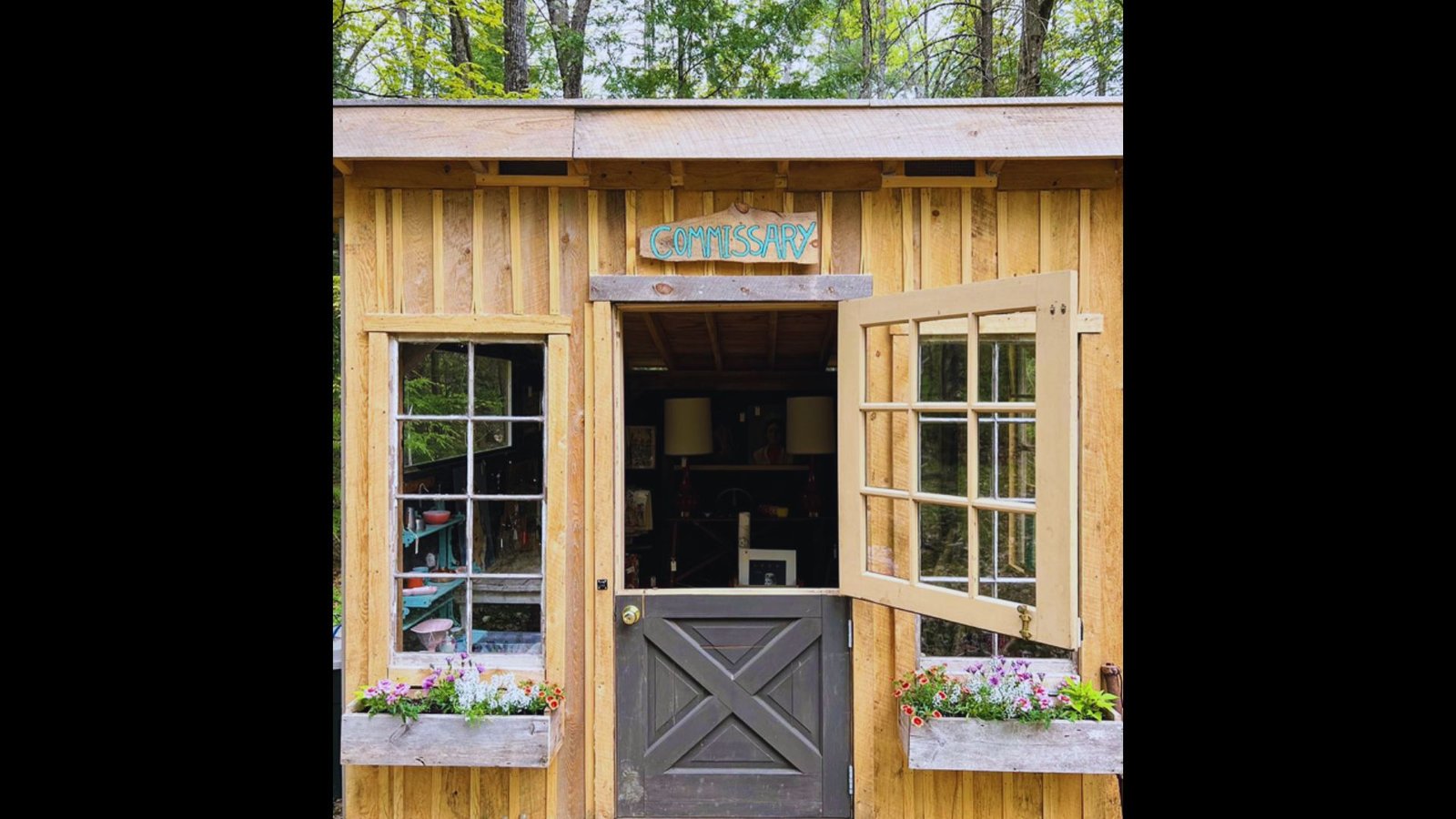
A Dutch door splits horizontally, letting you open the top half while keeping the bottom closed.
This design works well for sheds that double as a small workspace, since it lets in light and air without leaving the whole opening exposed.
5. Roller and hinged doors
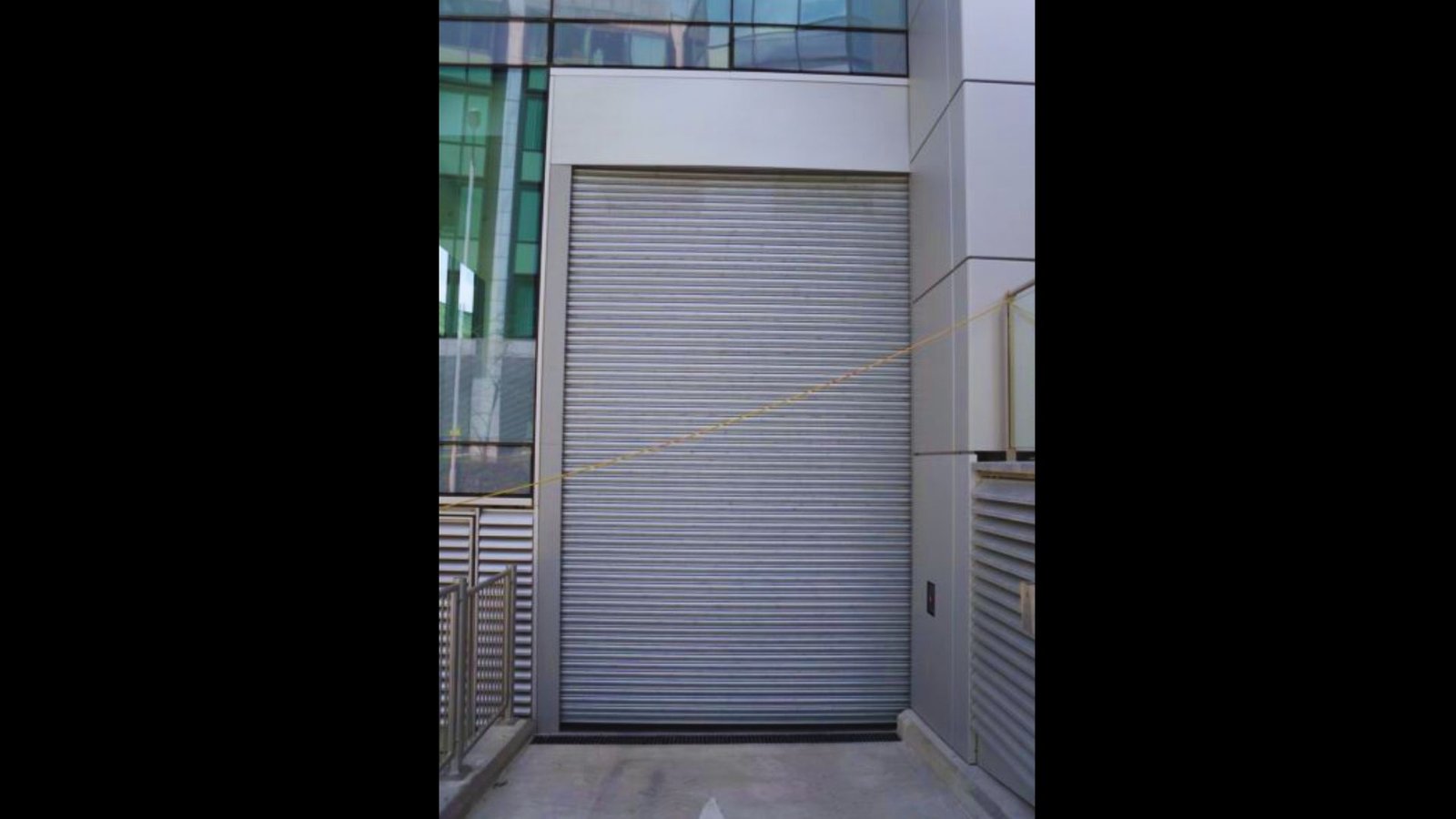
Roller doors roll up overhead using a torsion spring mechanism, similar to a small garage door, and suit sheds that need a wide, unobstructed opening.
Larger sheds with a roller door often add a smaller personal access door alongside it, so you don't need to lift the whole door just to step inside.
Hinged doors swing open on the side and remain the most common and affordable option for standard garden sheds.
Choosing the Right Shed Door Material
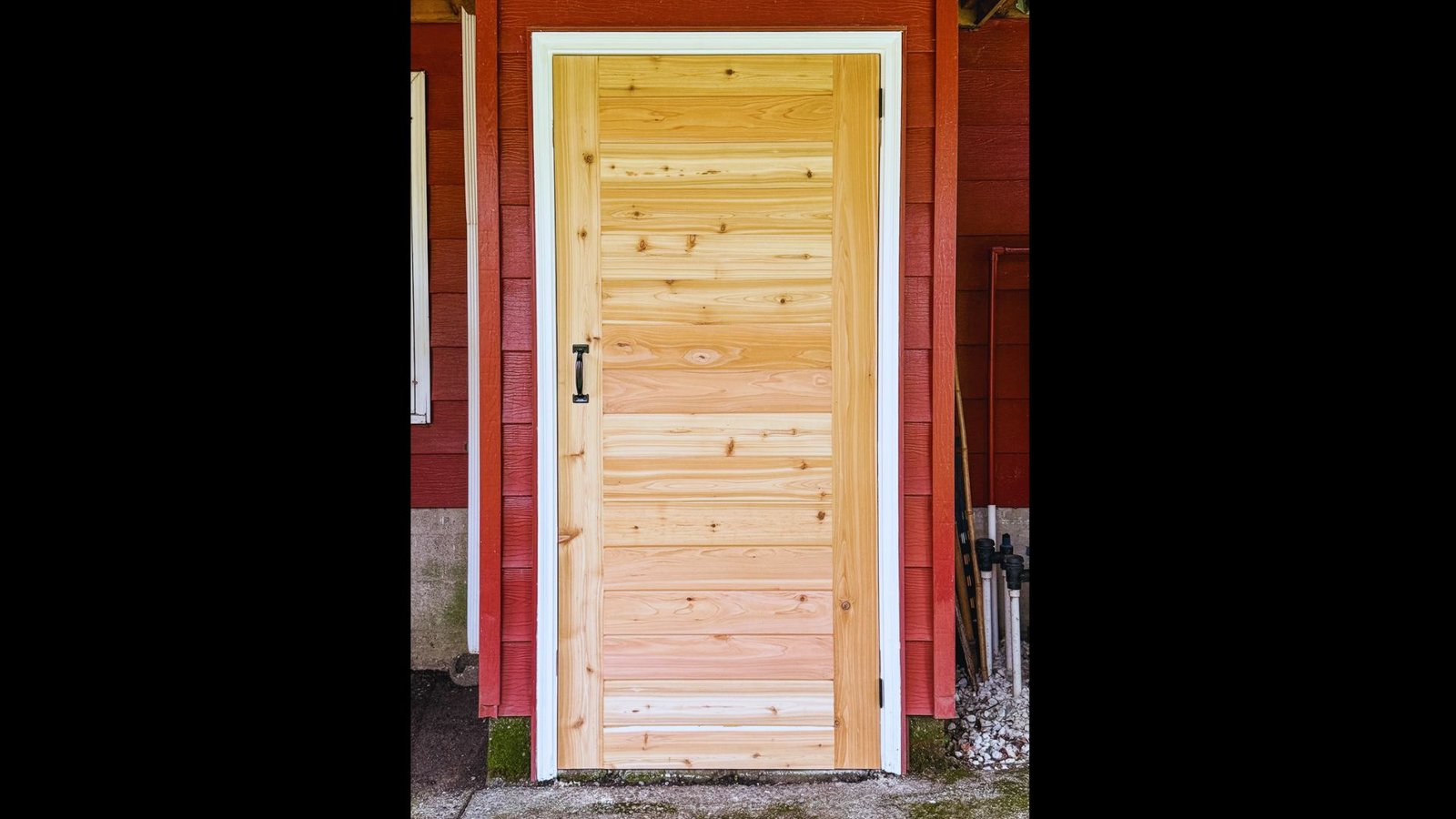
The material you choose affects how long a shed door lasts, how much maintenance it needs, and how well it stands up to changing weather.
Timber offers a natural appearance that suits most garden sheds and is easy to repaint or repair, but it needs regular sealing or staining to help prevent rot and warping, especially in damp climates.
Steel provides added security and durability, making it a good option for storing valuable equipment, and protective finishes help improve weather resistance.
Aluminum is lightweight, resists rust, and requires very little maintenance, making it a practical choice for larger sliding or double doors.
Composite and PVCresist rot, rust, and warping, making them well suited to humid or coastal areas, while many modern designs closely resemble the appearance of natural wood.
Finding the Right Shed Door Size
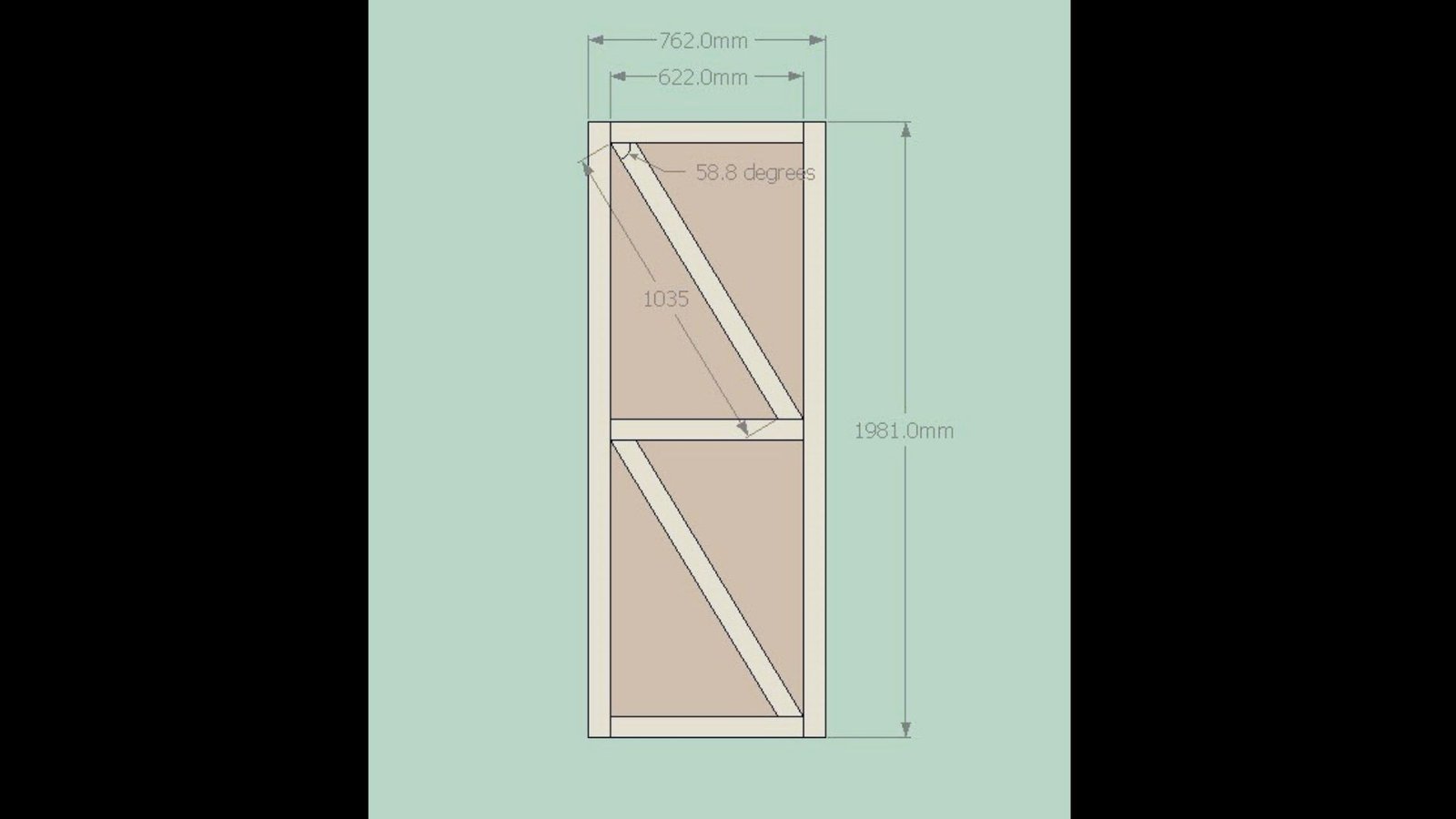
Getting the size right affects both how easy your shed is to use and how well items actually fit through the opening.
Standard shed door sizes: Most standard single shed doors measure around 24 to 36 inches wide and roughly 6 feet tall, while double doors typically span 48 to 72 inches combined.
These sizes work for most general storage needs without requiring custom fabrication.
Custom-sized doors: If you're storing wider equipment like ride-on mowers or larger power tools, a custom-sized door might be worth the extra cost.
Custom doors also help when working with an unusually shaped or older shed that doesn't match standard dimensions, though larger custom openings sometimes mean checking local council or planning rules first.
Matching door width to storage needs: Before choosing a size, measure your largest item and add a few extra inches on each side for clearance.
This simple step prevents the common mistake of installing a door that's technically wide enough but awkward to use in practice.
Shed Door Design Ideas
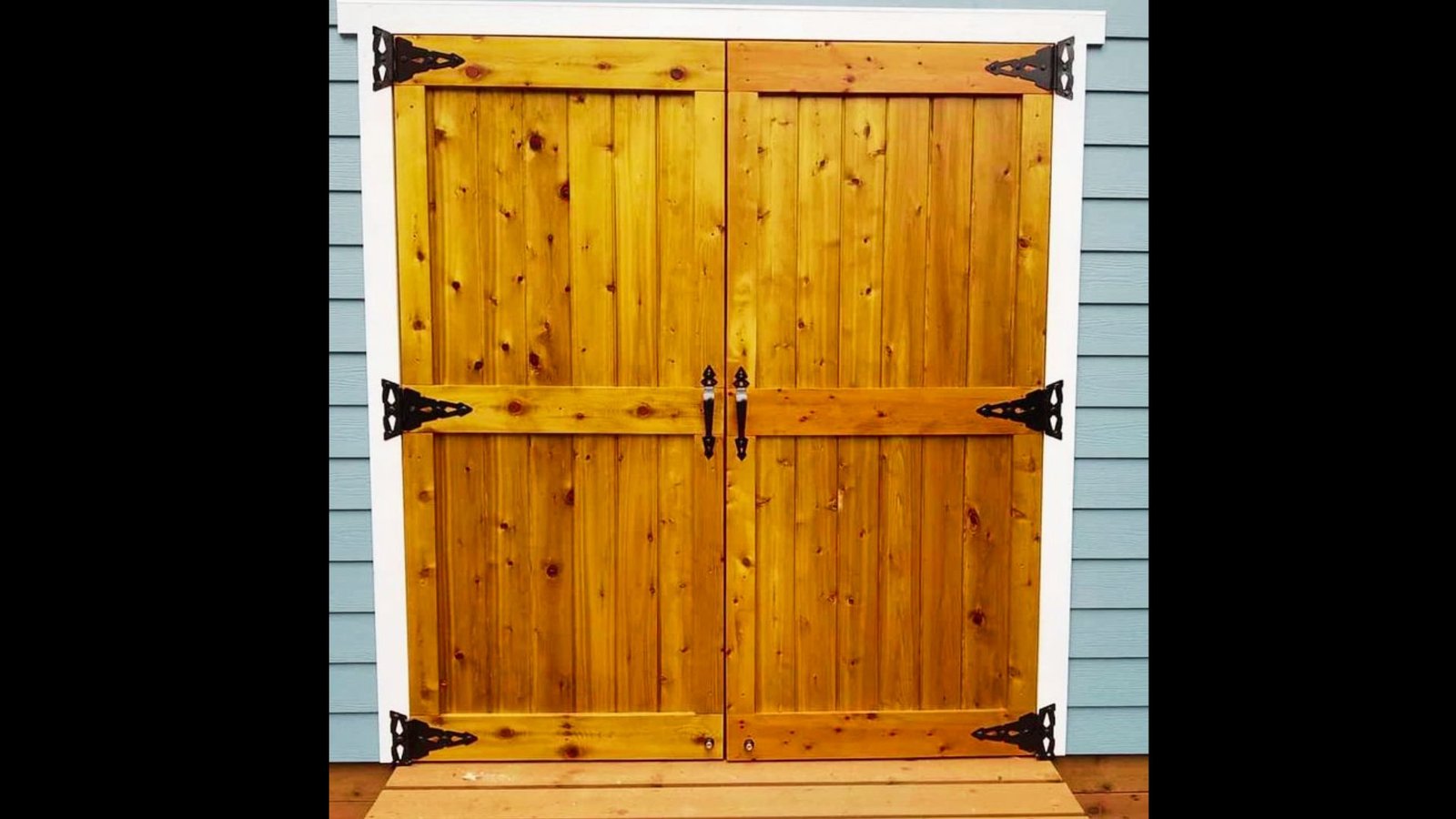
Beyond function, the design of your shed door shapes the overall appearance of the structure.
Traditional styles often use vertical timber planks with simple strap hinges for a classic garden look.
Modern designs feature clean horizontal panels, smooth surfaces, and minimal hardware that suit contemporary sheds.
Rustic and farmhouse styles highlight exposed wood grain, black metal hardware, crisscross bracing, and sometimes reclaimed wood for a weathered appearance.
Doors with windows bring natural light into the shed, making them a practical choice for workspaces or hobby rooms.
Finishing touches like decorative hinges, black iron handles, trim boards, or a bold paint color can give a simple shed door a more refined appearance without a major investment.
Practical Features to Consider
A few functional details make a real difference in how well a shed door performs over time.
Locks and security: A basic hasp and padlock works for low value storage, but a keyed deadbolt or multi-point lock offers much better protection for tools and equipment worth protecting.
Hinges and hardware: Heavy duty strap hinges hold up better than standard butt hinges, especially on larger or heavier doors that see frequent use.
Weatherproofing: Weatherstripping around the door frame keeps rain and drafts out, which matters most for timber doors prone to swelling or warping in wet conditions. In storm-prone regions, a cyclonic-rated door adds another layer of protection against extreme wind.
Ventilation: Small vents or louvers built into the door help air circulate inside the shed, reducing moisture buildup and the musty smell that comes with poor airflow.
Common Mistakes to Avoid
A few small missteps can affect how well your shed door performs long after installation.
- Choosing the wrong size for the items you actually need to move in and out.
- Ignoring weather exposure and picking a material that won't hold up in your climate.
- Using unsuitable materials, like untreated wood in a humid or coastal area.
- Overlooking security, especially for sheds storing valuable tools or equipment.
Conclusion
Picking from all the shed door ideas out there gets a lot easier once you know what actually matters: type, material, size, and a few practical features like locks and weatherproofing.
A simple timber door might be all a small garden shed needs, while a wider composite or steel door makes more sense for heavier equipment or rougher weather.
Start with function, then choose the style that fits your yard. If these shed door ideas helped narrow things down.
Share this guide with someone else planning a shed project, or leave a comment with the design you're going with.
Frequently Asked Questions
Can I paint or stain a shed door a different color than the shed itself?
Yes, a contrasting color on the door is a common way to add visual interest without repainting the entire shed structure.
Do sliding shed doors need more maintenance than hinged ones?
Sliding doors need occasional track cleaning and lubrication to prevent sticking, while hinged doors mainly just need hinge checks over time.
Is it worth adding a threshold or door sweep to a shed door?
Yes, a threshold or door sweep helps block rain, debris, and pests from entering underneath, especially on sheds without a raised foundation.
Can I add insulation to an existing shed door instead of replacing it?
Yes, foam board or weatherstripping kits can be added to most existing doors, improving temperature control without a full door replacement.