Picking between a shed and a barn can feel confusing at first, since both look like simple outdoor buildings on the surface.
A shed is a small structure built for basic storage, while a barn is a much larger building meant to house livestock, hay, and heavy equipment.
This guide breaks down the size, cost, materials, and use cases for each, so you know exactly which one fits your property.
Homeowners often start out looking for a shed and end up realizing they need a barn once they walk through their actual storage list, whether that's a tractor, extra hay, or a growing collection of yard equipment.
By the end of this guide, you'll know exactly which structure solves your storage or farming needs, with clear comparisons instead of guesswork.
What Is a Shed?
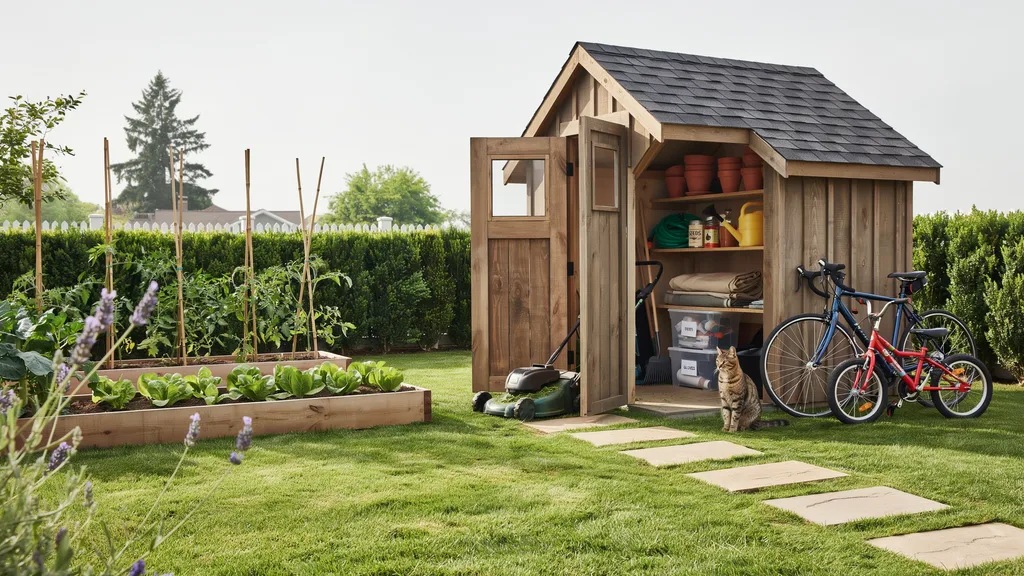
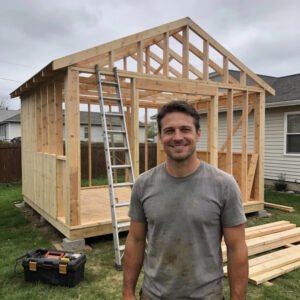
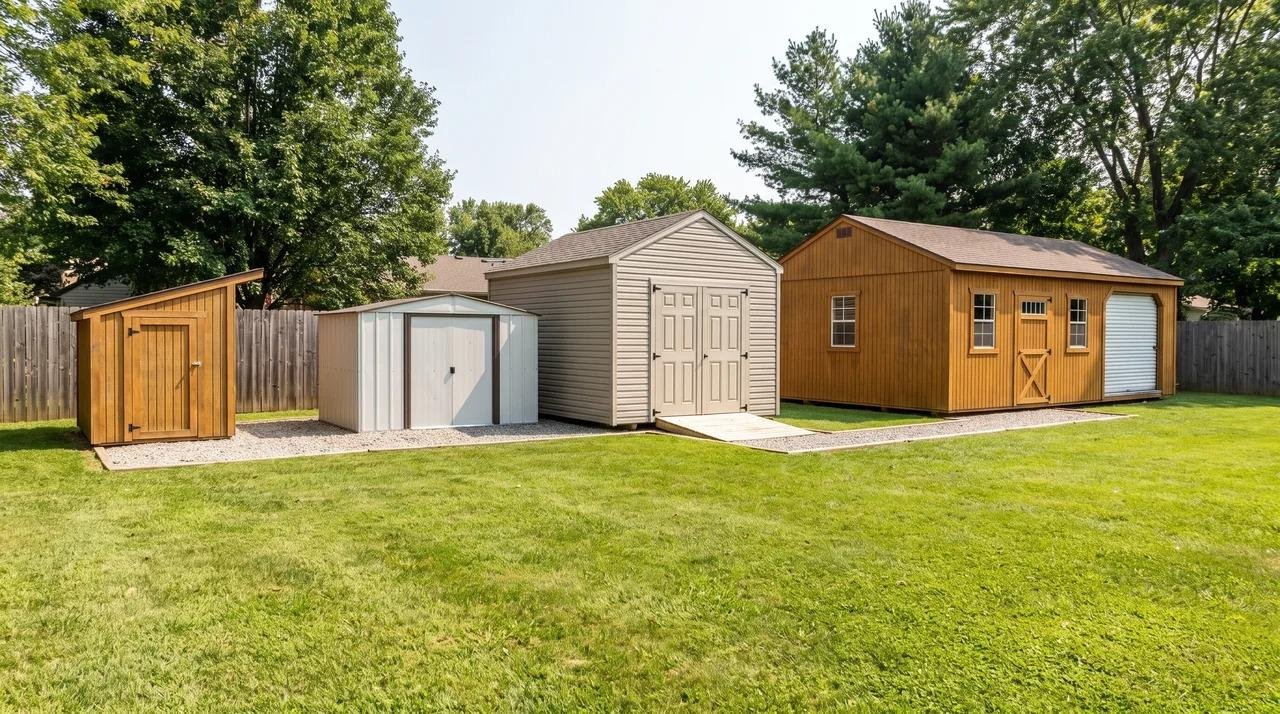
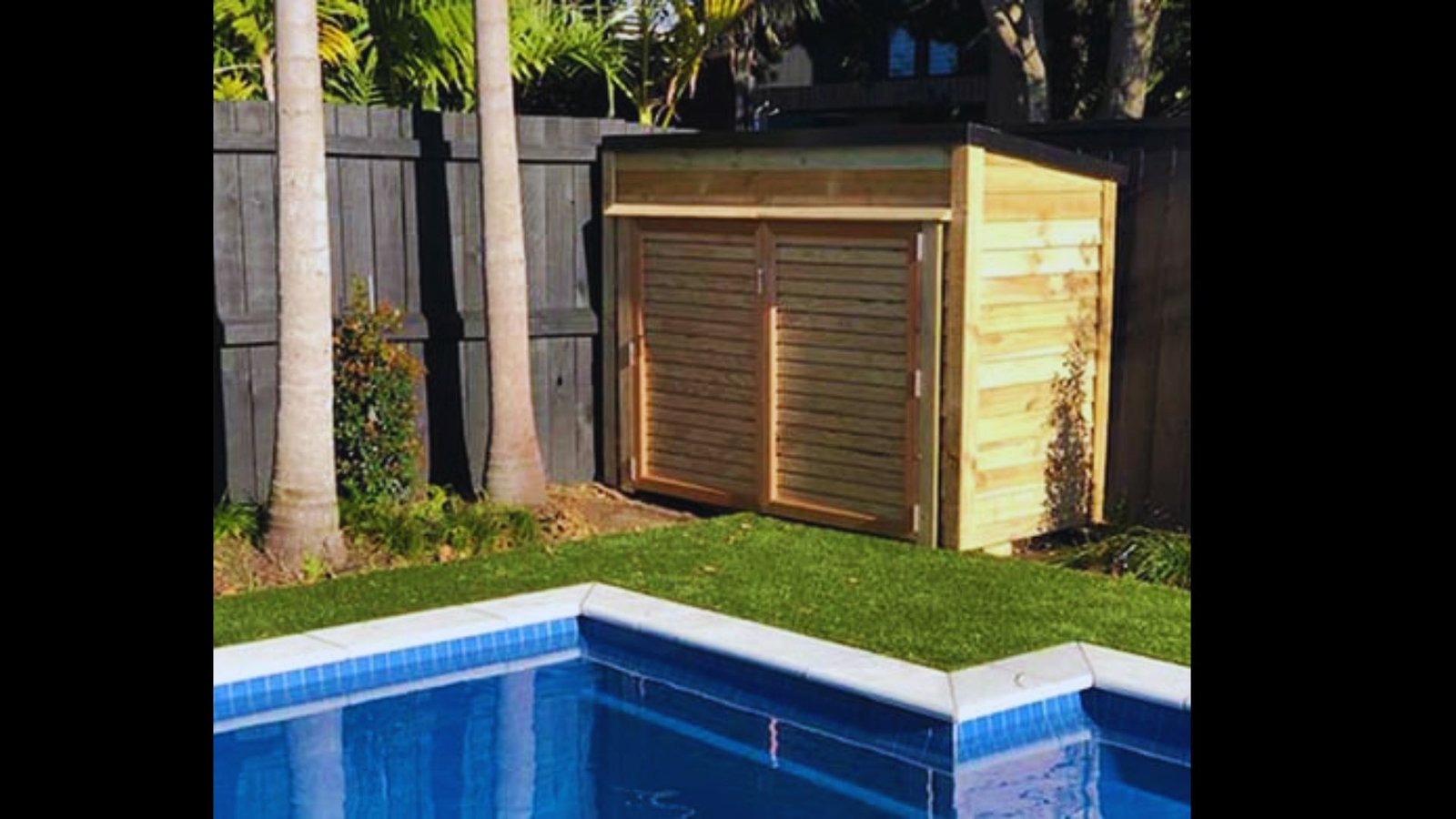
A shed is usually a small building you put in your backyard to store tools, lawn mowers, bikes, and seasonal items like holiday decorations.
Sheds are simple to build and don't need heavy-duty framing, which is why most homeowners pick one: it takes up little space and costs less money than a larger structure.
You can find sheds made from wood, metal, vinyl, or plastic, and each material trades off differently. Metal sheds cost less upfront but tend to rust within a year or two in wetter climates.
Vinyl sheds hold up better and can last twenty-five to thirty years, though they offer less security for pricier items.
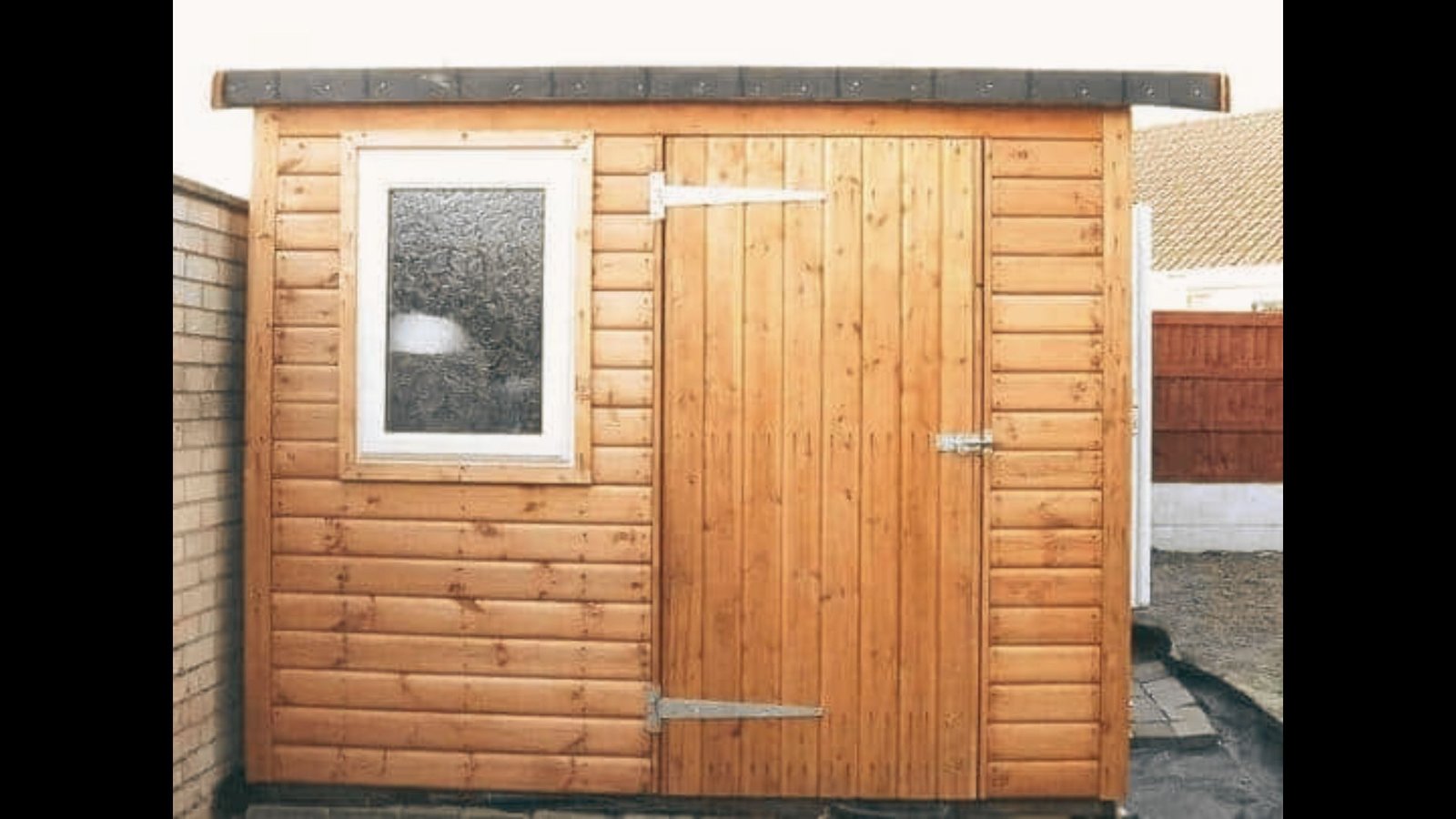
Wood sheds give you strong insulation and a solid feel, but they need regular upkeep and come in shapes like gable roofs and lean-to designs.
A shed works well if you just need a spot to keep your yard gear organized and out of the weather, and plenty of people also turn theirs into a small workshop or hobby space.
Some people call a small, barn-style building a "mini barn," though functionally it still works a lot like a shed for holding tools and yard equipment.
What Is a Barn?
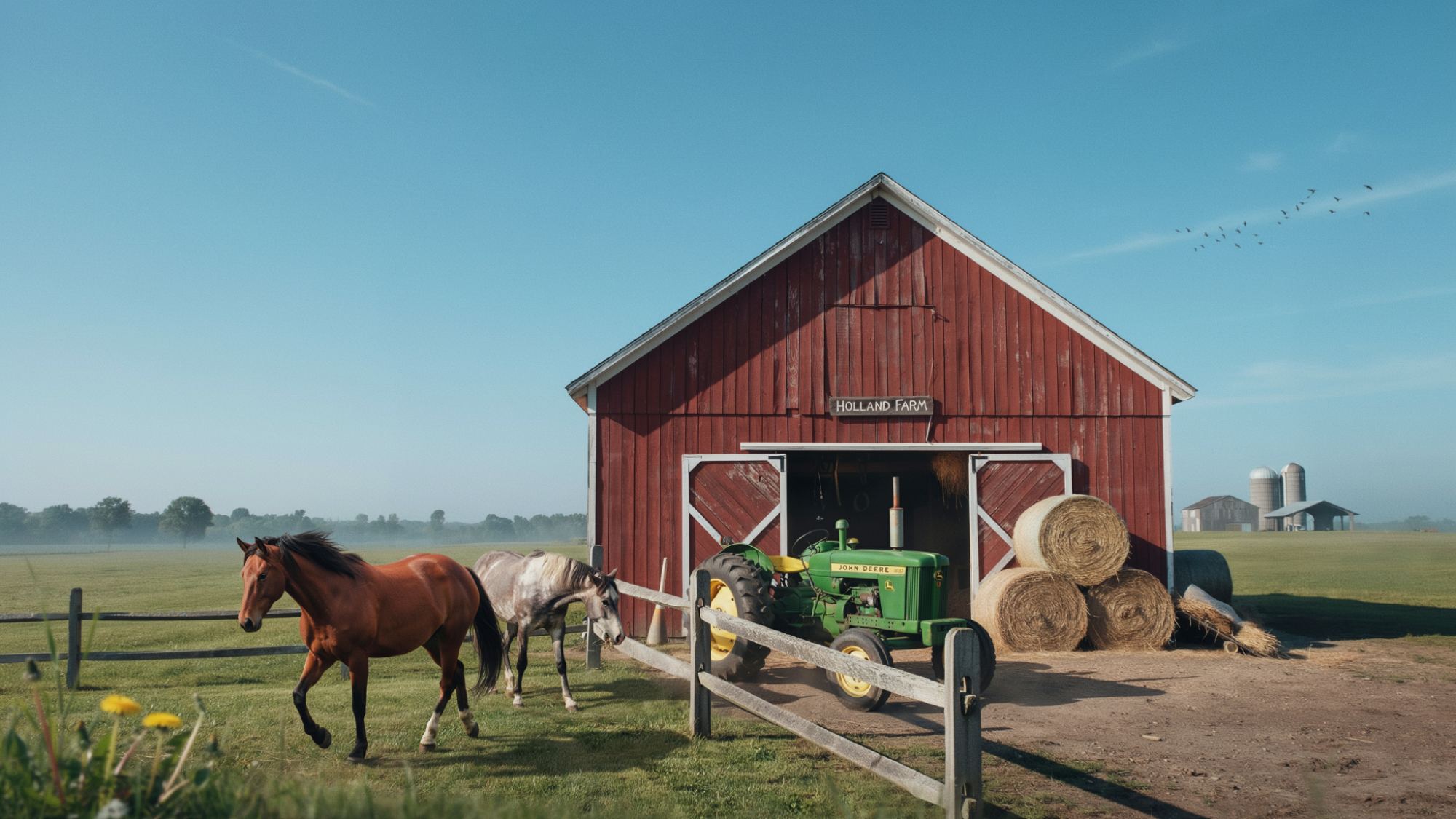
A barn is a large structure built for farm use and heavy storage needs.
A barn is a much bigger building, and it does a lot more work than a shed. Farms and ranches use barns to house animals like horses, cows, and chickens.
Barns also store hay, feed, tractors, and other heavy farm equipment. Because barns carry more weight and space needs, they use stronger framing, deeper footings, and taller walls.
Most barns are built from wood, timber, or metal, and many have tall roof peaks like gambrel or monitor styles.
That gambrel shape also opens up loft storage space up top, which comes in handy for extra hay or gear.
If you own livestock or need to store large machinery, a barn is the better choice over a shed. Good ventilation matters a lot here too, since animals need fresh air moving through the space.
Barns are not just for farms anymore either. Plenty of owners now convert old barns into event spaces, home offices, or even full living areas, since the tall open frame gives you room to work with.
Shed vs Barn: Key Differences Explained
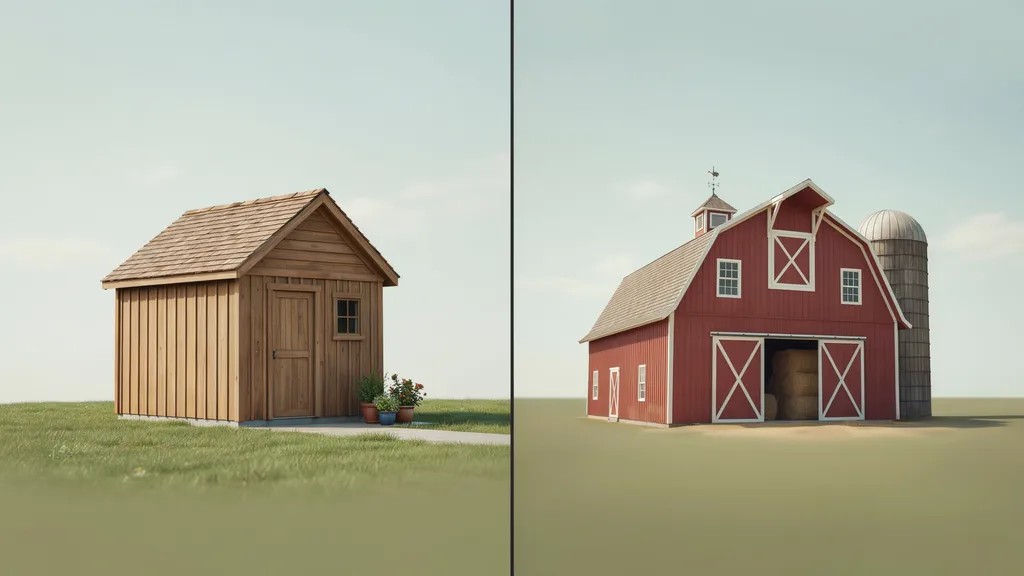
Here is a quick side by side look at how sheds and barns compare.
| Feature | Shed | Barn |
| Primary Purpose | Store tools, lawn equipment, and seasonal items | House livestock and store hay, machinery, and supplies |
| Typical Size | Usually 8×10 to 12×20 ft | Usually 12×24 ft and up, some reach several thousand square feet |
| Height | Standard wall and roof height | Taller walls with higher roof peaks |
| Loft Storage | Rare, limited space | Yes, thanks to the gambrel or monitor roof |
| Storage Capacity | Small to medium storage | Large storage and equipment |
| Construction | Simpler and lighter construction | Heavy duty framing and stronger foundation |
| Common Materials | Wood, metal, vinyl, plastic | Mostly wood, timber, or metal |
| Roof Style | Gable, lean to, or flat | Gambrel or monitor, built for load and loft space |
| Best For | Residential backyards | Farms, ranches, and large properties |
| Cost | Lower upfront cost | Higher initial investment, though cost per square foot can be close |
What Is a Barn-Style Shed?
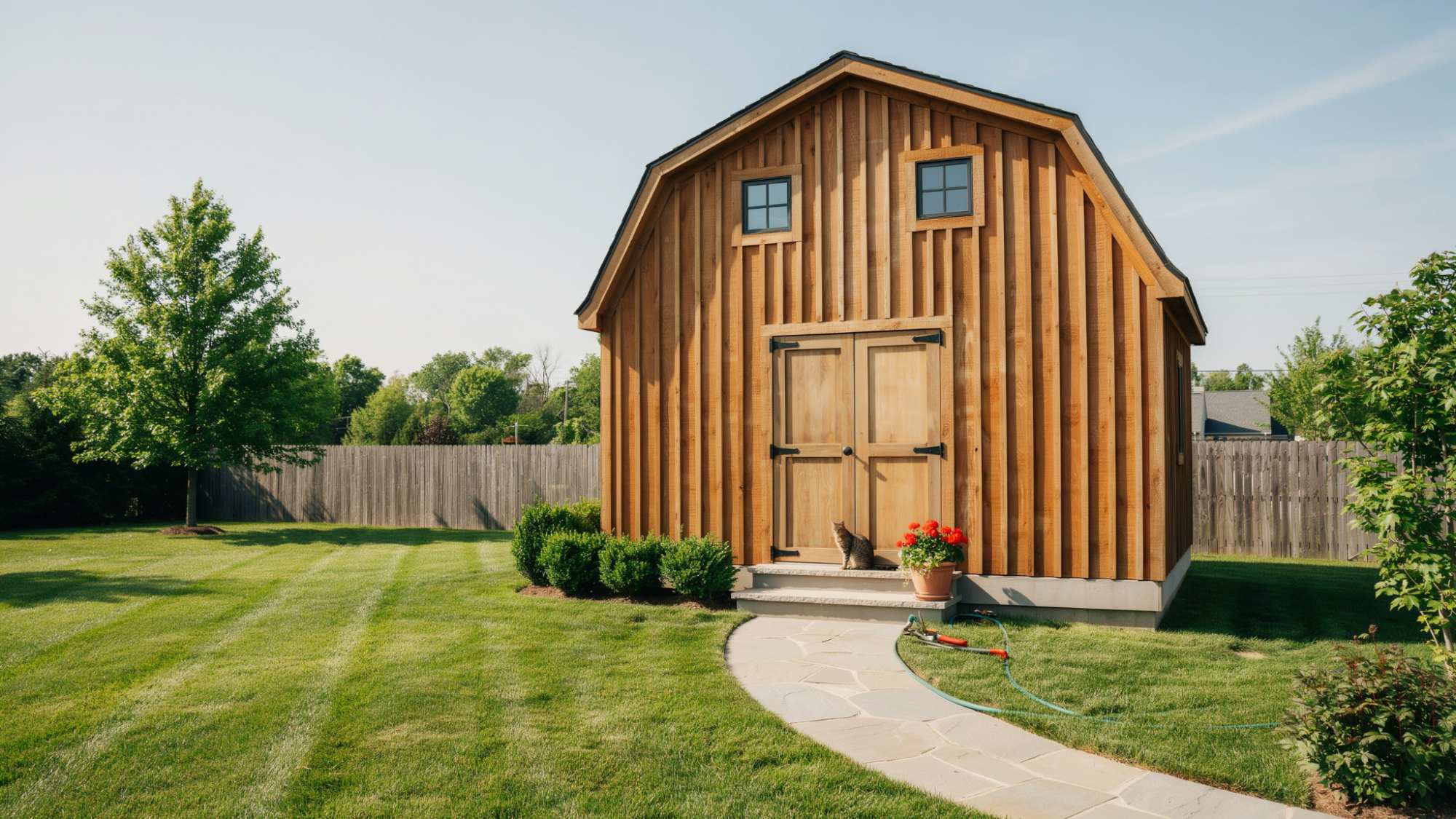
A barn style shed blends the size of a shed with the classic look of a barn.
What Makes It Different?
A barn style shed looks like a small barn but works like a regular shed. It usually has a gambrel roof, which gives it more headroom and space inside.
This design lets you store more items without needing a full size barn. It still sits on a smaller footprint, so it works well in most backyards.
Benefits of a Barn-Style Shed
The gambrel roof gives you extra room up top, almost like a small attic. This means you can store more without adding to your ground footprint.
Many people also like the classic farm look it brings to their yard. It offers a nice middle ground between a plain shed and a full sized barn.
It still works fine as a hobby space or small workshop if you want one.
Who Should Choose One?
This option works best for homeowners who need more storage than a basic shed offers. If you have larger tools, extra furniture, or seasonal gear piling up, this style gives you room to grow.
It also suits people who like the traditional barn look but do not have farm needs. A barn style shed is a smart pick for extra space without going too big.
How to Choose Between a Shed and a Barn
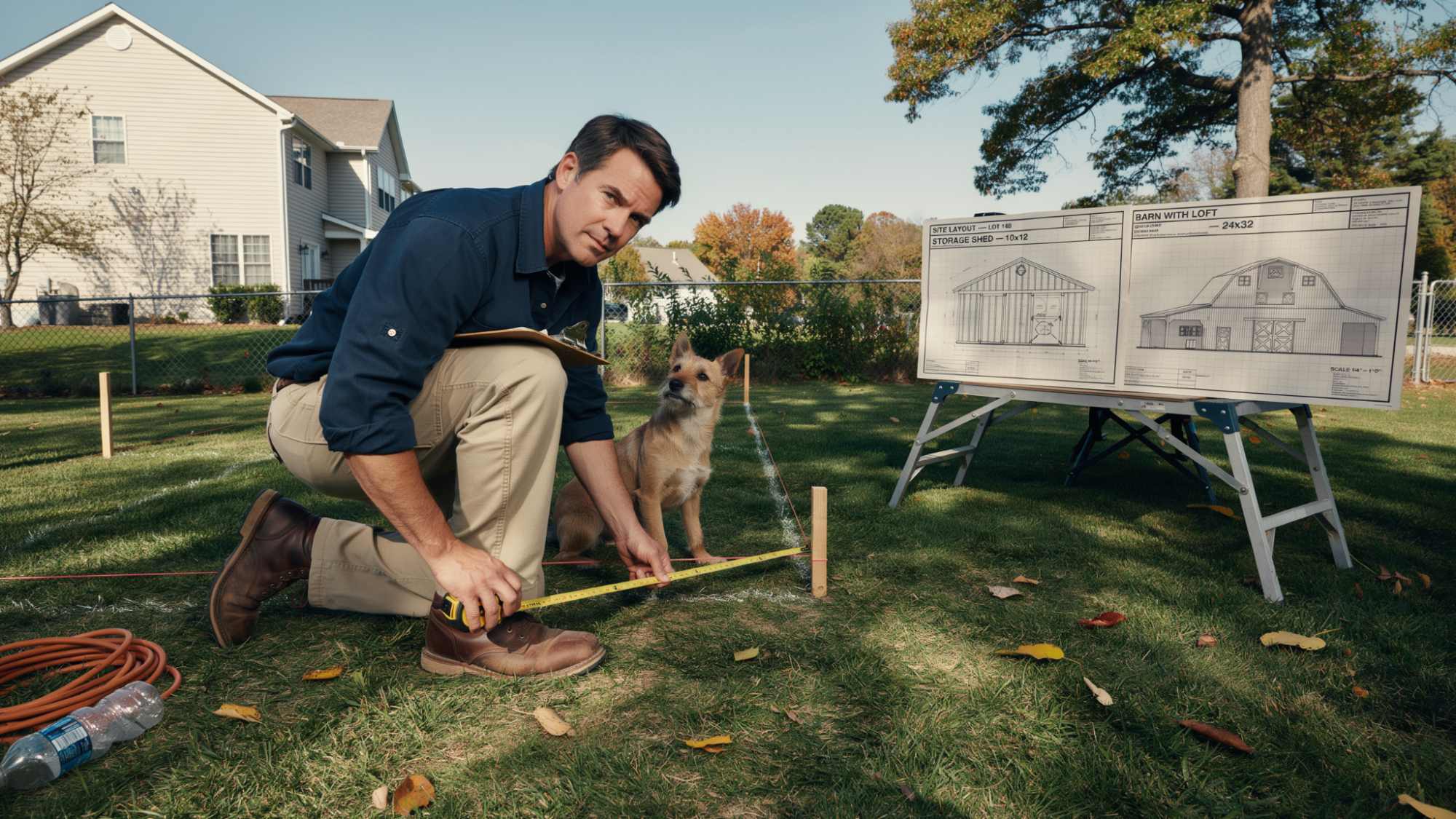
The right pick depends on your goals, space, and budget.
Consider Your Storage Needs
Think about what you actually plan to store. Small tools and lawn gear only need a shed. Animals, hay, or big machinery like tractors call for a barn.
Be honest about your current and near future storage needs before you decide.
Evaluate Your Property Size
Your lot size plays a big role in this choice. A small backyard cannot fit a large barn comfortably. Measure your available space first.
This helps you avoid picking a structure that overwhelms your property.
Set Your Budget
Sheds cost much less to build than barns. Barns need stronger materials, deeper foundations, and more labor, so the price goes up fast.
Looking at cost per square foot instead of just the total price can help you compare more fairly. Set your budget early so you do not end up stuck halfway through a project.
Plan for Future Growth
Look past today and consider what you might need in a few years. If you plan to add animals or bigger equipment later, a barn or barn style shed may save you money down the road.
Planning ahead avoids a second build later.
Pros and Cons of a Shed and Barn
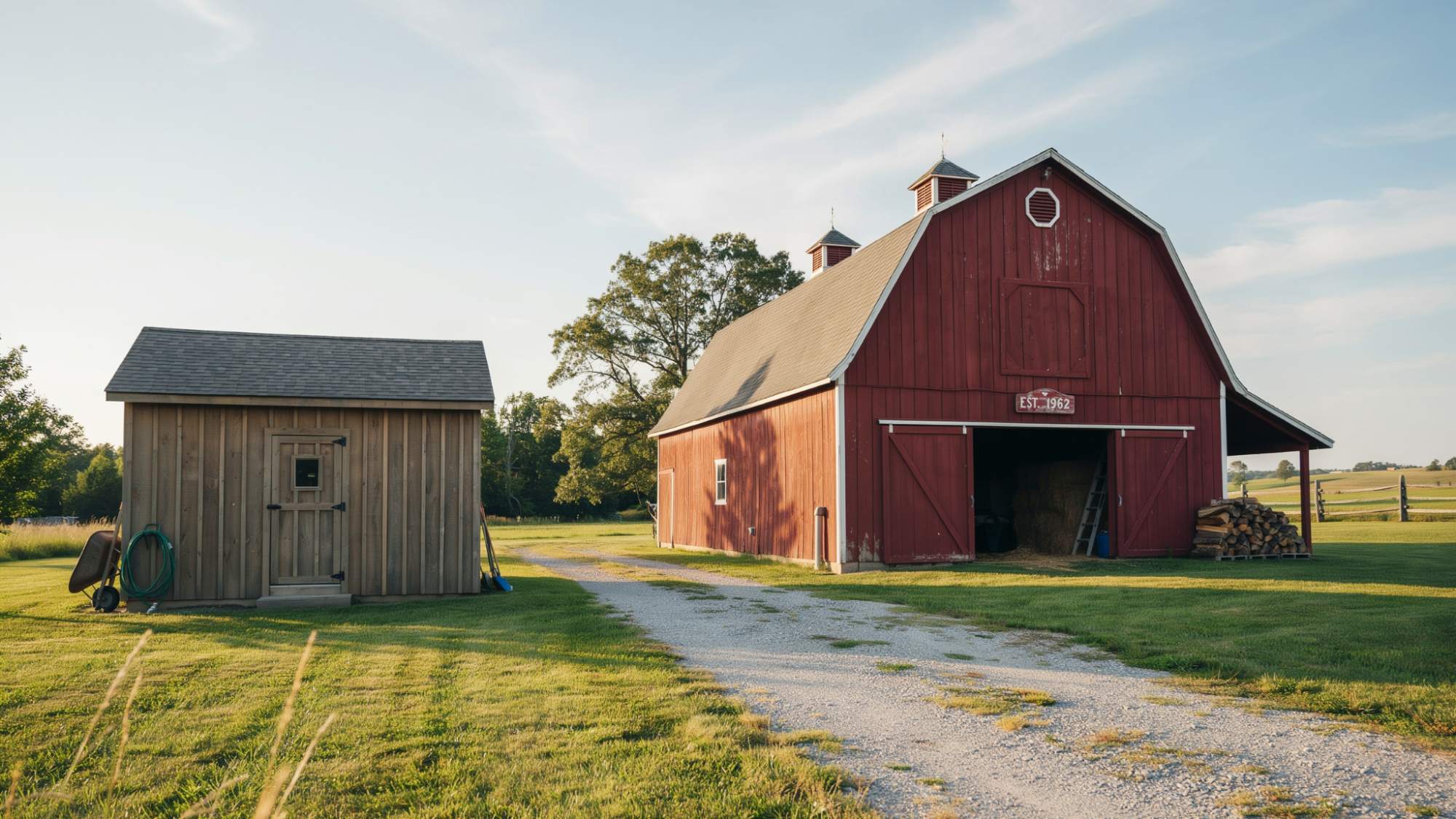
Pros
- Sheds are cheaper and quicker to build
- Barns offer much more storage and loft space
- Both options come in many material choices
- Sheds fit easily into small backyards
- Barns support farm animals and heavy machinery
Cons
- Barns cost more upfront and take longer to build
- Sheds cannot handle livestock or heavy equipment
- Barns need more land, stronger foundations, and stricter permits
- Sheds may run out of space as your needs grow
- Both require upkeep depending on the material used
Getting It Right From the Start
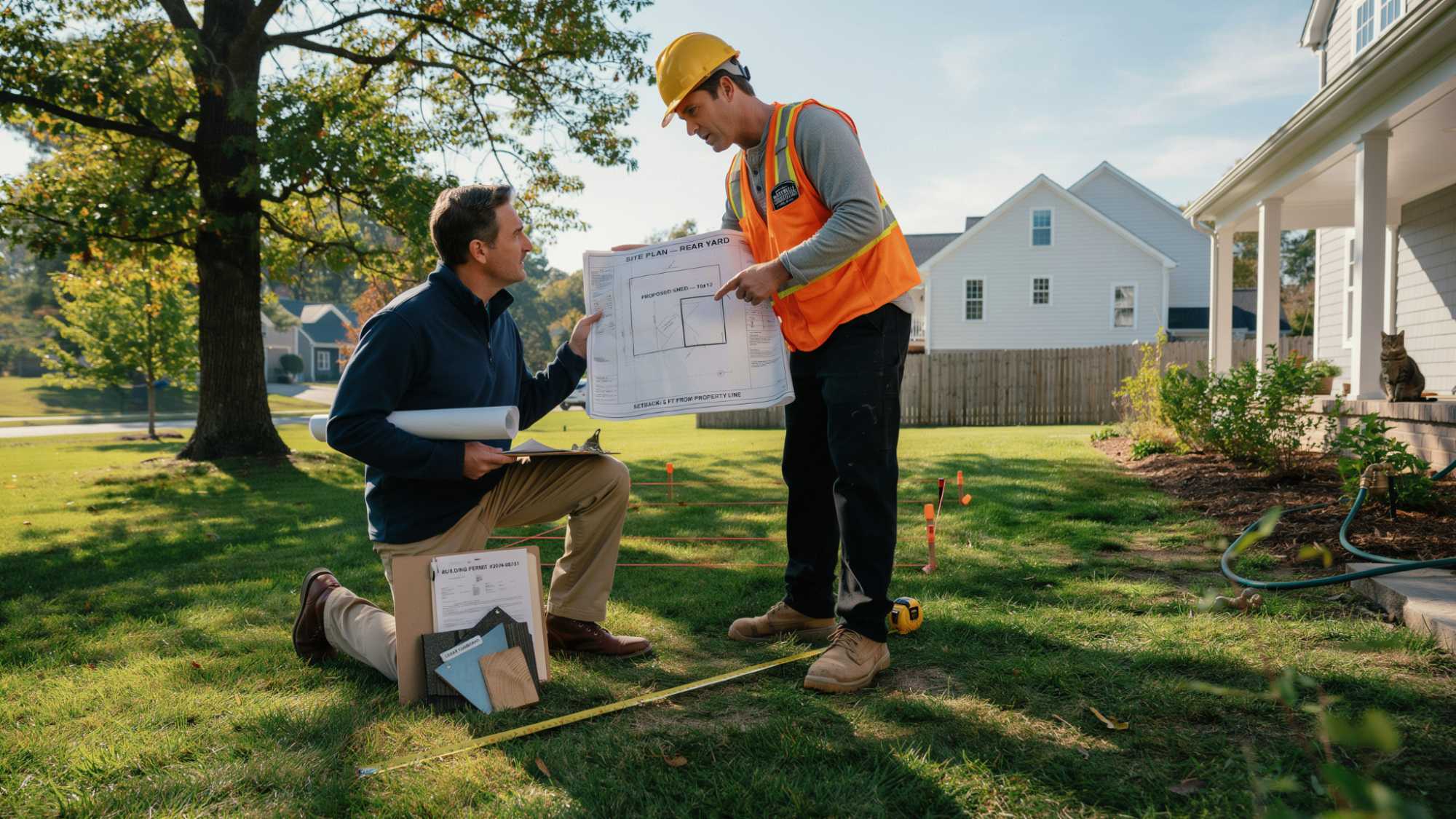
A little planning up front saves you from costly fixes later. Once you know your space, budget, and material needs, it gets much easier to avoid the slip ups that trip up most first time builders.
Keep the tips below in mind, then check the mistakes that follow so you know what to steer clear of from day one.
Tips for Choosing the Right Outdoor Building
A few smart checks up front can save you a lot of headaches later.
- Measure your available space first so you know exactly what size will fit
- Choose durable materials that hold up in your local climate and weather
- Think beyond your current storage needs and leave room to grow
- Match the building style to the look of your home and yard
- Check local zoning rules and permit requirements before you start
Conclusion
Choosing between a shed and a barn really comes down to your space, budget, and what you plan to store.
A shed covers basic yard storage at a low cost, while a barn handles livestock and heavy equipment at a much larger investment, and a barn-style shed splits the difference for anyone who needs more room without going full-scale.
Whatever you pick, make sure it fits your needs today and leaves room for how your property might grow.
Frequently Asked Questions
Is a barn more expensive than a shed?
Yes, barns cost more because of their size and stronger framing. Sheds are cheaper since they use less material and labor, though barns can look more comparable when you check cost per square foot.
Can I convert a shed into a barn?
Not easily. Barns need stronger foundations and framing built from the start, so a shed cannot simply be upgraded into one.
Do I need a permit to build a shed?
It depends on your local zoning rules and the size of your shed. Many areas require a permit for structures over a certain square footage.
What is the best material for a shed?
Wood and metal are both popular choices. Wood gives a classic look and good insulation, while metal holds up better in wet or snowy climates but tends to rust over time.
How long does a barn usually last?
A well built barn with proper upkeep can last several decades. Regular maintenance on the roof, foundation, and ventilation systems helps extend its life.